
Why sometimes Water freezes instantly with just a shake?
The basic idea is this: when water freezes it forms ice, which is a nice regular crystalline structure. However, ice-crystals need a nucleation site, which is a point where the crystal can start to form, before they can actually start to form. In normal situations, water usually has some impurities which can serve as such nucleation sites, around which the crystal starts to grow and ice starts to form.
However, if you use very pure water, there are no such "natural" nucleation points and so there is a chance that the water molecules want to form ice, but can't quite get around to it. As a result, the liquids are trapped in a "metastable" state well below their freezing point, but such a state has a precarious stability that can easily be disturbed. Shaking the bottle is one way to disturb this stability, as it gives a couple of the water molecules the chance to align in just to right way to start the crystallisation process, and once it's done, it is energetically favourable for the system to form ice, so all the other water molecules hop on as well. As a result, you would usually see the crystal "growing" in one direction until all the water becomes ice.
👍86🔥16❤13🤩10👏5
How Do Antiperspirants Work?
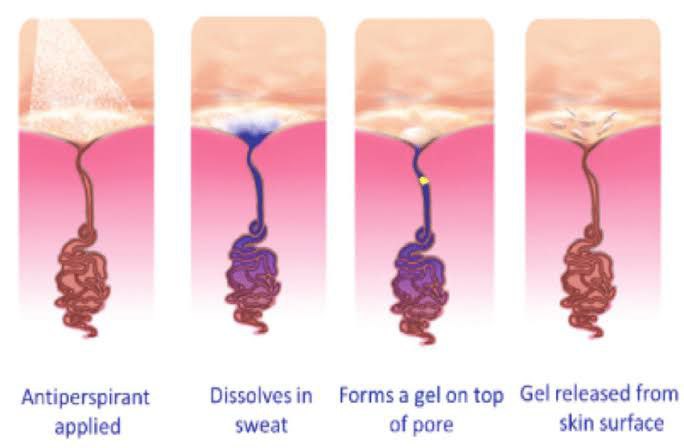
Antiperspirants are actually a subgroup of deodorants. While deodorants do not impact one’s perspiratory process, antiperspirants actively prevent sweat glands from releasing sweat, in addition to counteracting body odor with their own fragrance. Commercial antiperspirants mostly consist of compounds like aluminium chlorohydrate and aluminum-zirconium tetrachlorohydrex gly as their active ingredients.
These aluminum-based compounds react with the sweat directly; more specifically, they affect the electrolytes present in the sweat to form a gel plug in the duct of the sweat gland. This stops the glands from secreting sweat over the ‘target’ area. These gel plugs are removed naturally over a period of time through skin peeling.
In a nutshell, antiperspirants basically prevent sweat glands from releasing any sweat, which automatically takes care of the smelly underarm problem. Additionally, they contain some sweet-smelling constituents that give a fragrant boost to the body.
👍76❤10🔥5👏5🤩5
Why there is no wind on Equator?
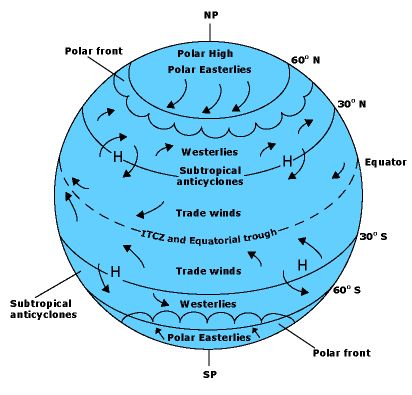
There can be periods of no wind. It’s called the doldrums or Inter-Tropical Convergence Zone.
“The doldrums is a colloquial expression derived from historical maritime usage, which refers to those parts of the Atlantic Ocean and the Pacific Ocean affected by a low-pressure area around the equator where the prevailing winds are calm. The doldrums are also noted for calm periods when the winds disappear altogether, trapping sailing ships for periods of days or weeks.”
What happens is that, at the equator, the hot air rises straight up. “Because the air circulates in an upward direction, there is often little surface wind in the ITCZ. That is why sailors well know that the area can becalm sailing ships for weeks. And that’s why they call it the doldrums.”
👍72👏10🔥7❤6😱6
What happens if Aircraft Engines fail in Mid-Air?
Engine failure results in the loss of thrust, which is required for aircraft to maintain altitude or climb further. However, engine failure does not necessarily culminate into the complete loss of aircraft control. Aggressive use of flight controls, namely rudders and ailerons, can steer the flight to safety.
Aircraft compensate for a loss of thrust by losing altitude. They have a thrust-to-drag ratio of 10:1, which means they can fly 10 miles forward for every 1 mile lost in altitude. Cruising altitudes of 35,000 ft (~6 miles) give aircraft a distance of 60 miles to find a suitable place to conduct an emergency landing. Engine failure is easier to deal with at higher altitudes than at lower altitudes, such as when taking off.
Pilots faced with engine failure must conduct forced landings on the most favorable surface available to them. Here’s an interesting catch, this surface need not only be land. Airplanes can be ditched, i.e., landed on water or ice, without compromising passenger safety.
Similar to crumple zones in cars, aircraft have expendable parts in their structure to dissipate the force of landing in inclement terrain. These include the wings, landing gear, and even the bottom part of the fuselage.

👍112❤15🔥10👏8😱8🤩1
Why do you get Boogers in your Eyes?
The scientific name for eye boogers is rheum.
Rheum is made up of mucus, skin cells, oils and dust. The rheum that comes from the eyes and forms eye boogers is called gound, which you may know as eye sand, eye gunk, sleep dust, sleep sand, sleep in your eyes. When you're awake, gound doesn't cause any problems.
Your eyes produce mucus throughout the day, but a continuous thin film of tears bathes your eyes when you blink, flushing out the rheum before it hardens in your eyes.
When you're asleep and not blinking, eye discharge collects and crusts in the corners of your eyes and sometimes along the lash line, hence the term "sleep in your eyes."
Eye discharge is a common symptom of conjunctivitis.
In addition to conjunctivitis, there are many eye infections that cause abnormal eye discharge. These include: eye herpes (a recurrent viral eye infection), fungal keratitis (a rare but serious inflammation of the cornea) and Acanthamoeba keratitis (a potentially blinding parasitic infection typically caused by poor contact lens hygiene or swimming while wearing contacts).

👍117❤16👏16😱7🔥4🤩1
What is an Earthquake and what causes them to happen?
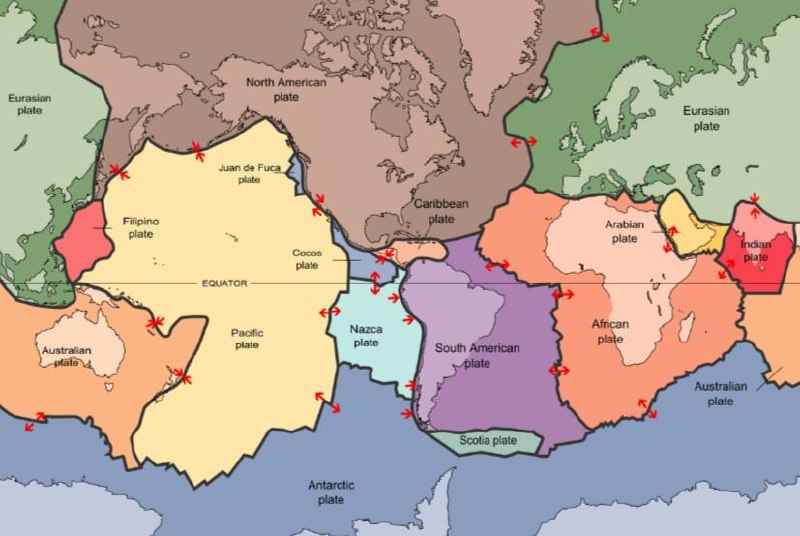
Earthquakes are caused by the movement of tectonic plates. The Earth's crust is made up of several large plates that float on the molten rock of the mantle. When two plates grind against each other, tremendous pressure can build up. Eventually, that pressure is released in the form of an earthquake. The point where the plates meet is called a fault line, and the movement of the plates along the fault line is what causes the ground to shake during an earthquake.
In addition to plate tectonics, earthquakes can also be caused by human activity such as the injection of fluids into the ground, the extraction of oil and gas, or the building of large dams. These activities can change the stress and pressure on the Earth's crust, leading to the movement of faults and the generation of earthquakes.
Another type of earthquake is volcano-tectonic earthquake. Those are caused by the movement of magma, fluids and gases in the subsurface of a volcano. They are typically associated with volcanic activity and can be a precursor to an eruption.
Earthquakes can also be caused by underground nuclear explosions, or even meteorite impacts. However, these types of earthquakes are extremely rare.
In summary, the main cause of earthquakes is the movement of tectonic plates, but other causes include human activity, volcanic activity, nuclear explosions, and meteorite impacts.
👍105❤23👏10😱7🤩2🔥1
How are Seedless fruits produced?
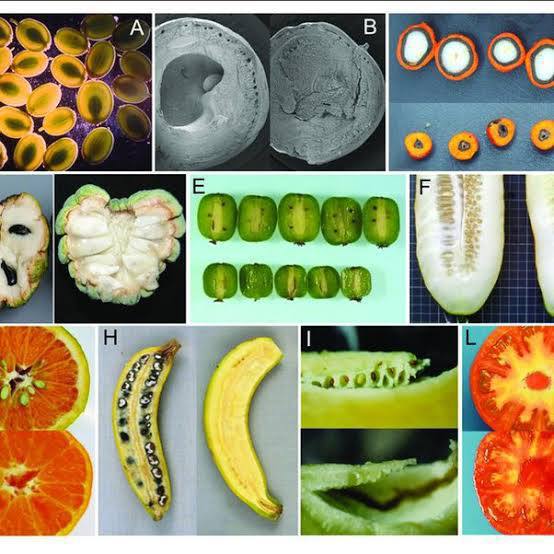
Normally, a fruit forms after pollination of a flowering plant when the female ovary is fertilized by male pollen. Fertilization causes seed development. The fruit is actually the ovary that swells around the seed. Natural genetic mutations may cause fruit to develop in some plants without fertilization and therefore without producing seeds. This characteristic, development of fruit without fertilization, is called parthenocarpy.
Today’s seedless fruits and vegetables started with this natural mutation, followed by human recognition that seedlessness was an attractive trait. Then humans found ways to propogate that plant to preserve that characteristic.
Seedlessness has several attractive features. Seedless oranges, grapes and watermelons are less messy and more enjoyable to eat. Eliminating cucumber seeds eases digestion issues for many people. And seedlessness lengthens shelf life since seeds tend to encourage the fruits’ deterioration to hasten their dispersal into the world.
There are several mechanisms depending on the type of fruit. Pineapple, for example, always forms fruit but only forms seeds if pollinated. More interesting are plants like watermelon and banana that are sterile because they contain the wrong number of chromosomes.
"Normal" organisms contain 2 copies of each chromosome (diploid) but many plants naturally double up their chromosome count to become tetraploid. This affects the gene expression somewhat but generally doesn't affect reproductive ability. However if you have 3 copies of each chromoshome (triploid) the plant can be sterile. In Cavendish bananas (the main variety sold today) this happened by natural mutation over 500 years ago, and every banana tree of this type produced since then is essentially a clone created by planting a cutting.
In the modern era, we have artificially bred triploid versions of some fruits such as watermelons and oranges to make them sterile and seedless. This was done by chemically inducing tetraploidy in the plant to produce a viable 4x-chromosome version (which is fairly easy), and then crossing that with a diploid 2x-chromosome version. The resulting offspring have 3 copies of each chromosome and are sterile. This can be repeated as often as needed to produce a new generation of the plant, but obviously spreading the plant via cuttings or grafting is simpler and easier.
👍72❤14😱12🔥10🤩4
What is Spoiler in cars?
A spoiler is an automotive aerodynamic device whose intended design function is to 'spoil' unfavorable air movement across a body of a vehicle in motion, usually described as turbulence or drag. Spoilers on the front of a vehicle are often called air dams. Spoilers are often fitted to race and high-performance sports cars, although they have become common on passenger vehicles as well. Some spoilers are added to cars primarily for styling purposes and have either little aerodynamic benefit or even make the aerodynamics worse.
The term "spoiler" is often mistakenly used interchangeably with "wing". An automotive wing is a device whose intended design is to generate downforce as air passes around it, not simply disrupt existing airflow patterns. As such, rather than decreasing drag, automotive wings actually increase drag.
Airfoils add drag, reducing your top speed and top-end acceleration. But at high speeds, they push the car down and add traction so you can turn faster.
The worst airflow a car sees is at its rear edge, where the shape of the vehicle pulls air downward (causing dangerous lift) and generates turbulent, low-pressure air pockets behind the vehicle (contributing to drag). Spoilers change that airflow.
Most folks think airflow exactly follows the surface contour. Even many auto-designers used to think that, until computational fluid dynamics and rigorous smoke-trace wind tunnel testing improved our understanding of airstream behavior.

👍79👏12❤10🔥4🤩4
What is a Satellite?
A satellite is a body that orbits around another body in space. There are two different types of satellites – natural and man-made. Examples of natural satellites are the Earth and Moon. The Earth rotates around the Sun and the Moon rotates around the Earth. A man-made satellite is a machine that is launched into space and orbits around a body in space. Examples of man-made satellites include the Hubble Space Telescope and the International Space Station.
Of the eight planets in the solar system, Earth, Mars (2), Jupiter (67), Saturn (62), Uranus (27), and Neptune (14) have moons In the asteroid belt between the inner and outer planets, a large asteroid named Ida also has a moon. Even though Pluto is not considered a planet anymore, it too has five moons. Moons come in many shapes and sizes.
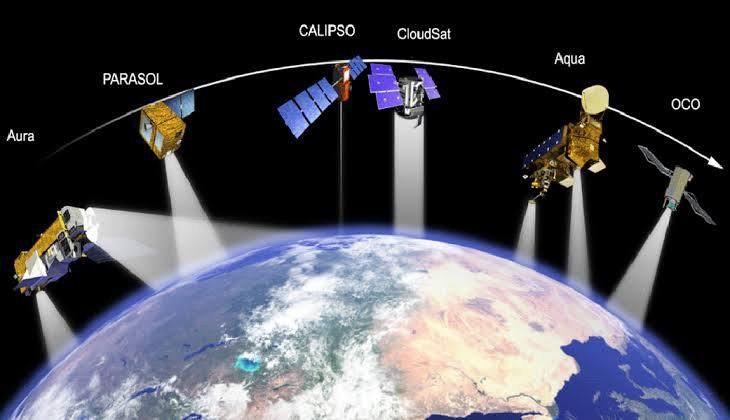
There are three areas of earth orbit. Low Earth orbit (LEO) is the closest to the Earth's surface and holds weather and climate satellites. Then there is the medium Earth orbit (MEO). The Global Positioning Satellites or GPS, are in this space. The farthest away from the surface is the high Earth orbit (HEO) or geosynchronous. At this altitude, the satellite travels at the same speed that the Earth does and monitors one area. It looks like this satellite is not moving since it travels at the same rate as the Earth.
Russia and the United States tried to outdo each other to see who could get to the Moon first in the 1950s. The Russians leaped ahead by launching Sputnik 1 in October of 1957. Four months later, the United States caught up with the launch of Explorer 1 in early 1958.
Depending on where the satellites are orbiting, the uses of satellites vary. Some of the various types of artificial satellites are communication, remote sensing, GPS, geostationary, drone, polar, nanosatellites, navigation, and ground. There are also different orbital patterns the satellites can take, depending on what scientists want to study.
👍87❤10🔥5👏4🤩4
What is the difference between CC and BCC when sending an e-mail?
In the current era, Email is one of the best and most preferred modes of communication for both small and large organizations. The term Cc (Carbon Copy) and Bcc (Blind Carbon Copy) are used in the Email to securely send and receive the information via Email.
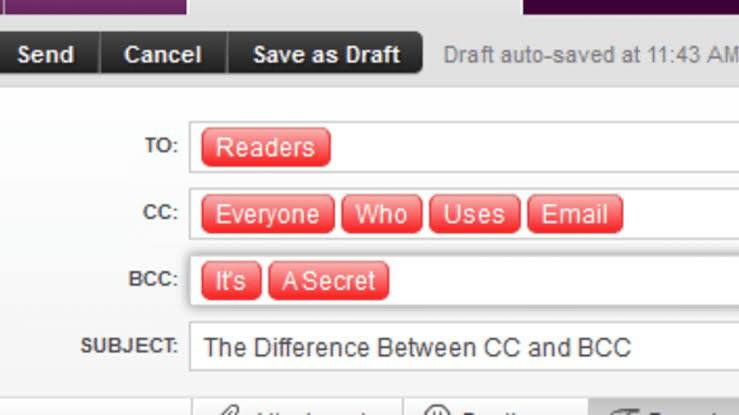
Cc stands for Carbon Copy. It is used in the Email to send the carbon copies of the Email to the recipients. In Cc, all recipients are able to see a list of all other recipients.
◦ Cc is used when we want to send an Email to someone without addressing them personally.
◦ Cc is used for group communication.
◦ It keeps all management and employees in the loop even if an Email doesn't concern them directly.
◦ Cc is used when we want to receive the responses from the associated email recipients.
◦ Cc is used when we want to inform other recipients about the email.
Bcc stands for Blind Carbon Copy, which is similar to Cc. It is also used to send the carbon copies of email to the multiple recipients without seeing a list of recipients.
◦ Bcc is used when we want to send email to many recipients at the same time.
◦ Bcc is used when we do not want that recipient to see other recipient's email addresses.
◦ Bcc is used in large businesses.
◦ Bcc mainly used for sharing company newsletters by keeping your email address private.
◦ Bcc is used to protect recipient's privacy, when we want to send Emails to unknown recipients.
◦ Bcc is used for sending impersonal emails that do not warrant responses.
👍136❤24😱7🔥4👏4
What is Teleprompter which is used in Public Speaking?
Have you ever wondered how news anchors and television reporters deliver information seamlessly on camera? It’s all thanks to the Teleprompter. These display devices enable a presenter to read from a prepared script or speech while maintaining eye contact with the camera at all times. This gives viewers the impression that the presenter has memorized a speech or is speaking spontaneously since they don’t have to look down or to the side, which is usually the case when reading from a written document or cue cards.
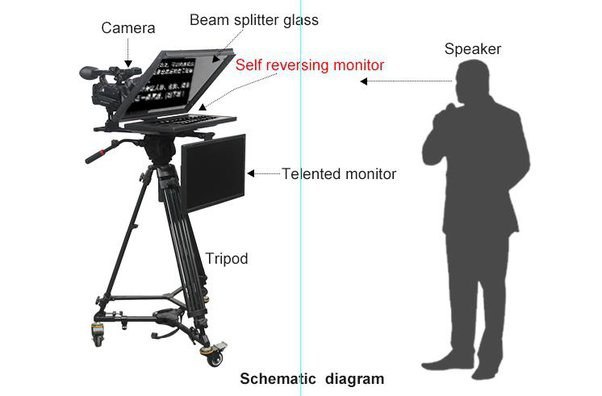
A horizontal display device is used to display the content of the document. Through a special beam splitter teleprompter glass placed at a 45-degree angle, the content displayed on the display is reflected into the sight of the speaker, so that the sight of the presenter, the teleprompter, and the camera are on an axis.
Television presenters, world leaders, and public speakers regularly use teleprompters to communicate their message without having to glance down at written notes. This enables them to build a stronger rapport with their audience by maintaining natural eye contact throughout the speech.
👍94❤14👏8😱8🔥5🤩3
What is Dark Web?
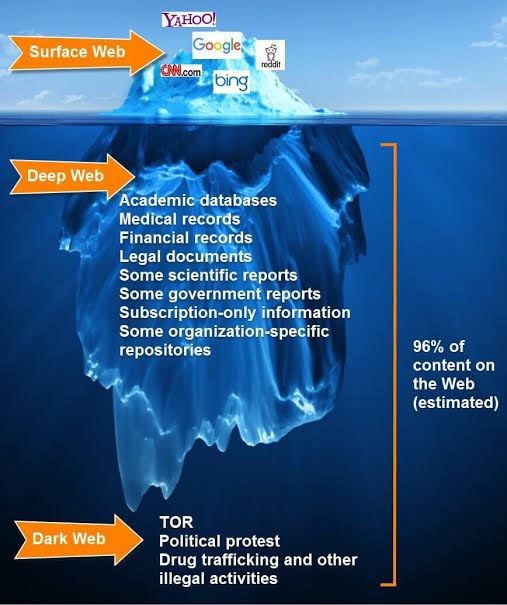
There’s essentially three ”layers” to the internet: the surface web, the deep web and the dark web.
The Surface Web is everything you can find through a search engine.
The Deep Web is everything you can’t find through a search engine (your emails, for example). This is the largest portion of the internet.
You can only access deep web if you have the URL of that particular website which you want to access. This web contain all private data like Govt. private documents, Forces (Air Force, Army, Navy) detailed information etc. You can only excess this web if you have two things- the first one is that particular URL and the second one is the permission from that Authority.
The dark web is the World Wide Web content that exists on overlay networks which use the Internet but require specific software, configurations or authorization to access, often using non-standard communication, protocols and ports. The dark web forms a small part of the deep web, the part of the Web not indexed by search engines, although sometimes the term "deep web" is mistakenly used to refer specifically to the dark web.
Darknet websites are accessible only through networks such as Tor ("The Onion Router") and I2P ("Invisible Internet Project"). Tor browser and Tor-accessible sites are widely used among the darknet users and can be identified by the domain ".onion". Identities and locations of darknet users stay anonymous and cannot be tracked due to the layered encryption system. The darknet encryption technology routes users' data through a large number of intermediate servers, which protects the users' identity and guarantees anonymity. The transmitted information can be decrypted only by a subsequent node in the scheme, which leads to the exit node. The complicated system makes it almost impossible to reproduce the node path and decrypt the information layer by layer. Due to the high level of encryption, websites are not able to track geolocation and IP of their users as well as the users are not able to get this information about the host. Thus, communication between darknet users is highly encrypted allowing users to talk, blog, and share files confidentially.
It should be noted that due to high anonymity and confidentiality, dark web has often found itself as the favourite medium for illegal activities such as drug and weapons trade, black market, fraud etc. Also, many whistleblowing sites maintain a presence as well as political discussion forums but sites associated with Bitcoin, fraud related services and mail order services are some of the most prolific.
👍112🔥26❤22👏8🤩5
What is Laser hair removal? How does it work?
Did you know that hair follicles grow in repeated cycles? There are three phases of hair growth every time a new hair is developed, and it’s important to understand that our hair does not grow in unison. While one hair might be in the first stage of hair growth, the one next to it might be in the last; hence one zap of a laser will not get rid of all the hair forever. Each cycle can be broken down into three phases:
: The active growing stage
: The transitional stage
: The resting stage
Have you ever noticed how dark clothes absorb sunlight and feel warm to the touch? Then you'll begin to understand how the melanin (pigment) within the hair follicle absorbs energy/heat from the laser.
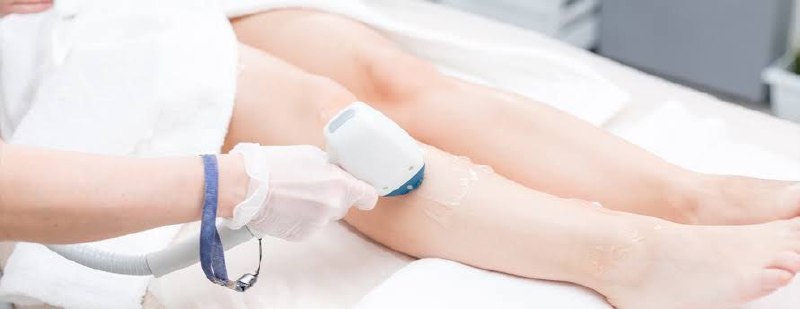
Laser hair removal is a cosmetic procedure to get rid of the unwanted hair on any part of the body. Concentrated light or lasers are used to remove the hair. It can be permanent or the temporary treatment at an affordable rate. You can consult a licensed dermatologist for initial consultation and to know your current skin conditions to undergo the treatment.
It is a non-invasive procedure for hair reduction for longer period of time.
Laser hair removal works by the process of selective photothermolysis. This is when the laser beam is set at a designated wavelength. The laser beam is attracted to the melanin contained within the hair, leaving the surrounding tissue unaffected. The energy of the light beam is converted into heat and travels through the hair shaft and into the hair bulb itself. Here the heat destroys and kills the dermal papilla, which is responsible for feeding the hair bulb and regenerating the hair.
The regrowth of hair will be slower and finer after just two sessions.
There are several advantages of laser hair removal, but there are also some potential drawbacks to the procedure that should be considered.
👍63❤12🔥4😱4👏2
Why does Mint have a cooling sensation?
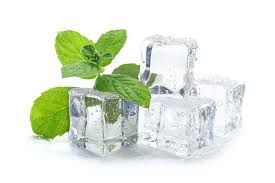
That cooling sensation is a result of menthol in the tissues of the mint leaf:
Menthol's ability to chemically trigger the cold sensitive TRPM8 receptors in the skin is responsible for the well-known cooling sensation it provokes when inhaled, eaten, or applied to the skin.
The receptor of interest is a protein called TRPM8 (transient receptor potential cation channel, subfamily M, member 8). It is an ion channel which, when open, allows sodium ions and calcium ions to enter, causing an action potential (an electrical signal down a neuron). Menthol causes the TRPM8 channel to open.
But TRPM8 is also a temperature receptor that opens in response to low temperatures. When you eat something containing menthol, the TRPM8 channel opens, but this signal is indistinguishable from the signal that would be produced if the receptor sensed cold. Therefore, when it detects menthol, the receptor signals ‘cold’, making mint feel cold.
👍87❤12🔥11🤩7👏4😱4
Why can't we carry Plants, Seeds and Soil on international flights?
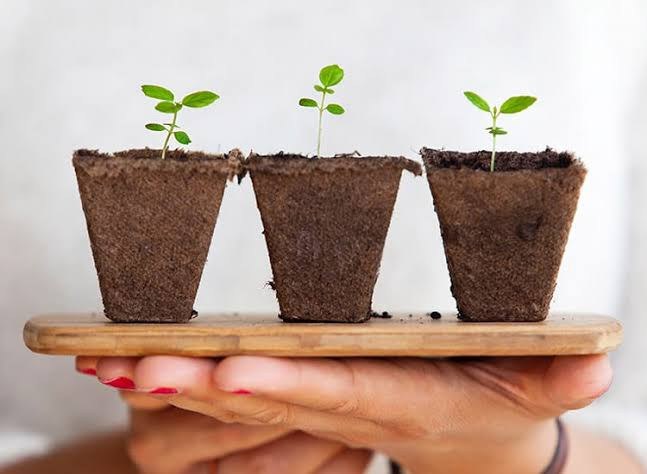
Plants, seeds and soil are not allowed at airports because they can carry harmful pests, diseases, and invasive species that can potentially harm ecosystems and agricultural industries in the destination country. These pests and diseases can spread quickly and be difficult to control, causing damage to crops, forests, and natural habitats.
In addition, plants and soil can also pose a risk to the aviation industry. Soil can contain organisms that can damage the aircraft, such as fungi and bacteria that can corrode metal parts, while plants can attract insects and birds that can interfere with aircraft engines or cause safety hazards on runways.
To prevent the spread of harmful pests and diseases, most countries have strict regulations in place that prohibit the importation of plants and soil without proper permits and inspections. Travelers should always check with the relevant authorities and comply with all regulations when traveling with plants or soil to avoid any potential penalties or restrictions.
👍96❤11😱11🔥7🤩5
Why do F1 cars spark?
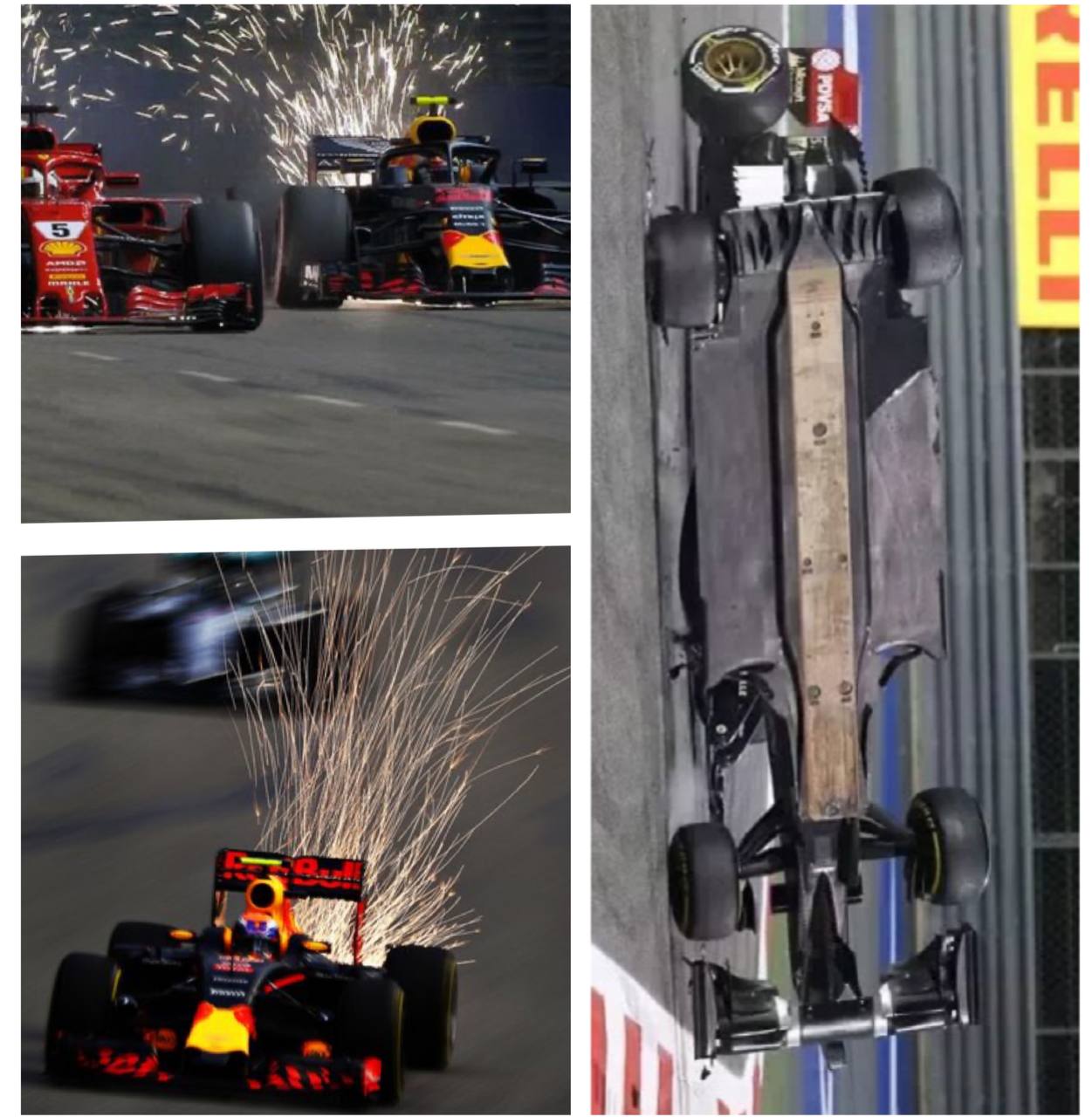
The sparks are from Titanium skid blocks embedded in the ‘legality plank’ on the underside of the car. At high speed the cars are pressed down onto the track by aerodynamic forces causing the titanium to generate sparks.
At high speed tires distort and the suspension contracts, bringing the car even closer to the earth. Here, the car’s undercarriage protrusions scrape the track surface, causing sparks to fly. These projections aren’t just for looks; they’re an integral part of the design for aerodynamics.
The plank is mandated by F1 regulations to maintain a minimum ride height and to limit the use of ground effects to enhance handling. If there is more than a millimeter of wear the car can be disqualified, however teams are allowed to use the skid blocks to reduce wear.
Titanium skids had been used previously in the 80’s and 90’s. Driver Nigel Mansell said he used to find bumps on the track to generate sparks to distract the drivers behind him. They were reintroduced in 2015 both as a safety precaution (titanium being lighter than tungsten) and to provide a better show.
👍72❤18🔥13😱7👏2
What is ChatGPT?
ChatGPT is a chatbot developed by OpenAI that uses a large language model called GPT (Generative Pre-training Transformer) to generate responses to user input. ChatGPT is designed to engage in conversation with users in a natural and human-like manner, and it can answer questions and provide information on a wide range of topics.
To use ChatGPT, users can type a message or question into a chat interface and ChatGPT will generate a response based on the information it has been trained on. ChatGPT is designed to understand the context and meaning of the words it generates, and it can engage in conversations that may involve multiple turns and branches.
While ChatGPT is a powerful tool for generating human-like text, it does have certain limitations. It is limited by the knowledge and information that it has been trained on, and it does not have access to current events or new information that has been published since its training data was collected. Additionally, ChatGPT is not able to browse the internet or access other sources of information, so it is limited to the knowledge that it has been trained on.

👍139❤26🔥16👏5🤩4😱2
What are G ,E ,H ,H+ ,LTE , 3G, 4G, 5G displayed on your smartphone when you switch on mobile data for internet?
In mobile communications, frequently, the terms GSM, GPRS, EDGE, UMTS, HSPA and LTE appear. These terms refer to different standards of data transfer and are noticeable for the mobile phone user mainly.
First, there was only the GSM network, then there were improvements of the GSM network, finally the newer and faster UMTS network, and again improvements of it. The faster UMTS network is not yet available everywhere, so, often you have to go over the older and slower GSM network even today.
About the abbreviations on your smartphone notification bar.
G stands for GPRS and is the slowest standard, used is the GSM network (2G).
E is an extension of GPRS, it is called EDGE and it is correspondingly a little faster, but still uses the old GSM network (2G). EDGE is used to refer to 2.5G
3G (3rd Generation) stands for UMTS and is the successor to the GSM network and faster.
H and H+ are standing for HSPA and HSPA+. Both use the UMTS network, where H is faster than 3G and H+ is faster than H. 3.5G, which is usually considered to be HSDPA or HSPA or HSPA+
4G (4th Generation) stands for LTE (Long-Term Evolution).
5G (5th Generation) is the mobile network that has replaced 4G, with a copious amount of improvements from improved rates of transmission speed to network coverage, and reliability.

👍134❤28🔥10👏10🤩5