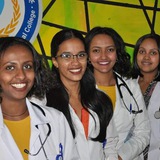
St. Paul's carried out breast and cervical cancer screening for the staff of Civil Service Commission.
ሶስተኛው ዙር የማህፀንና የጡት ካንሰር ቅድመ ምርመራ በሲቪል ሰርቪስ ኮምሽን ቀጥሏል፡፡
ሶስተኛው ዙር የማህፀንና የጡት ካንሰር ቅድመ ምርመራ በሲቪል ሰርቪስ ኮምሽን ቀጥሏል፡፡
ክብርት ዶ/ር ካትሪን ሐምሊን የመልካም ስራ መምህርዋ፡፡ እንኳን ለ95ኛ ም ልደት በዓልዎ አደረስዎ!
Happy 95th birthday to you, Catherine Hamlin. May you prosper and find greater joy in the good works you have been doing in Ethiopia.
Happy 95th birthday to you, Catherine Hamlin. May you prosper and find greater joy in the good works you have been doing in Ethiopia.
የባንክ:የቴሌ: የከተማ ልማት እና የብሔራዊ ትያትር ሠራተኞች አገልግሎቱን ማግኘት ትችላላችሁ ።
Meet One of the world's oldest surgeon, Alla is 87 years old. She still works as a surgeon and still holds more than a 100 operations a year, with 0 fatality. She has performed about 10,000 surgeries in a span of 67 years.
(yourstory.com)
(yourstory.com)
St Paul’s is upgrading maternal and child health services by launching fertility treatment from the end of January 2019. The center is ready to admit 500 couples this year and about 2,000 couples annually after two years.
The college’s new, eight-floor building accommodating about 400 beds for maternal and child care will be completed in a month’s time. On average, St. Paul’s delivers 1,000 babies a month. Over the last several years, St. Paul’s has played a major role in minimizing maternal and infant mortality in the country. The college is also launching and supporting maternal healthcare in other hospitals and health centers.
The college’s new, eight-floor building accommodating about 400 beds for maternal and child care will be completed in a month’s time. On average, St. Paul’s delivers 1,000 babies a month. Over the last several years, St. Paul’s has played a major role in minimizing maternal and infant mortality in the country. The college is also launching and supporting maternal healthcare in other hospitals and health centers.
*FREE eBOOK*****
For those who SHARE OUR PAGE between today and next Tuesday.
For those who SHARE OUR PAGE between today and next Tuesday.
ይህን መጽሐፍ በሶፍት ኮፒ ማግኘት ይፈልጋሉ?
አንድ ጊዜ የፌስ ቡካችንን ገጽ ሼር ቢያደርጉ እኛ መጽሐፉን በኢሜይል አድራሻዎ እንልካለን።
አንድ ጊዜ የፌስ ቡካችንን ገጽ ሼር ቢያደርጉ እኛ መጽሐፉን በኢሜይል አድራሻዎ እንልካለን።
THE FIRST PHARMACY
The first foreign pharmacist to establish himself in Addis Ababa was a young Georgian, Dr Merab, who held French nationality. He had formerly practiced in Constantinople, where he had treated a visiting Ethiopian delegation, led by Ras Mangesha Warqe. The latter interested him in travelling to Addis Ababa, where he became, among other things, one the small band of Menilek’s personal physicians.
Merab, whose grave can be seen to this day in Addis Ababa’s Gulele cemetery, duly founded the city’s first pharmacy. This, as a good patriot, he named the Pharmacie la Georgie. A man of considerable literary merit, he was also the author of “Medicines et Medicine en Ethiopia”, the first important account of traditional Ethiopian medicine.
Though Merab enjoyed something of a pharmaceutical monopoly he nevertheless encountered some competition. Most European, and Indian, groceries at this time stocked popular medicines. These included iodide of potassium, Ricord’s pills, quinine, castor oil, Epsom salts, laudenum, phenic acid and antiseptic cotton.
The national cesarean section rate increased from 0.7% in 2000 to 1.9% in 2016, with increases across seven of the eleven administrative regions of Ethiopia. Addis Ababa had the highest cesarean section rate (21.4%) in 2016 and the greatest increase since 2000. In the adjusted analysis, women who gave birth in private health facility had a 78.0% higher risk of cesarean section (adjusted prevalence ratio (aPR) (95% CI) 1.78 (1.22, 2.58)) compared with women who gave birth in public health facility. Having four or more births was associated with a lower risk of cesarean section compared with first births (aPR (95% CI) 0.36 (0.16, 0.79)).
Cesarean section in Ethiopia: prevalence and sociodemographic characteristics.
Yisma E, et al. J Matern Fetal Neonatal Med. 2017
Cesarean section in Ethiopia: prevalence and sociodemographic characteristics.
Yisma E, et al. J Matern Fetal Neonatal Med. 2017