Huobi Receives Digital Asset Trading License From Finance Ministry of Thailand
Crypto enthusiasts in Thailand have a reason to rejoice. According to the latest reports, Huobi has now been granted the Digital Asset Trading License by the Finance Ministry of Thailand. The license has been given to the Thailand subsidiary of Huobi, called the Huobi Thailand, making it only the 5th licensed exchange platform in the country.
By availing this license, Huobi will be able to offer trading services in both local fiat and crypto that would comply with the country’s policies. Upon receiving the license, Huobi Thailand’s CEO, Sakda, came forward to share their views. Sakda stated that Huobi will offer reliable and secure trading services of digital assets to the Thai users through the verified technical proficiencies of Huobi Cloud. For those who came in late, Huobi Thailand has been built on the Huobi Cloud that offers the one-stop solution for digital asset exchanges globally.
Continuing further, Sakda said that post entering Thailand, Huobi would actively work side by side with the local entities as well as the government to explore blockchain application scenarios. The CEO also brought attention to the fact that in the crypto trading space, Huobi has successfully secured a place in the list of the world’s biggest exchanges in terms of the trading volume. It has completed 6 years providing its users with safe operations.
The crypto scenario in Thailand
Thailand has gradually started providing a safe environment for digital asset traders over the past two years. It has formed quite favorable regulations when it comes to digital assets. In May last year, the digital assets regulator of Thailand, known as SEC, had mandated every firm engaged in the digital assets space to acquire a license from the authorities. It had also made it mandatory for all the existing digital assets firms to submit their license applications within a period of 90 days.
While considering license applications, the regulators concentrate on many factors – whether the license applicant possesses a good management system, a monitoring system for identifying a conflict of interests, regular cybersecurity checks, and much more. They also review the management and board team members’ background.
So far, only 4 other companies, namely Satang Corporation, Bitkub Online, Bitcoin Exchange, and a Digital Asset Broker, besides Huobi Thailand, have received such licenses from the ministry. There were three more firms that had applied for the license, but their applications have been rejected.
Apart from this, the Thailand government has also been exploring other blockchain apps. In fact, the Bank of Thailand revealed in August that they are developing their own virtual currency called Intanon. It will have its basis on CORDA and R3 platform’s DLT. It aims to utilize the technology of blockchain to enhance interbank payments efficiency. What’s more interesting is that the project is being supported by Thailand’s 8 commercial banks, including HSBC and Standard Chartered Bank of Thailand.

Over 97% Americans Not Willing To Use Facebook’s Libra, Says New Survey Report By Viber
Facebook has enormous expectations from its highly anticipated crypto project Libra, which was unveiled on June 18. However, the world has seen more critics than supporters of the project. With regulators across the globe criticizing Facebook’s dream project, the road seems quite difficult ahead.
If that wasn’t enough, the situation has even worsened after the latest survey report on Libra by Viber, which indicates that less than 3% of people are willing to use the stablecoin project. The reason for this is what has haunted Facebook since the Cambridge Analytica debacle, and that’s the lack of trust in the company’s privacy policy.
As per the survey report, about 49.4% of the respondents to the survey said they would never trust Facebook, while 31.6% said they don’t know whether they would trust it. About 13.9% of people said that they would never use Libra for making payments, and only about 2.5% said that they will use the stablecoin project. This shows that if Libra were to be launched today, it wouldn’t be an instant hit, and future success would also remain doubtful.
Facebook has been taking serious efforts to build trust for the project, as it is very well aware of the lack of trust among users. Therefore, in its white paper, Facebook has mentioned about 28 founding members of the crypto project, which includes big names like Uber, MasterCard, Vodafone, PayPal, VISA, etc. It also stated that the Libra Foundation, and not Facebook, will be responsible for the project’s operations and management.
However, all the efforts to bring giants on-board and make clear that it cannot control the project; it has still failed to garner trust from the audience. Facebook has been involved in some of the worst privacy-related breaches, which were exposed by activists after years of struggle. Though the company has revised its privacy policies and made the platform more transparent, (at least on paper), common users, especially in the US, don’t seem to accept it.
US Authorities Start Tightening Grip On Crypto Trade, Send Notices To Cryptocurrency Owners
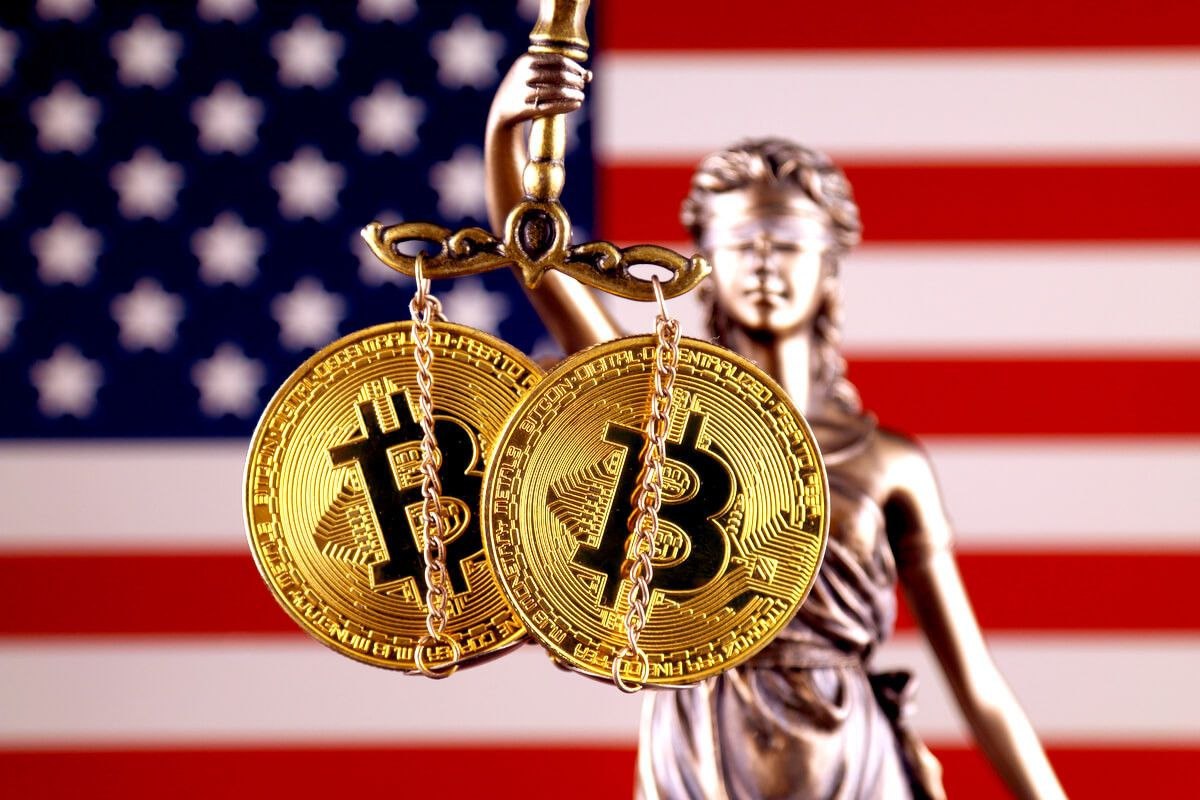
The crypto trade finally seems to be falling in regulation in the US, as authorities start to tighten their grip on crypto trade and digital currency owners. In a statement released on Friday, the Internal Revenue Services (IRS) of the US said that it has started sending letters to crypto owners in the country, asking them to pay any impending taxes, or else file tax returns regarding their holdings.
In the statement on its official website, IRS stated that it started sending the letters to defaulters last week, and over 10,000 such people will receive these letters till the end of August. IRS Commissioner Chuck Retting said,
Taxpayers should take these letters very seriously by reviewing their tax filings and when appropriate, amend past returns and pay back taxes, interest, and penalties. The IRS is expanding our efforts involving virtual currency, including increased use of data analytics.
He also added that the agency is focused on implementing the law, and will fully help the taxpayers to understand the law and fulfill their obligations. Three categories of letters are being sent to the taxpayers, Letter 6173, Letter 6174, and Letter 6174A.
Regulators around the world are making serious efforts to regularize the crypto industry, and the US is among the forerunners. Especially, after the unveiling of Facebook’s Libra cryptocurrency, US lawmakers and regulators have ramped up the action. Despite the industry experts opposing the regularization of crypto, authorities have continues their efforts.
In its statement, the IRS also reminded of the Virtual Currency Compliance campaign it launched last year, to educate people about crypto compliance and non-compliance. It also added that it will continue its operations against non-compliance of tax laws in the industry, by educating people, or if required, starting criminal investigations.
🗯 UNIQUE ART TOKENS WITH HIGH GROWTH POTENTIAL: "89 SECONDS ATOMIZED" 🗯
🏛 The creator of this blockchain-based project is the acclaimed New York artist Eve Sussman. Her works are in the collections of the MoMA, Whitney, and Smithsonian Museums.
💻 For this project, Eve divided the last copy of her most famous video “89 seconds at Alcázar” (last priced at $ 180,000) into 2,304 unique pieces - 20x20 pixel videos, each one is a portion of the entire screen. She then tokenized these tiny videos on the Ethereum blockchain, so each token holder owns a specific audiovisual piece of the original artwork.
📽 The artist has also developed a smart contract that allows each owner to borrow tokens from the rest of the community, reconstruct the original video, and watch the whole artwork during a 24-hour loan. For this, she created an online portal for screenings.
👾 The artist owns one third of the 2,304 tokens, while the rest were put up for sale at a price of $120. Now almost all of them are sold out, and fewer than 100 are left. Leading press, including Forbes, Bitcoin Magazine, and ArtMarket Guru have already written about the work.
❗️ DEAL FOR OUR SUBSCRIBERS❗️ We're happy to provide a promotional code for a $20 discount on the first 10 purchases. You can buy in crypto or Fiat here.
💎 Tokens are made in the ERC-721 standard (the so-called Non-fungibles or NFTs)- it is the same standard that Crypto-Kitties had, which means that tokens are supported by any Ethereum wallet, and, after the end of the primary sale, can be instantly traded on the exchanges Snark.art, Opensea, Rarebits and many others. No listing procedure will be required!
🖼 This is not only an excellent investment asset, but also a unique piece of art. Art is the fastest growing class of assets in the past 10 years. Buy here for a worthwhile investment and a great dinner table topic.

Securitize Announced Tenth On-Chain Digital Asset Through Its Platform
The security token start-up based in San Francisco, Securitize backed by Coinbase has announced the launch of the tenth on-chain digital asset.
The start-up assists Coinbase and other firms in creating tokens or tokenization of assets and securities. The start-up entered into the digital asset market with support from Coinbase, but since then, it has come a long way.
The CEO (Curzio Equity Owners) token has an equity interest in Curzio Research’s newsletter business, the financial analytics publishing firm. As per the firm, the token will present a path to invest in scalable, high margin industry, which is otherwise difficult to access for the outsiders.
The start-up has a long list of substantial investors from the cryptocurrency industry, which not only included Coinbase but also includes Ripple, Global Brain Corporation, and NXTP.
The firm used to tokenize the assets in collaboration with Protos, Lottery.com, and Cityblock Capital in the past. The intention was to provide ownership opportunities to the user which people can purchase instead of using traditional non-digital methods. While investing people can use both fiat and cryptocurrency, but while drawing dividends, it can only be paid in USDC stable coin of Coinbase or Circle.
The firms target to bring transparency to the securities market by using the blockchain technology. The CEO and founder of the company Carlos Domingo said they are also working towards developing a relationship with investors by increasing liquidity, keeping up with the capital, and promoting compliance.
The Ethereum based protocol of Securitize has nine on-chain tokenized securities which worth $200 million. They have 150 investors for each asset. Of these nine assets, five trade on the regulated market like ATS of tZero, Sharespost, and Open Finance Network.
The cost involved for tokenizing the assets includes issuing and managing the platform fees. If broker-dealer is required, then managing the expenses of a broker-dealer if the listing happens then handling the listing fees and most important of all securing legal advice.
In April this year, the start-up has launched Securitize Ready Platform in collaboration with Coinbase and OpenFinance.
As per a representative, Cruzio did all the legal work and definition while Securitize did the technical job to support the onboarding of the investors. Securitize also did the management of security tokens their issuance, creation of smart contracts for the crypto securities.
Happy Birthday, Dear Ethereum – Four Years Since the Best “Altcoin” Was Launched
Vitalik Buterin‘s beloved child, Ethereum, turns four today. It was launched on 30th July 2015, and within these four years, it has become the second-best choice after Bitcoin. Buterin transformed the way people thought about cryptocurrencies. From being treated merely as a peer-to-peer currency, to being used as a legit way of making payments, Ethereum must be highly credited for the development of the crypto industry on a whole.
Ethereum is arguably the best altcoin and has developed tremendously in over the period. It’s creator, Buterin is also the most decorated, and among the influential personalities in the crypto industry. He was among the firsts to speak about dapp, mass blockchain adoption, and many such things, which are a common norm today. Therefore, it can be rightly said that if Satoshi Nakamoto’s Bitcoin gave us a decentralized crypto-blockchain technology, Vitalik Buterin’s Ethereum taught us how to utilize it to the fullest.
A few months ago, Buterin spoke about he came with the idea of Ethereum. He said,
Soon after that, I started to realize that there were a lot more interesting things that you could do with blockchains than just a single peer-to-peer currency. And this was something a lot of other people were starting to recognize at the same time. I came up with the idea behind Ethereum.
Of late, Ethereum has been working a bit more silently than users would have liked. The Ethereum 2.0, the much-awaited upgrade, is slated to be launched in January 2020. It is said to be the button which could trigger a bull run for ETH.
In reality, the coin has witnessed a serious shock during the 2018 bearish trends and has quite recovered from there. After peaking at around $1,400 in January 2018, Ethereum suffered a drastic fall and is currently reeling around $200. However, that’s not necessarily a worrying issue. The network is expanding, cracking new partnership, and expanding the user base for dapps.
The network still remains the second largest in terms of market capitalization and continues to dominate the dapp scene. Though, competition from emerging platforms like TRON and IOST is growing considerably.
Nonetheless, it’s Ether’s birthday, so take a moment, and wish Buterin’s brainchild a very happy birthday!
Tezos (XTZ) the New Joiner in the Coinbase Pro Trading List
As per the latest news surfaced Coinbase will start accepting Tezos (XTZ) from 5th August this year. The movement is made for the further adoption of Tezos blockchain.
Tezos is a democratically governed and Proof-of-stake blockchain, Coinbase pro will be adding it for its institutional exchange platform. XTZ will be supported within the jurisdictions where Coinbase is supported, while New York remains the exception. They may add up additional regions in the upcoming days.
Coinbase has always made it sure for the customer that they get a wide range of trading options. They have always added up-to-date tokens to their platform. The latest addition, XTZ, is a digital asset from Tezos.
The platform will accept inbound tokens from 5th August before full trading is opened the deposition will be done for 12 hours. Whenever a coin is added to the Coinbase platform, they only allow inbound transactions for a certain period to ensure that they have a sufficient amount of currency for trading.
In the beginning, the order book for the trading of XTZ/BTC and XTZ/USD will be started in phrases. Starting with a post only method and then gradually proceeding towards full trading when a healthy market is met.
Tezos (XTZ) was officially announced in September last year. They offer its investors to vote on the proposed upgrades of the on-chain. When Coinbase Custody added Tezos in March, the change was challenged by those who divergent the extension of voting by custodial token holders although it remains unknown whether self-amending duties will be imposed on the users of the platform.
Just like any other cryptocurrency added to the Coinbase Pro platform, Tezos will also have to pass through four phases. This includes: Transfer only, post, limit, and full trading. After the infant stage, full trading will be enabled by the platform. Although the most significant portion of the news is Tezos will not be available in Coinbase platform.
Whenever a coin is added to the Coinbase Pro platform, they experienced a jump in its value just around the time it was launched. Presently the price of a single XTZ token is $1.24, and its value is continuously rising in the past one day.
Is it Time to take Inspiration from the Decentralized BTC?
Yesterday, Capital One informed that on 19th July, the company discovered ‘unauthorized accesses to its sensitive information database. The individual behind this act has been arrested. The offender stole 100 million Capital One customer’s account and credit card information.
The crime and the culprit-
Paige Thompson is the alleged hacker behind this crime. As per sources, Thompson resided in Seattle and was arrested yesterday by the FBI. The charges on her are unauthorized access to the personal data of the Capital One customer.
Reports tell that Thompson was a former software engineer for a cloud hosting company which was used by Capital One. Her gateway into the company’s data was through the poorly configured web application firewall, as per court filings.
The details of the damage caused-
As per the information supplied by the company, by far the hack has affected-
Around 100 Million U.S. based individuals, out of which-
6 million are from Canada. Around 1 million social insurance numbers were compromised.
The information on customers and small businesses from 2005 to 2019 for credit card application was the steak for the hacker. The focus here was on the company’s regular collection of information during credit card applications which included-
Addresses,
Zipcodes/postal codes,
Phone numbers,
Email addresses,
Dates of birth, and
Self-reported income
From the credit card customer information, the hacker targeted at-
Credit scores,
Credit limits,
Balances,
Payment history,
Contact information
Transaction information during 2016, 2017, and 2018 (from a total of 23 days.)
Approximately 140,000 Social Security numbers of credit card customers were compromised.
Additionally, around 80,000 linked bank account numbers of secured credit card customers were also compromised.
Measures to fix the damage-
The company has fixed the ‘configuration vulnerability’ which allowed the hacker to get into the crucial information. Further, Capital One has started to work with federal law enforcement to fix the remaining matters. The company has assured that due investigations are going on, despite by far it believes that the leaked information was ‘unlikely’ used for any fraud by the hacker.
Capital One’s Chairman and CEO- Richard D. Fairbank said-
While I am grateful that the perpetrator has been caught, I am deeply sorry for what has happened. … I sincerely apologize for the understandable worry this incident must be causing those affected, and I am committed to making it right.
Further, the company has assured to make ‘free credit monitoring and identity protection’ for everyone. Taking the security far more seriously, the financial institution has invested in cybersecurity to ensure further safety
The resilient Bitcoin-
Anthony Pompliano, the co-founder of Morgan Creek Digital Assets, posted this on his twitter handle-
No one has ever hacked Bitcoin. It is the most secure computing network in the world.
The plan for hacking Bitcoin will require the hacker to gain information on the private keys of every user in order to flow on the blockchain ledger. The decentralized nature of the Bitcoin acts as strong security in comparison to centralized bodies such as Capital One. Issues such as these that are related to the centralized system is giving birth to the decentralized structure. The decentralized system is the answer to the times when the global market is turning into the local market.
Several market experts from crypto sphere point at the importance of the financial privacy and how any further continuing with the old patterns regarding customer’s sensitive information can lead to sudden falls in both the online as well as the offline worlds. The centralized nature of Capital One made it easy prey for hacking; decentralization could have saved it!

New Debit Card Launched by Ripple Backed Nexo, Let’s Users Use Crypto Without Spending It
Innovation in the crypto industry is synonymous with daily routine, as newer and unique ideas pop-up every day. However, some stand out due to their scope of usability, which makes them successful, at least at the beginning.
One such development seems to be popping out of Ripple’s stable, where XRP backed crypto start-up Nexo has launched a debit card which allows users to make payments via cryptocurrencies, without actually spending it. The MasterCard powered debit card helps users get real-time crypto loans by putting the tokens as collaterals. The concept is both unique and looks extremely usable at face.
Crypto debit cards have significantly grown in popularity in the last few months, as they help users to actually make use of their assets, which generally remain more rigid than liquid. Unlike Nexo’s card, other crypto debit cards convert crypto to fiat on a real time basis for making payments at merchant stores. On the other hand, Nexo takes the game a step ahead and collateralizes the amount of crypto swiped for purchase, which allows users to keep their tokens while paying the loan later.
In its official statement, the company said,
When using the Nexo Card to purchase goods and services, you actually pay using your Nexo flexible open-ended revolving credit line that is backed with your crypto holdings and thus not selling any of them, which is giving you the freedom to spend today and sell your holdings whenever you want in the future to pay back the loan.
This loan giving the capability of the Nexo Card make it more of a credit card than a debit card, also the first in the world of crypto. Nexo itself is a crypto finance start-up, which allows users to avail instant loans by keeping their crypto holdings as collaterals. The Ripple backed start-up is part of the Credissimo Group, and a decade-old FinTech group spread across Europe. Since its inception a couple of years ago, Nexo has disbursed over $700 million in crypto collateralized loans to more than 200,000 customers.
MoneyGram International Ventures into Strategic Alliance with Ripple for Global Payments
MoneyGram, the Dallas based money Transfer Company, has associated with San Francisco based fintech Ripple as its primary partner for payments involving different countries. MoneyGram’s stock moved up to 168 percent recently following Ripple’s declaration that it will purchase $30 million of MoneyGram shares at a significant premium of 4.10 dollar per share. Ripple has the choice of buying another 20 million dollar shares over the following two years.
Moreover, MoneyGram says its association with Ripple’s XRP enabled cross-border payment platform xRapid is currently active. This association will empower MoneyGram to use Ripple’s xRapid product, by making use of XRP in foreign trade repayment as a part of MoneyGram’s payment process involving different countries.
As of now, Ripple has 20 clients utilizing xRapid, who are transferring cash among Mexico and the Philippines. A month ago, Ripple associated with money transferring company, MoneyGram, who expressed that they plan to utilize xRapid. Moreover, Ripple discussed the development of Xpring, its latest fundraising support arm, which has invested in half a billion dollars in boosting XRP and developing the blockchain Ecosystem.
MoneyGram has associates in more than 200 nations around the world with access to a few billion bank accounts, which could drastically expand Ripple’s worldwide exposure. Holmes declares that the organization’s association with Ripple will enable it to improve the organization’s capacity to transfer money around the globe, and it is not done investigating how crypto and distributed ledger technology can enable the organization to get the hang of its competitors.
Our partnership with Ripple will help further improve this core strength. Our internal innovation lab continues to explore new and exciting use cases for crypto, DLT, and blockchain as we look to build the model of the future.
Ripple markets software to a financial organization and banks for quicker settling of cross-border payments. Its two primary products are called xCurrent and xRapid, and the xRapid product depends mainly on the cryptocurrency XRP.
Furthermore, with xRapid, Ripple means to make XRP the choice of the asset for cross-border payments between financial organizations. Besides, the product xRapid extraordinarily utilizes the digital resource, XRP, to offer on-demand liquidity, which drastically brings down expenses while empowering real-time payments in developing markets. It has been built for prominent enterprise use; XRP offers payment providers and banks a very productive, adaptable, scalable, and dependable liquidity choice to service payments involving different countries.
Ripple can collaborate with cryptocurrencies exchanges around the globe that are equipped for accepting fiat cash from banks. Moreover, it changes the fiat cash into XRP and transmits it to the destination, where it is converted back to fiat instantly. The organization supports the organizations shared objective of improving the repayment of cross-border payments by expanding efficiency and decreasing expense through RippleNet.
A New Market Metric Tries to Find the Best Time to Buy Bitcoin
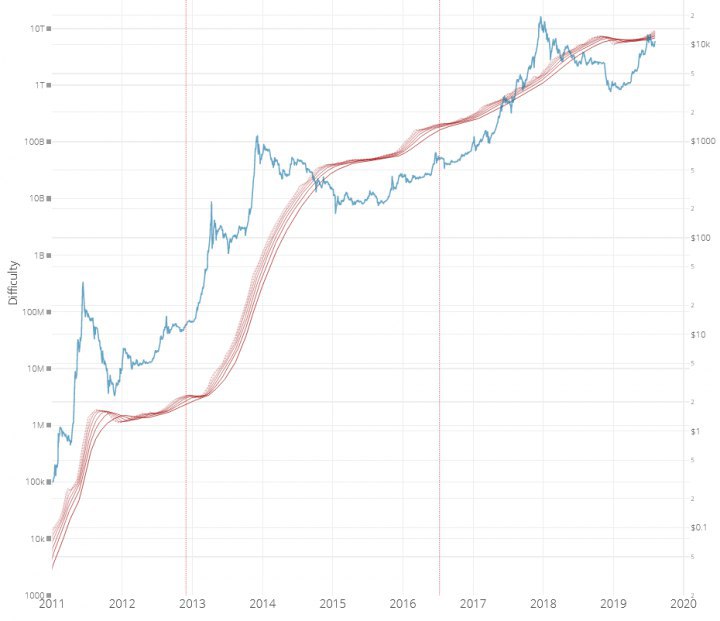
Following up on our previous overview of what three bitcoin market metrics showed last week, let’s take a look at a brand new indicator developed by the popular bitcoin analyst Willy Woo; the Bitcoin Difficulty Ribbon.
“The ribbon consists of simple moving averages on mining difficulty so we can easily see the rate of change in difficulty,” Woo tweeted recently, adding that when the ribbon compresses, or flips negative, these are the best time to buy in and get exposure to Bitcoin.
According to the indicator, the best buy opportunity occurred towards the end of last year, when the ribbon “flipped” shortly after the strong sell-off in November. Now, however, it seems that the ribbon has entered an expansion phase, meaning more and more miners are jumping on the bandwagon. (The Bitcoin mining difficulty increased almost 11% on Monday and is estimated to jump another 11% in 12 days, according to major Bitcoin mining pool BTC.com. Meanwhile, hashrate, or the computing power of the network, is at a record high now).
While understanding how to use this indicator is simple enough, the logic behind it is somewhat more complex.
What the indicator essentially tries to illustrate is that price bottoms often coincide with periods when large numbers of miners give up and stop mining Bitcoin. Miners giving up are indicated in the chart by the ribbon contracting, while an expanding ribbon means that more miners are joining in on the treasure hunt.
Woo explains this by saying that the “weakest” miners constantly need to sell off coins to cover their expenses and remain operational, putting downward pressure on prices. When these miners are no longer active, fewer coins are sold, and the market bottoms out.
At pixel time (11:24 UTC), bitcoin trades at c. USD 11,806 and is up by 1% in the past 24 hours, by 24% in the past week and by 6% in the past month. Earlier today, it even surpassed USD 12,200 before dropping almost 4% in an hour.
And here is the ribbon itself:
(The blue line is the price of bitcoin)
Hacked BITpoint Gives Details of Attack, Reopens Doors for Business
Hacked Japanese cryptocurrency exchange BITpoint has partially resumed trading – and says its investigation has found that criminals used malware to access the platform’s hot wallets.
The exchange was attacked last month, with hackers making off with some USD 32 million worth of cryptocurrencies, with a staggering 50,000 customers affected (about half of its total usership). More than half of the tokens were stolen from customer wallets, with the remainder coming from company funds.
But per a press release from Remixpoint, the loyalty points platform that operates BITpoint, trading, deposits and withdrawals of yen and other conventional currencies has now restarted.
The exchange says it will reimburse customers who have been affected by the hack in September.
BITpoint said that the hackers had used malware to access private keys on hot wallets in order to gain access to the funds. The company added that there was “no evidence” that the hackers had accessed the network using stolen passwords and user IDs, and said that “no leakage of user information” had taken place.
And BITpoint stated that its “partial suspension” of server operations had been done as a security measure. The company added it was conducting a full review of server access protocols, upgrading its anti-virus software and introducing measures that would help it monitor unauthorized access.
The company also says that it will resume over-the-counter (OTC) and margin trading services on Friday this week, with spot trading services starting up again a week today. Customers will be able to receive cryptocurrency deposits again as of October, with new accounts and any other remaining services starting up again after that.
Meanwhile, Jiji reports that the head of the Monex Group, Ohki Matsumoto, has declared he wants his company’s Coincheck exchange to list Facebook’s forthcoming Libra token – providing it is classified as a cryptocurrency, rather than a stablecoin, under Japanese law.
Matsumoto says that Coincheck’s recent listing of Monacoin has brought a lot of new customers to the platform, and is keen to add more pairings in the near future. The Monex chief has previously announced he wants his company to join the Libra Association, and has already filed a membership application with Facebook.

Bitcoin Eyeing Break While Altcoins Consolidate
👉Bitcoin price is trading with a bullish bias and is likely to surpass USD 12,000 and USD 12,200.
👉Ethereum is consolidating near USD 225 and ripple price is struggling to climb above USD 0.310.
👉Binance coin (BNB) price rallied more than 12% today and sur
After yesterday’s downside correction, bitcoin price found support near the USD 12,000 level. BTC/USD started a fresh increase and climbed back above the USD 11,500 resistance. The current price action is positive and it seems like the bulls are eyeing an upside break above the USD 12,000 and USD 12,200 resistance levels. On the other hand, most major altcoins remained in a bearish zone except binance coin. BNB price rallied more than 12% today and jumped above the USD 29.50 and USD 30.000 resistance levels. ETH/USD is consolidating near the USD 225 level, while XRP/USD is facing many resistances near USD 0.310 and USD 0.312.
Bitcoin price
After testing the USD 11,200 support area, bitcoin price started a solid upward move. BTC/USD climbed sharply above the USD 11,500 and USD 11,800 levels. At the outset, the price is trading (08:10 UTC) near the USD 12,000 resistance, above which there are chances of a strong rise above the USD 12,200 and USD 12,250 levels.
On the downside, an immediate support is near the USD 11,700 level. If the price fails to stay above USD 11,700, there is a risk of a fresh decline towards the USD 11,200 support level in the near term.
Ethereum price
Ethereum price stayed above the USD 220 support level and recently corrected above USD 223. ETH/USD is currently consolidating near the USD 225 level, with an immediate resistance near the USD 230 level.
A successful break above the USD 230 resistance could open the doors for a decent upward move towards the USD 240 and USD 245 levels. If the price fails to climb above USD 230, it might slide back towards USD 220 or even USD 212.
Bitcoin cash, eos and ripple price
Bitcoin cash price settled below the USD 340 level and recently tested the USD 330 support. BCH/USD is currently testing the USD 335 level and the bulls are facing hurdles near USD 340. If they succeed in clearing USD 340, there could be a strong upward move towards the USD 360 level.
EOS is holding the key USD 4.100 support level, but it is also facing a strong resistance near the USD 4.300 level. If the price settles above USD 4.300, it could start a fresh increase towards the USD 4.600 level in the coming sessions. If not, it remains at a risk of more losses below the USD 4.100 support.
Ripple price remained in a bearish zone and it recently settled below the USD 0.312 and USD 0.310 support levels, which are now acting as resistances. XRP/USD might continue to slide and it seems like it could even test the USD 0.302 support area.
Other altcoins market today
In the past three sessions, a few small cap altcoins climbed higher and gained more than 6%, including FST, IOST, BNB, ODE, XMX, EKT, WAX and VEST. Out of these, FST rallied close to 40% and IOST is up around 14%.
Overall, bitcoin price is likely to break the USD 12,200 resistance level in the near term. If BTC/USD fails to gain strength above USD 12,000, it could spark a strong bearish wave below the USD 11,800 and USD 11,500 support levels.
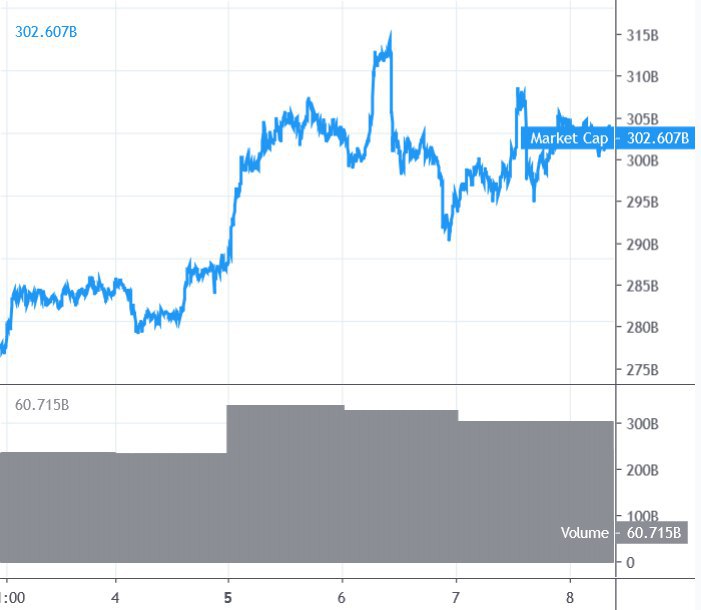
Total market capitalization:
Coinbase Hit with Bitcoin Cash Negligence Wrap, Kik Hits Back at SEC
An American court has ruled that cryptocurrency exchange Coinbase will be charged with negligence for allegedly botching the launch of the Bitcoin Cash (BCH) token.
Bloomberg reports that San Francisco District Judge Vince Chhabria described the launch as an “incompetence born of haste,” although he dismissed claims that the case should be handled in arbitration.
The judge also ruled that only buyers of BCH could move forward with claims against Coinbase, rejecting moves from sellers of the cryptocurrency.
Chhabria said the suit filed against the exchange gives a “plausible account that Coinbase breached its duty to maintain a functional market.”
Coinbase began USD trading in December 2017, but it suspended the service after just two minutes, claiming it had experienced “significant volatility,” and has been hit with allegations of “insider trading” as a result of the incident.
Meanwhile, Canadian messaging app Kik has filed a fierce response to the regulatory Securities and Exchange Commission (SEC) of the United States, who accuse Kik of making an illegal USD 100m initial coin offering (ICO) for the Kin (KIN) cryptocurrency.
Kik has responded to the lawsuit by saying, in a 131-page document, that the regulator has “repeatedly twisted” facts in its allegations.
Kik has accused the SEC of “misrepresenting the documents and testimony that the regulator gathered in its investigation,” and says the SEC has displayed an “apparent contempt for the idea that a company would sell a product to generate revenue.”

Ripple in 'Multiple' M&A Talks, Plans 100 New Contracts in 2019
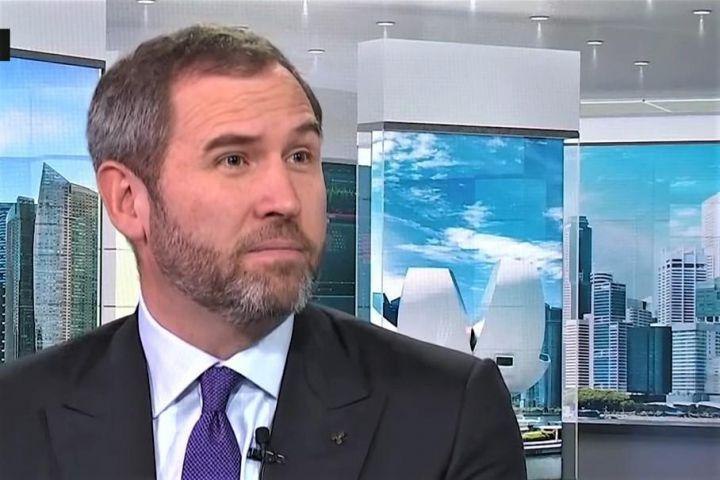
Ripple, a California-based major blockchain startup focusing on the banking sector, is in talks over "multiple" potential investments and acquisitions, CEO Brad Garlinghouse confirmed.
In an interview with Yahoo Finance UK on Friday, the CEO said that, when it comes to the areas Ripple is interested in, “anything we can do to accelerate our growth and give us more capabilities that serve customer needs is a good place to be.” However, he did not elaborate on the potential deals any further.
The CEO also estimates that some 100 new contracts will be signed this year, 20% of which will involve XRP and their xRapid product, that is powered by XRP, given that over 200 clients globally have signed contracts with Ripple so far, while the company is currently signing around two new financial institutions every week. Even banks that are using their technology but previously refused using XRP, are now willing to discuss it “because they see the value,” Garlinghouse said.
While deals are very hard to predict, Ripple has a strong position, business growth, and balance sheet, Garlinghouse added, stating that Ripple is probably the largest investor in blockchain and crypto "on the planet", making about USD 500 million of investments over the last 18 months. However, he did not specify what investments he's referring to.
One of the most-talked about deals happened this June, when Ripple made USD 30 million initial investment in the equity of major money transfer company MoneyGram, with the right to invest another USD 20 million over two years. As reported, MoneyGram has already started using Ripple’s xRapid in international payments, as agreed.
But Garlinghouse denied that the share price at 180% premium meant that Ripple had to pay MoneyGram to use xRapid and XRP, saying that he wouldn’t characterize it as an inducement. As more customers are signing up at the current speed and “we’re seeing that value”, he said, adding “If we want to accelerate that, we have the option of doing things that might be perceived and characterized by some as an inducement.” The private equity firm Thomas H. Lee Partners, which owned over 42% of the company, didn’t want to sell at market values, which resulted in a high deal price, he said. “If we wanted to buy more than a small percentage of the company, it was going to happen above market price,” said Garlinghouse.
The CEO also said that this deal is one of the first scaled use cases of a digital asset in production, and that “a year from now the Moneygram deal will have a more consequential impact on the crypto markets than the Libra white paper”, adding that he expected “over USD 1 billion of xRapid volume” by the end of 2020.
At pixel time (13:00 UTC), XRP trades at c. USD 0.297 and is down by more than 3% in the past 24 hours and by more than 5% in the past week. It's also down by 17% this year.
Another Macro Event That Could Move Bitcoin Is Happening This Fall
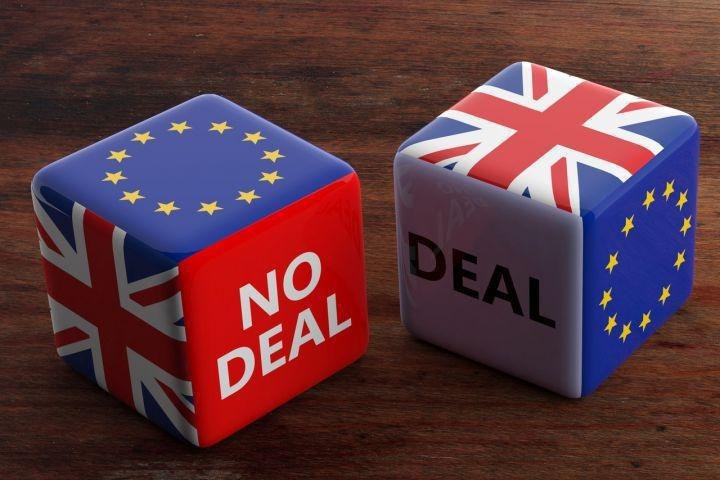
The potential for a “no-deal” scenario as the UK leaves the European Union in October of this year could drive bitcoin to new highs, some industry players estimate.
As many have already experienced first-hand, the British pound has lost a fair amount of value against both the euro and the U.S. dollar as fears build up that a no-deal Brexit may in fact happen. And as the bitcoin-as-a-safe-haven theory goes, the digital asset should become more attractive for investors as the value of their national fiat currencies go down.
Speaking with British newspaper The Independent, Nicholas Gregory, CEO of blockchain firm CommerceBlock said that “bitcoin has rediscovered its mojo this year,” and that a no-deal scenario “could see a massive and unprecedented breakout” for the bitcoin price.
“Not only will a no-deal departure from the EU create turmoil and volatility across two major fiat currencies, it will also trigger an identity crisis for the global system as the contingency and vulnerability of major global fiat currencies is laid bare,” he added.
However, the newspaper also reminded that bitcoin is not tied to any one country, but instead has a “borderless and decentralized infrastructure.” As a result, it is much less prone to what happens in a single country than what one might expect, with the possible exception of very large countries like China and the U.S.
A no-deal Brexit does nonetheless have significant implications, most likely extending beyond the UK’s own borders. And with the entry of Britain’s new prime minister Boris Johnson, who is a well-known Brexit hardliner, a no-deal scenario has become more likely than before.
According to Gregory, this could help “cement” bitcoin’s status as a financial safe-haven: “Come 2020, we expect an increasingly populist and politically unstable world to cement the safe haven status of bitcoin and other cryptocurrencies more generally,” he said.
Meanwhile, Alon Rajic, the CEO of MoneyTransferComparison.com, told Cryptonews.com earlier this year that a disorderly Brexit combined with a global bear market could "push assets like cryptocurrency and gold to new heights." However, he warned that if the crypto market fails to capitalize on a Brexit-aided global downturn, "then it might as well be its burial ceremony because speculators will assume that bitcoin and other leading cryptocurrencies are not the safe haven for investors as they hoped."
Is China on the Verge of Releasing a Digital Fiat?
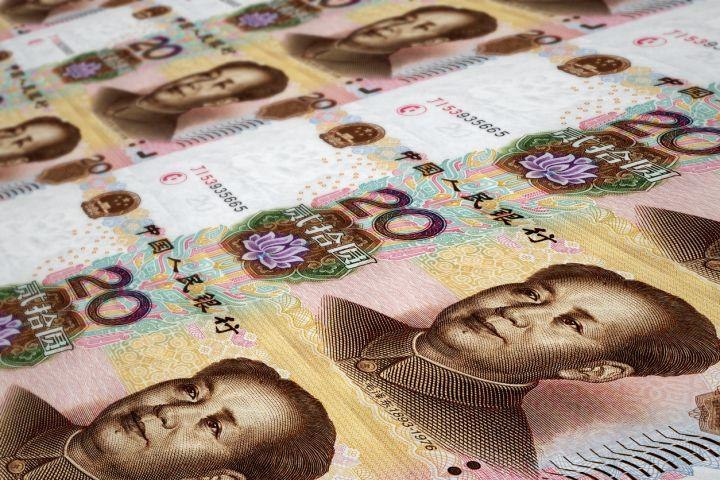
China’s central bank has revealed details of a plan to issue a blockchain-powered digital fiat – and appears to be assembling a host of resources and personnel to speed up the process.
Per a report from Beijing Business Today (republished by Shina), the deputy director of the People’s Bank of China (PBoC)’s Payment and Settlement Department, Mu Chang Chun, has confirmed that the bank has been working on releasing a digital fiat since 2014, and is now “ready” to roll the currency out.
The newspaper also says it has discovered the central bank is actively recruiting talent and acquiring or investing in blockchain technology firms in the country – perhaps preparing the ground for a forthcoming launch.
However, it looks like the central bank wants to be as hands-on as possible with its new fiat. Mu spoke of a “two-tier system,” whereby the PBoC issues tokens to commercial banks and other financial institutions in the country, who then distribute them for public use. Mu said this was very different from a “single-tier” system, whereby the central bank released tokens directly to the public.
Using commercial banks as an intermediary, he stated, would help reduce any risk involved in the project. He also added that the PBoC’s goal with the project was to radically change the existing money supply models banks currently use to cut down on waste and money laundering.
The report also states that “external factors” have provided a reason for the PBoC to “work overtime” on the development of its new digital currency in the past year – with tens of blockchain and digital currency patents filed within the space of the past 12 months.
The same media outlet reports that a central bank-funded subsidiary named Shenzhen Financial Technology appears to be particularly active. The company last week posted job ads for 31 blockchain researchers and engineers, offering salaries some 20%-30% higher than average for blockchain specialists in mainland China. The company also appears to have made investments in fintech enterprises located around the country.
Meanwhile, as reported, Beijing is possibly slowly starting to rethink its policy towards cryptocurrency as The Bank of China, one of the four biggest state-owned commercial banks (not the be confused with the PBoC), has released an overall positive infographic that explains what Bitcoin is, how it is used and what causes Bitcoin price fluctuations. Moreover, Chinese tech giants like gaming firm Tencent and e-commerce platform Alibaba are reportedly waiting in the wings, ready to help authorities work on blockchain-powered tokens.
Coinbase UK Ditches Zcash, Founder Insists Coin is Compliant
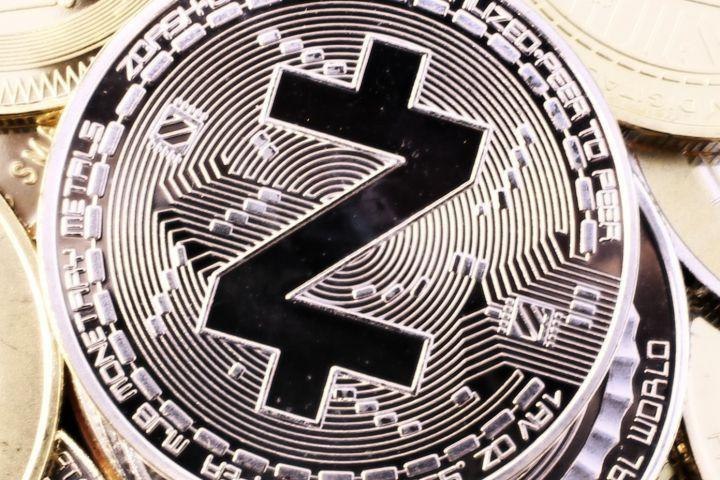
The UK-based branch of popular American crypto exchange Coinbase is de-listing Zcash (ZEC) from its trading platform, an email sent out to clients late last week revealed.
According to the email, the privacy-focused cryptocurrency will be removed effective August 26, 2019. All clients are asked to either sell or convert their ZEC holding to another supported asset by that date. Failure to do so will lead to any remaining ZEC being automatically liquidated to British Pounds, the update said.
It is not known what the reason for the sudden removal of Zcash from the UK-based exchange is, but some speculate that it could be due to pressure from the British authorities. According to media reports, the UK tax authority HM Revenue & Customs (HMRC) have asked several crypto exchanges operating in the UK for customer and transaction data.
The exchanges that have received letters from the HMRC demanding information include Coinbase, eToro, and CEX.IO. And as Coinbase may have experienced, obtaining accurate transaction data – especially for transactions occurring outside of the exchange – may prove difficult with privacy-focused coins like Zcash.
However, Electric Coin Company, the firm behind Zcash, insists that the privacy coin is compliant, tweeting on Saturday that Zcash is “100% compatible” with UK know-your-customer (KYC) and anti-money laundering (AML) regulations. The team also pointed out that UK residents can still buy Zcash on other exchanges, including CEX.IO.
This Might be the Real Reason Why Coinbase UK Delisted Zcash
The UK branch of major American cryptocurrency exchange Coinbase had to change its bank and a new partner is reportedly not willing to indirectly support privacy coins, such as Zcash (ZEC).
For unknown reasons, Barclays, the UK-based major bank, is no longer working with Coinbase, while the exchange has already found a new banking partner, Clearbank, one of the U.K. “challenger banks,” Coindesk reported, citing undisclosed people familiar with the situation.
A person familiar with the decision to delist Zcash said it was “completely to do with the new bank,” the report added.
Moreover, the end of the relationship with Barclays, disrupted Coinbase’s access to U.K. Faster Payments Scheme (FPS) – which in turn slowed deposits and withdrawals in GBP for U.K. customers, which now take days to process, it said. However, Clearbank is expected to restore Coinbase’s FPS access by the end of the third quarter, according to the report.
All involved companies declined to comment.
As reported, Zcash will be removed from Coinbase UK on August 26. All clients are asked to either sell or convert their ZEC holding to another supported asset by that date. Failure to do so will lead to any remaining ZEC being automatically liquidated to British Pounds.
At pixel time (05:01 UTC), ZEC trades at c. USD 56 and is down by 1% in the past 24 hours and by 10% in the past week.

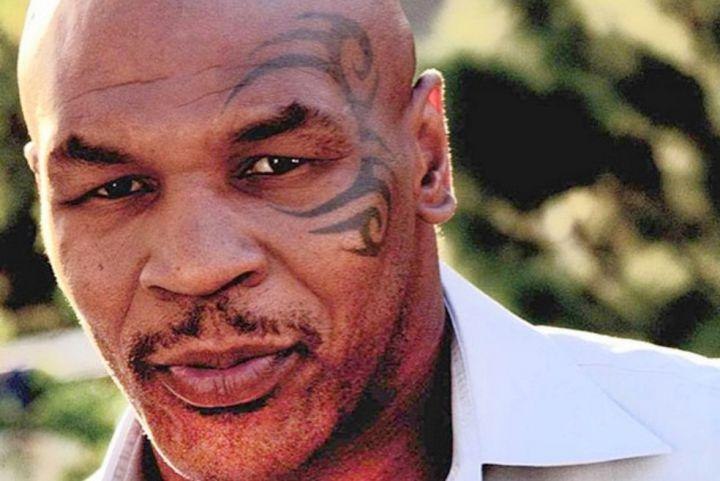
How Mike Tyson Made Headlines in Cryptoland without Even Knowing It
The crypto news sites reported on Tuesday that a cryptocurrency offering is coming the cryptoland’s way, supposedly backed by the (in)famous boxer Mike Tyson - a project which reportedly turned out to be a fraud.
Unfortunately, even the crypto journalists can be fooled by scams from time to time. This time, at least a couple of news sites reported that the cryptoland is about to see a new and exciting entertainment platform, called Fight to Fame, which has behind it some major star power in the form of Mike Tyson. The site itself features the enticing words “coming soon” above a countdown clock, which right now shows that there is 20h left before the beginning of the project. But what exactly is the project?
According to what VentureBeat reported and what Cointelegraph reported, the purpose of the platform is to make fighters more influential, recognized, and in possession of more of their money through live matches, film, games, reality TV, social media, and betting, while blockchain “is like the glue that holds it all together.”
However, as Mondern Consensus rediscovered, cryptocurrency research firm Cointelligence wrote a detailed exposé about this very platform back in May, saying that this cryptocurrency project “with grand schemes to have competition-reality-show-like fights around the world, is in fact created and supported” by a fugitive wanted by the Interpol and the Chinese refulatory authorities, called Jianxiang Shi (aka Morgan), for allegedly defrauding “billions from ordinary Chinese in 2016 in a massive financial Ponzi scheme.”
Among many other wild claims, Fight to Fame Organizing Committee lists Tyson as the founder and the chairman of the organizing committee who is supposed to invite the major stars Silvester Stallone, Jet Li, Dwayne ‘The Rock’ Johnson, and Arnold Schwarzenegger to join.
Though the salespeople within the project use Mike Tysons’s name when traveling to various blockchain conferences around the world, “seeking millions of dollars in funding (and an eye to a future initial coin offering (ICO) or Security Token Offering (STO)) of so-called “Tyson Token,”” according to the research, Tyson is not a part of the project in any way.
Cointelligence claims that Shi and his associates have been using a video “they got Mike Tyson to record on the fly in early 2018 – without, that is, Mr. Tyson realizing the actual implications of the token scheme into which he was getting himself involved,” the utilization of which allegedly shocked Tyson.
Cointelligence shows a cease-and-desist letter sent by Tyson’s attorneys to Shi (Morgan), two of his associates and the Moregain Capital Group, which stated that they’ve all committed a “wrongful and tortious misappropriation of Mr. Tyson’s name, voice, photograph, and likeness … for commercial purposes without his consent in connection with the exploitation of purported ‘Tyson Token’-branded cryptocurrency (the ‘Illegal Product’)”, demanding that they immediately stop these actions.