
Umreth
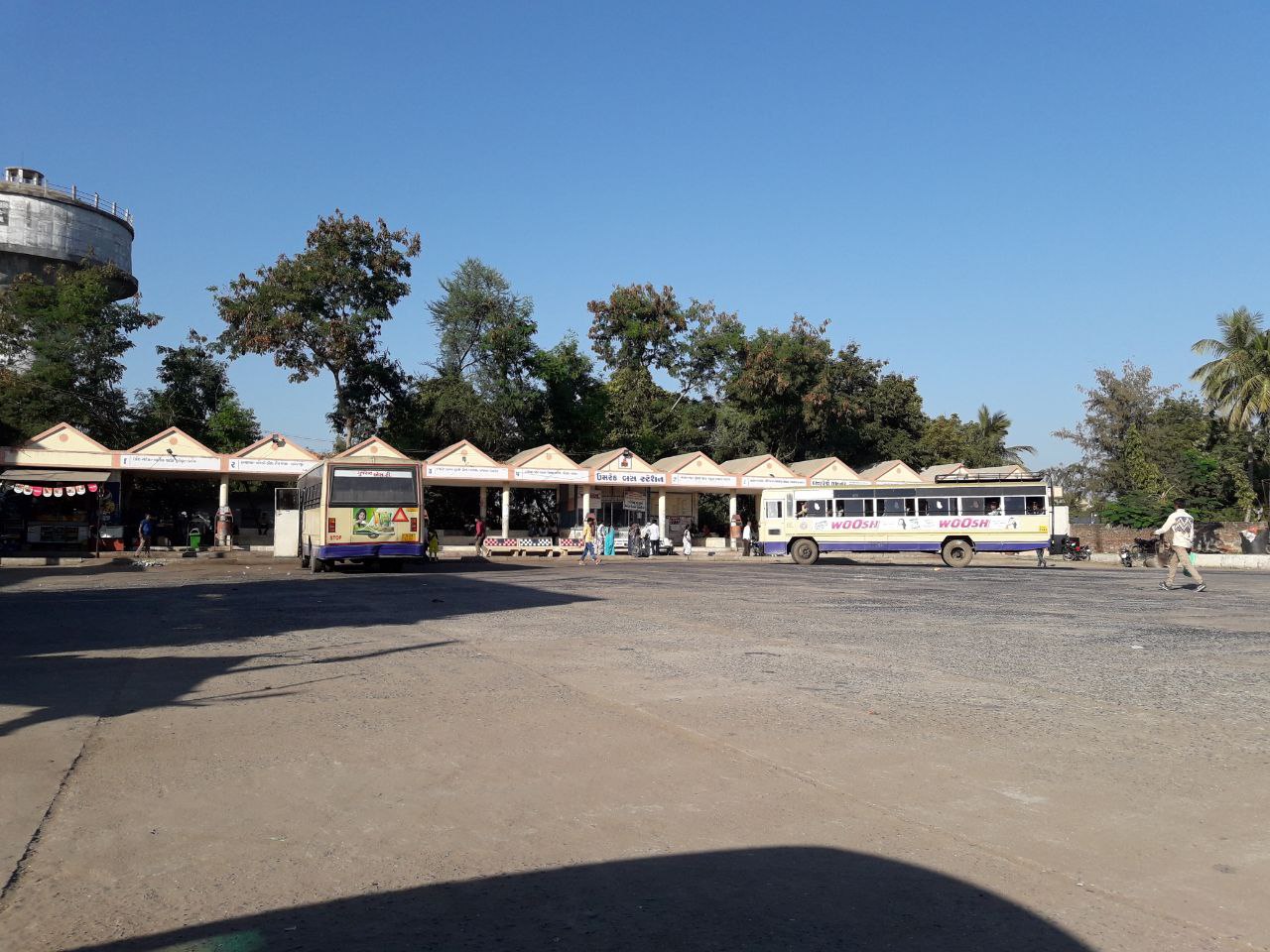
Umreth (Gujarati: ઉમરેઠ) is a taluka and the administrative center of Anand District in the state of Gujarat, India. It is administered by Umreth Nagarpalika. It is part of the region known as Charotar, located in Anand and Kheda districts. Umreth is also known as the Silk City of Charotar. It became famous for silk sarees and its Pol culture. It commonly looks like Harappa architecture. Umreth lines between Dwarka, Nadiad and Dakor on the State Highway known as “PragatiPath”. It is connected with Baroda, Anand, Nadiad, Ahmedabad, Godhra, Kapadvanj, and Balasinor via roadway. The railway line is broad gauge connecting it to Godhra, covering the Dakor route from Anand. You may Visit Blog Regarding Umreth By Vivek Doshi of Umreth. Umreth has seen rapid economic growth along the Umreth-Dakor and Nadiad-Dakor road belt. Umreth has an own GIDC Estate, Mainly timber industries and Mamra (Puffed Rice) industries are well developed in Umreth. But still puffed rice industries need support from the government to stay viable.
━━━━━━━━━━━━
🌞 @Gujarat 🦁
Umreth (Gujarati: ઉમરેઠ) is a taluka and the administrative center of Anand District in the state of Gujarat, India. It is administered by Umreth Nagarpalika. It is part of the region known as Charotar, located in Anand and Kheda districts. Umreth is also known as the Silk City of Charotar. It became famous for silk sarees and its Pol culture. It commonly looks like Harappa architecture. Umreth lines between Dwarka, Nadiad and Dakor on the State Highway known as “PragatiPath”. It is connected with Baroda, Anand, Nadiad, Ahmedabad, Godhra, Kapadvanj, and Balasinor via roadway. The railway line is broad gauge connecting it to Godhra, covering the Dakor route from Anand. You may Visit Blog Regarding Umreth By Vivek Doshi of Umreth. Umreth has seen rapid economic growth along the Umreth-Dakor and Nadiad-Dakor road belt. Umreth has an own GIDC Estate, Mainly timber industries and Mamra (Puffed Rice) industries are well developed in Umreth. But still puffed rice industries need support from the government to stay viable.
━━━━━━━━━━━━
🌞 @Gujarat 🦁
🔥2❤1👍1
Bai Harir Ni Vav
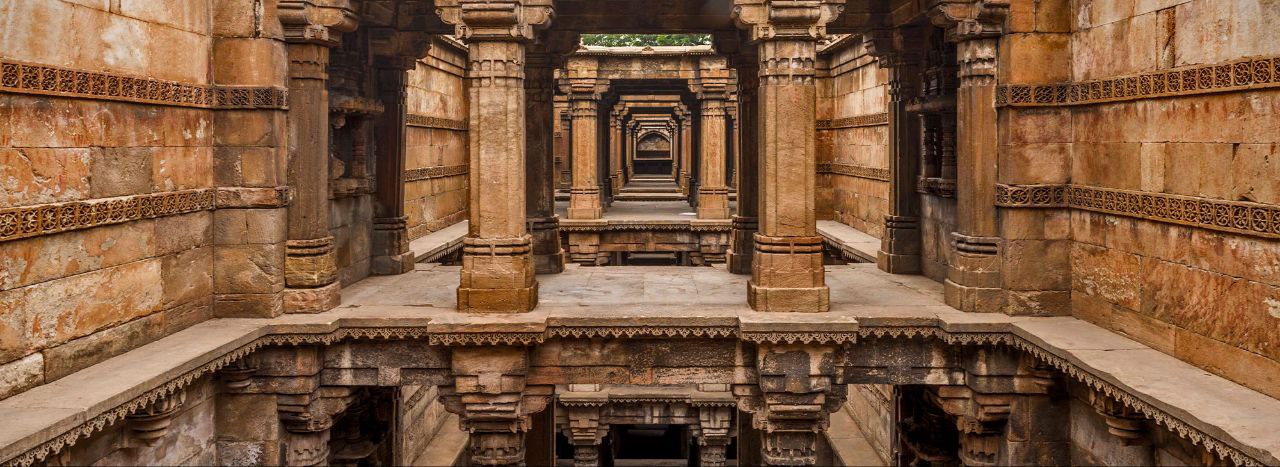
Bai Harir ni Vav lies 15 km from the centre of Ahmedabad city. This step-well, built in 1499 under the supervisor of Sultan Begada’s harem, has steps down through five levels of carved stone columns to two small wells, now often bone dry. The depths are cool, even on the hottest day, and it’s a fascinating and eerie place. Overflow channels at the top are a reminder of times when water tables were much higher than today. Behind the step-well, the 16th-century Dai Halima Mosque contains the mausoleum of a royal midwife named Halima, with elegant jali screens. The monument is off the beaten track and is one of the most soothing locations of the city.
Persian and Sanskrit inscriptions on the walls tell the legend of the monument. It is said that Dhai Harir (also known as Bai Harir Sultani), a household lady of Mahmud Begada, commissioned this stepwell. She built a mosque alongside and a small tomb, in which she was buried.
━━━━━━━━━━━━
🌞 @Gujarat 🦁
Bai Harir ni Vav lies 15 km from the centre of Ahmedabad city. This step-well, built in 1499 under the supervisor of Sultan Begada’s harem, has steps down through five levels of carved stone columns to two small wells, now often bone dry. The depths are cool, even on the hottest day, and it’s a fascinating and eerie place. Overflow channels at the top are a reminder of times when water tables were much higher than today. Behind the step-well, the 16th-century Dai Halima Mosque contains the mausoleum of a royal midwife named Halima, with elegant jali screens. The monument is off the beaten track and is one of the most soothing locations of the city.
Persian and Sanskrit inscriptions on the walls tell the legend of the monument. It is said that Dhai Harir (also known as Bai Harir Sultani), a household lady of Mahmud Begada, commissioned this stepwell. She built a mosque alongside and a small tomb, in which she was buried.
━━━━━━━━━━━━
🌞 @Gujarat 🦁
❤2🔥2👍1
Keshod Airport (IXK)
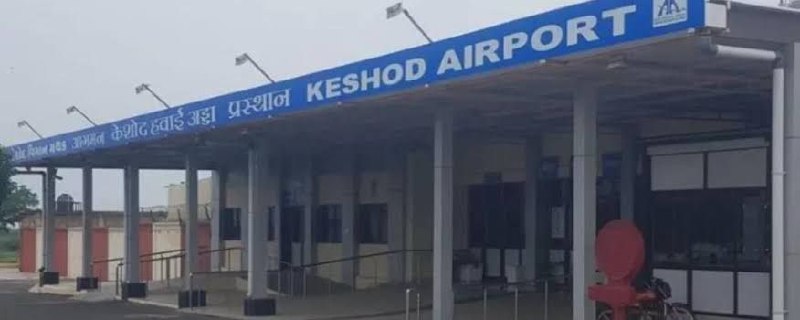
Serving the city of Junagadh and Veraval is the Keshod Airport, located in Keshod, Gujarat. The airport was built by Nawab of Junagadh (Mahabhatkanji |||) for his private use. In the 1980s, the airport was made public and flights were scheduled. However, in the year 2000, Jet Airways, the only airline serving the port at that time, ceased its operations. Thus currently there are no flights functioning on the airport.
━━━━━━━━━━━━
🌞 @Gujarat 🦁
Serving the city of Junagadh and Veraval is the Keshod Airport, located in Keshod, Gujarat. The airport was built by Nawab of Junagadh (Mahabhatkanji |||) for his private use. In the 1980s, the airport was made public and flights were scheduled. However, in the year 2000, Jet Airways, the only airline serving the port at that time, ceased its operations. Thus currently there are no flights functioning on the airport.
━━━━━━━━━━━━
🌞 @Gujarat 🦁
👍2🔥2❤1
Hotel Aram
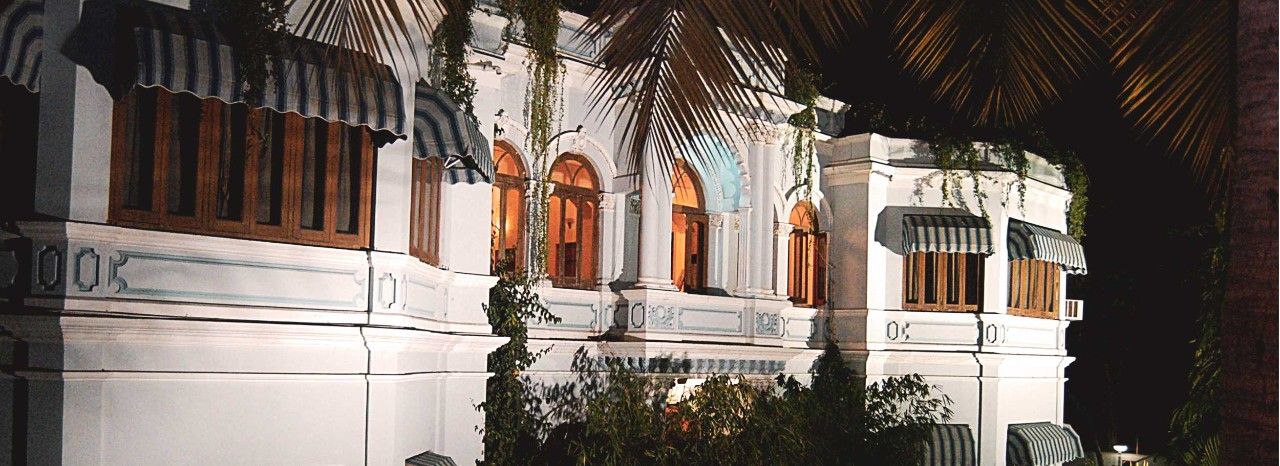
Hotel Aram is a charming heritage building that once belonged to the Jadejas of Nawanagar State. Legend has it that Jam Rawal, a descendent of the Jadeja ruler of Kutch, witnessed a hare chase his hounds while on a hunt. Impressed by the bravery and tenacity of such a timid creature, he founded his capital right at that spot, and called it Nawanagar or ‘new town’. Since it served as the capital of the Jam Sahebs, it came to be known as Jamnagar.
The colonial era two-storey building is built in Art Deco style that boasts of impressive Burmese woodwork on the ceiling, balustrades and doorframes with striped window awnings. Run as a heritage hotel for the past 40 years, the building is a major landmark. Despite the classical shell, the rooms have been recently renovated with modern trappings and choice of categories — from suites (Royal, Imperial, Executive) to deluxe and standard rooms. Breakfast is complimentary and the rooftop restaurant 360 gives an all-round view of town — an ideal perch in the evening. Set in the heart of the city Ranmal or Lakhota Lake, is a favourite haunt for locals and visitors alike.
━━━━━━━━━━━━
🌞 @Gujarat 🦁
Hotel Aram is a charming heritage building that once belonged to the Jadejas of Nawanagar State. Legend has it that Jam Rawal, a descendent of the Jadeja ruler of Kutch, witnessed a hare chase his hounds while on a hunt. Impressed by the bravery and tenacity of such a timid creature, he founded his capital right at that spot, and called it Nawanagar or ‘new town’. Since it served as the capital of the Jam Sahebs, it came to be known as Jamnagar.
The colonial era two-storey building is built in Art Deco style that boasts of impressive Burmese woodwork on the ceiling, balustrades and doorframes with striped window awnings. Run as a heritage hotel for the past 40 years, the building is a major landmark. Despite the classical shell, the rooms have been recently renovated with modern trappings and choice of categories — from suites (Royal, Imperial, Executive) to deluxe and standard rooms. Breakfast is complimentary and the rooftop restaurant 360 gives an all-round view of town — an ideal perch in the evening. Set in the heart of the city Ranmal or Lakhota Lake, is a favourite haunt for locals and visitors alike.
━━━━━━━━━━━━
🌞 @Gujarat 🦁
❤2🔥2👍1
Tambekar Wada
The 140-year old Tambekar Wada in the Raopura Area showcases three storeys of 19th century murals. The decaying but fascinating building is a window into erstwhile Maratha architecture. Built around a courtyard, there are two wings of the home – the front and the residence. Delicate woodwork and weathered paintings embellish the home. The paintings are done in the tempera on dry lime with the use of water-based pigments. The building was the former residence of the Diwan of Baroda, Bhau Tambekar. It later took on the role of a school which was subsequently shifted.
━━━━━━━━━━━━
🌞 @Gujarat 🦁
The 140-year old Tambekar Wada in the Raopura Area showcases three storeys of 19th century murals. The decaying but fascinating building is a window into erstwhile Maratha architecture. Built around a courtyard, there are two wings of the home – the front and the residence. Delicate woodwork and weathered paintings embellish the home. The paintings are done in the tempera on dry lime with the use of water-based pigments. The building was the former residence of the Diwan of Baroda, Bhau Tambekar. It later took on the role of a school which was subsequently shifted.
━━━━━━━━━━━━
🌞 @Gujarat 🦁
🔥2❤1👍1
Nazarbaug Palace
Nazarbaug Palace or Nazar Bāgh Palace was the Gaekwad's royal palace in the city of Vadodara, Gujarat state, western India. Located in the heart of the city, the palace was built by Malhar Rao Gaekwad in 1871. Considered to be the oldest palace in Baroda, in its later years it was used as a treasury and was still the first choice of the royal family for conducting large-scale ceremonies, including the coronation of Sir Sayajirao Gaekwad III. The Palace had a classic look, so in Gujarati it was told about its look as 'Nazar Na Laage' (may it be protected from the evil eye) from which it was named Nazar. The Palace also had beautiful garden from which its name included "baug". So it was named as Nazarbaug Palace.
━━━━━━━━━━━━
🌞 @Gujarat 🦁
Nazarbaug Palace or Nazar Bāgh Palace was the Gaekwad's royal palace in the city of Vadodara, Gujarat state, western India. Located in the heart of the city, the palace was built by Malhar Rao Gaekwad in 1871. Considered to be the oldest palace in Baroda, in its later years it was used as a treasury and was still the first choice of the royal family for conducting large-scale ceremonies, including the coronation of Sir Sayajirao Gaekwad III. The Palace had a classic look, so in Gujarati it was told about its look as 'Nazar Na Laage' (may it be protected from the evil eye) from which it was named Nazar. The Palace also had beautiful garden from which its name included "baug". So it was named as Nazarbaug Palace.
━━━━━━━━━━━━
🌞 @Gujarat 🦁

👍2🔥2❤1
Navghan Kuwo
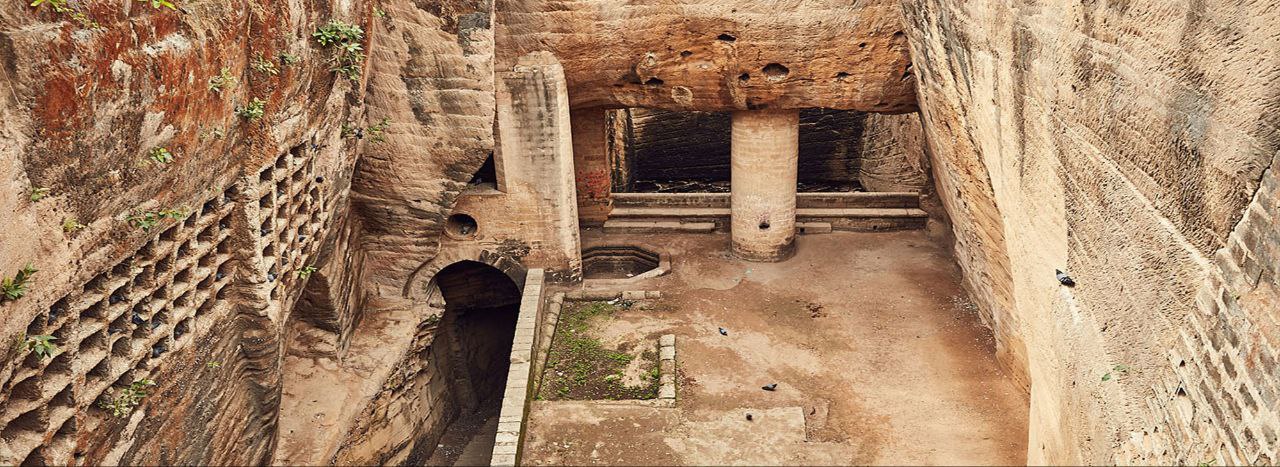
These two stepwells inside Uparkot, are highly unusual forms of stepwells, very different from wells in other parts of Gujarat. Most wells are dug through various kinds of subsoils and rock layers, and stone columns, floors, stairs and walls are built much like they would be in above-ground construction. In the case of these two, the spaces of the well itself were carved out of stone, leaving the structure of the well (the columns, the walls, etc.) out of the original rock. This means no structural construction is done, so the whole structure of the well is hewn out of a single stone.
Navghan Kuwo, just a few years shy of being a thousand years old (it was apparently built in 1026 AD, though some accounts say it is much older), is partly hewn out of soft rock and partly built up structurally like other wells. The stairs that lead down 52 m (170 ft.) to the water level spiral around the well shaft itself, which is also very uncommon. The water from Navghan Kuwo is what allowed Uparkot to withstand many long sieges.
━━━━━━━━━━━━
🌞 @Gujarat 🦁
These two stepwells inside Uparkot, are highly unusual forms of stepwells, very different from wells in other parts of Gujarat. Most wells are dug through various kinds of subsoils and rock layers, and stone columns, floors, stairs and walls are built much like they would be in above-ground construction. In the case of these two, the spaces of the well itself were carved out of stone, leaving the structure of the well (the columns, the walls, etc.) out of the original rock. This means no structural construction is done, so the whole structure of the well is hewn out of a single stone.
Navghan Kuwo, just a few years shy of being a thousand years old (it was apparently built in 1026 AD, though some accounts say it is much older), is partly hewn out of soft rock and partly built up structurally like other wells. The stairs that lead down 52 m (170 ft.) to the water level spiral around the well shaft itself, which is also very uncommon. The water from Navghan Kuwo is what allowed Uparkot to withstand many long sieges.
━━━━━━━━━━━━
🌞 @Gujarat 🦁
🔥3❤2👍2
Rajpipla
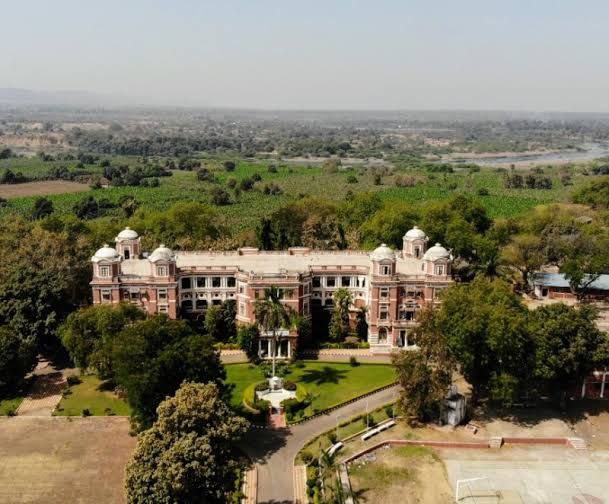
Rajpipla is a town and a municipality in the Narmada district in the Indian state of Gujarat. Bhil population gave it the name Rajpipla for the ruler resided first under a pipal tree. Rajpipla was known as Nandipuri during the rule of Gurjara kings, when it was the capital of the Lata kingdom. A later form of the name Nandol and Nandod have also been in use in medieval times.
━━━━━━━━━━━━
🌞 @Gujarat 🦁
Rajpipla is a town and a municipality in the Narmada district in the Indian state of Gujarat. Bhil population gave it the name Rajpipla for the ruler resided first under a pipal tree. Rajpipla was known as Nandipuri during the rule of Gurjara kings, when it was the capital of the Lata kingdom. A later form of the name Nandol and Nandod have also been in use in medieval times.
━━━━━━━━━━━━
🌞 @Gujarat 🦁
🔥4❤3👍2
Arvind Indigo Museum
A captivating tribute to Indigo, derived from the Greek indikon, meaning India, the Arvind Indigo Museum was established in 2019 by Ahmedabad’s Lalbhai family, who played a pioneering role in revitalizing natural indigo when in 1987, the Lalbhai family-led Arvind Mills became the first Indian business to produce denim. The museum, spanning over 15,000 square feet, hosts large-scale installations across various media. These works, commissioned by the Lalbhai family, celebrate the prized commodity and showcase its unique properties. Among the esteemed artists contributing to this display are Alwar Balasubramaniam, G. R. Iranna, Manisha Parekh, Nalini Malani, Amit Ambalal, Sheetal Ghattani, Umang Hutheesing, Pandit Khairnar, alongside a selection of exciting young talent including Manish Nai, Tanya Goel, Sachin Tekade, Nibha Sikander, Bhagyashree Suthar, Meesha Holley, Swapnil Pandeya, Kavin Mehta and Vyom Mehta.
━━━━━━━━━━━━
🌞 @Gujarat 🦁
A captivating tribute to Indigo, derived from the Greek indikon, meaning India, the Arvind Indigo Museum was established in 2019 by Ahmedabad’s Lalbhai family, who played a pioneering role in revitalizing natural indigo when in 1987, the Lalbhai family-led Arvind Mills became the first Indian business to produce denim. The museum, spanning over 15,000 square feet, hosts large-scale installations across various media. These works, commissioned by the Lalbhai family, celebrate the prized commodity and showcase its unique properties. Among the esteemed artists contributing to this display are Alwar Balasubramaniam, G. R. Iranna, Manisha Parekh, Nalini Malani, Amit Ambalal, Sheetal Ghattani, Umang Hutheesing, Pandit Khairnar, alongside a selection of exciting young talent including Manish Nai, Tanya Goel, Sachin Tekade, Nibha Sikander, Bhagyashree Suthar, Meesha Holley, Swapnil Pandeya, Kavin Mehta and Vyom Mehta.
━━━━━━━━━━━━
🌞 @Gujarat 🦁

👍4🔥3❤2
Vadnagar railway station
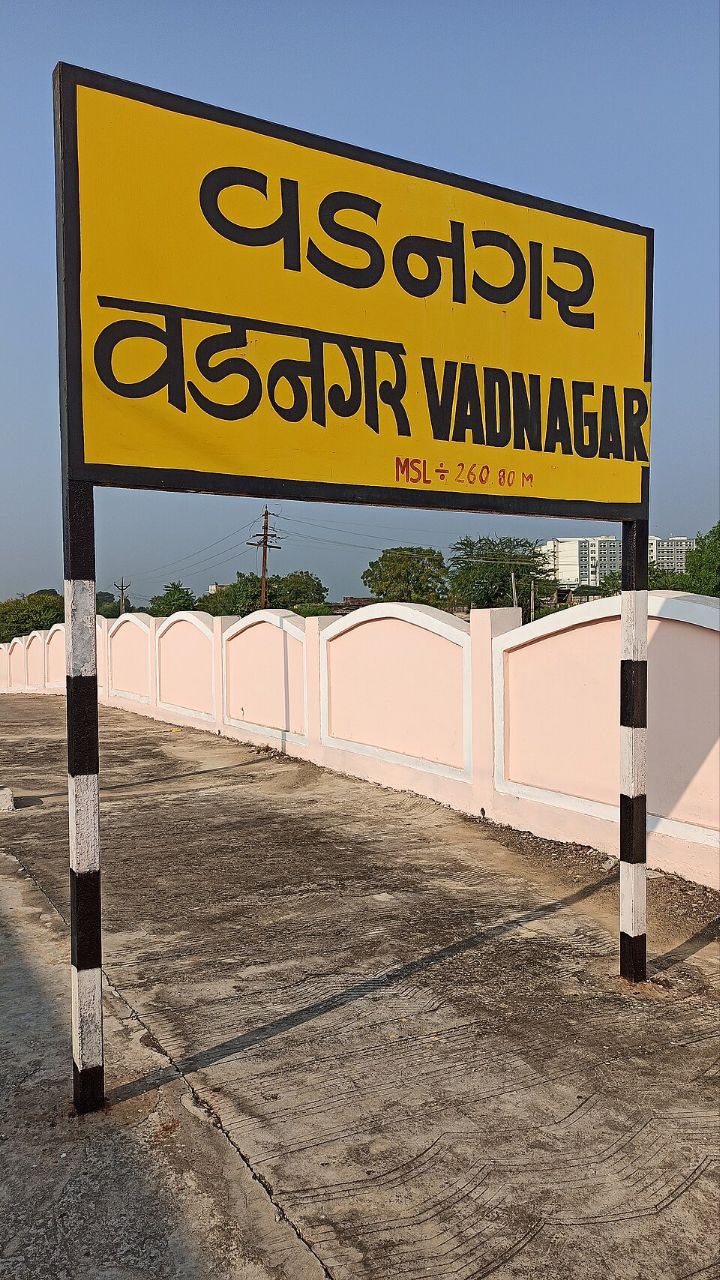
Vadnagar railway station (station code: VDG) is a railway station in Vadnagar, Mehsana district, Gujarat. Vadnagar railway station is on the Mahesana–Taranga Hill line, a branch railway line. It is under the Ahmedabad railway division of Western Railway zone of Indian Railways. It is located 156 metres (512 ft) above mean sea level. The nearest railway junction is Mahesana Junction railway station and the nearest passenger airport is Sardar Vallabhbhai Patel International Airport at Ahmedabad
In 1881, the Government of Bombay addressed His Highness’ Government of Baroda State for the construction of feeder lines in Kadi after the completion of Dabhoi Railway. In Kadi, a network of railway line was spread out. The Government of Bombay and the government of Baroda State, sanctioned the Mehsana–Viramgam line in 1889. The Mehsana–Taranga Hill metre-gauge line was opened for traffic from 1887 to 1909. The line is 57 km. in length. The Mehsana–Vadnagar section was opened to traffic on 21 March 1887, Vadnagar–Kheralu section was opened on 12 Dec 1888 and Kheralu–Taranga Hill section was opened on 20 Aug 1909.
━━━━━━━━━━━━
🌞 @Gujarat 🦁
Vadnagar railway station (station code: VDG) is a railway station in Vadnagar, Mehsana district, Gujarat. Vadnagar railway station is on the Mahesana–Taranga Hill line, a branch railway line. It is under the Ahmedabad railway division of Western Railway zone of Indian Railways. It is located 156 metres (512 ft) above mean sea level. The nearest railway junction is Mahesana Junction railway station and the nearest passenger airport is Sardar Vallabhbhai Patel International Airport at Ahmedabad
In 1881, the Government of Bombay addressed His Highness’ Government of Baroda State for the construction of feeder lines in Kadi after the completion of Dabhoi Railway. In Kadi, a network of railway line was spread out. The Government of Bombay and the government of Baroda State, sanctioned the Mehsana–Viramgam line in 1889. The Mehsana–Taranga Hill metre-gauge line was opened for traffic from 1887 to 1909. The line is 57 km. in length. The Mehsana–Vadnagar section was opened to traffic on 21 March 1887, Vadnagar–Kheralu section was opened on 12 Dec 1888 and Kheralu–Taranga Hill section was opened on 20 Aug 1909.
━━━━━━━━━━━━
🌞 @Gujarat 🦁
🔥2❤1👍1
Amdavad Municipal Corporation
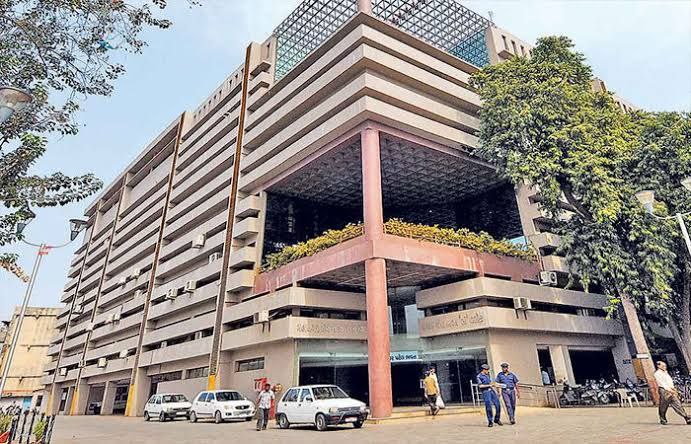
Amdavad Municipal Corporation (AMC) was established in July 1950 under the Bombay Provincial Corporation Act (1949), is responsible for the civic infrastructure and administration of the city of Ahmedabad. On 21 April 1831, the collector of the city, Mr. Bordel formed 'Town Wall Fund Committee' comprising the citizens of Ahmedabad with aim of raising fund to repair and renovate the fort of Ahmedabad damaged in floods. The committee levied 1% tax on the sale of various commodities such as ghee. It raised 2 lakh rupees and repaired the fort. The Ahmedabad Municipality was founded in 1873.[4] The British Government nominated Ranchhodlal Chhotalal as the first president of the municipality on 15 September 1885. The republic municipality was formed on 1 April 1915. Bhaishankar Nanabhai was the first elected president of the municipality.
━━━━━━━━━━━━
🌞 @Gujarat 🦁
Amdavad Municipal Corporation (AMC) was established in July 1950 under the Bombay Provincial Corporation Act (1949), is responsible for the civic infrastructure and administration of the city of Ahmedabad. On 21 April 1831, the collector of the city, Mr. Bordel formed 'Town Wall Fund Committee' comprising the citizens of Ahmedabad with aim of raising fund to repair and renovate the fort of Ahmedabad damaged in floods. The committee levied 1% tax on the sale of various commodities such as ghee. It raised 2 lakh rupees and repaired the fort. The Ahmedabad Municipality was founded in 1873.[4] The British Government nominated Ranchhodlal Chhotalal as the first president of the municipality on 15 September 1885. The republic municipality was formed on 1 April 1915. Bhaishankar Nanabhai was the first elected president of the municipality.
━━━━━━━━━━━━
🌞 @Gujarat 🦁
🔥2❤1👍1
Chir batti
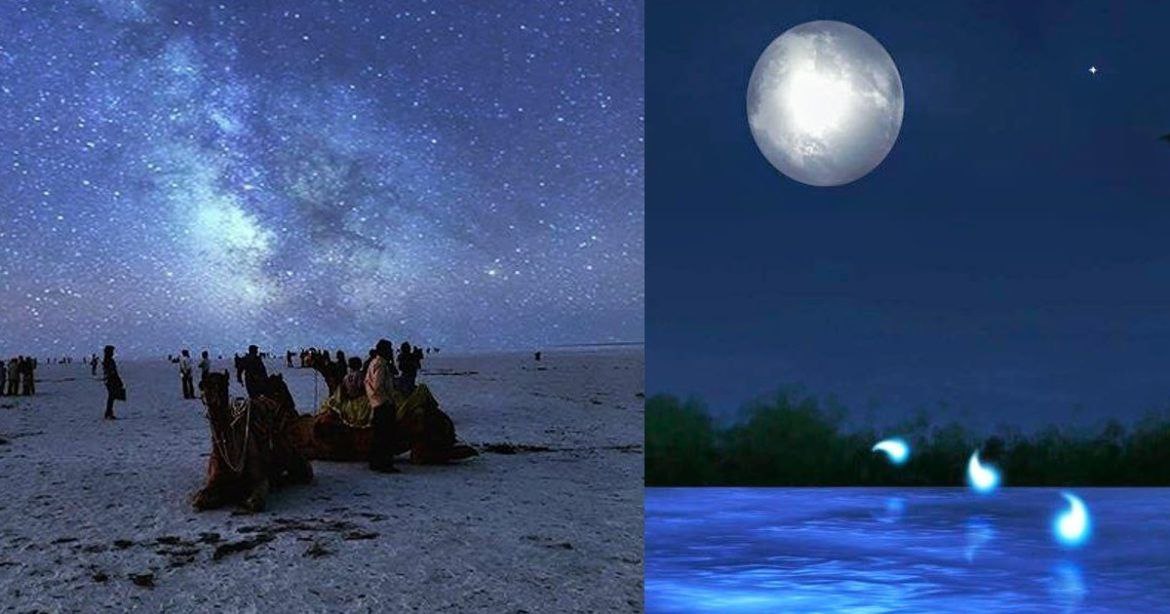
Chir batti, chhir batti or cheer batti is a ghost light reported in the Banni grasslands, a seasonal marshy wetlands and adjoining desert of the marshy salt flats of the Rann of Kutch[2] near the India–Pakistan border in Kutch district, Gujarat, India. Local villagers refer to the light as chir batti in the Kutchi-Sindhi language, with chir meaning ghost and batti meaning light.
It is described as an unexplained light occurring on dark nights as bright as a mercury lamp that changes its colour to blue, red and yellow and resembles a moving ball (reported also pear shaped form) of fire, which may move as fast as an arrow but may also stop.[3] According to local folklore, these lights have been a part of life in the Banni grasslands and the adjoining Rann of Kutch for centuries, but are little known beyond the immediate area and people continue to call them "ghost lights". Witnesses claim the lights at times appear to be playing hide and seek or following them. Some reports claim the light can only be seen after 8 pm on dark nights, are always two to ten feet above the ground, and if followed during the night, one could be misled from the road and lose their way in thorny jungles or desert of the salt flats of the Rann.
━━━━━━━━━━━━
🌞 @Gujarat 🦁
Chir batti, chhir batti or cheer batti is a ghost light reported in the Banni grasslands, a seasonal marshy wetlands and adjoining desert of the marshy salt flats of the Rann of Kutch[2] near the India–Pakistan border in Kutch district, Gujarat, India. Local villagers refer to the light as chir batti in the Kutchi-Sindhi language, with chir meaning ghost and batti meaning light.
It is described as an unexplained light occurring on dark nights as bright as a mercury lamp that changes its colour to blue, red and yellow and resembles a moving ball (reported also pear shaped form) of fire, which may move as fast as an arrow but may also stop.[3] According to local folklore, these lights have been a part of life in the Banni grasslands and the adjoining Rann of Kutch for centuries, but are little known beyond the immediate area and people continue to call them "ghost lights". Witnesses claim the lights at times appear to be playing hide and seek or following them. Some reports claim the light can only be seen after 8 pm on dark nights, are always two to ten feet above the ground, and if followed during the night, one could be misled from the road and lose their way in thorny jungles or desert of the salt flats of the Rann.
━━━━━━━━━━━━
🌞 @Gujarat 🦁
🔥2❤1👍1
Caffix- The Tech Cafe
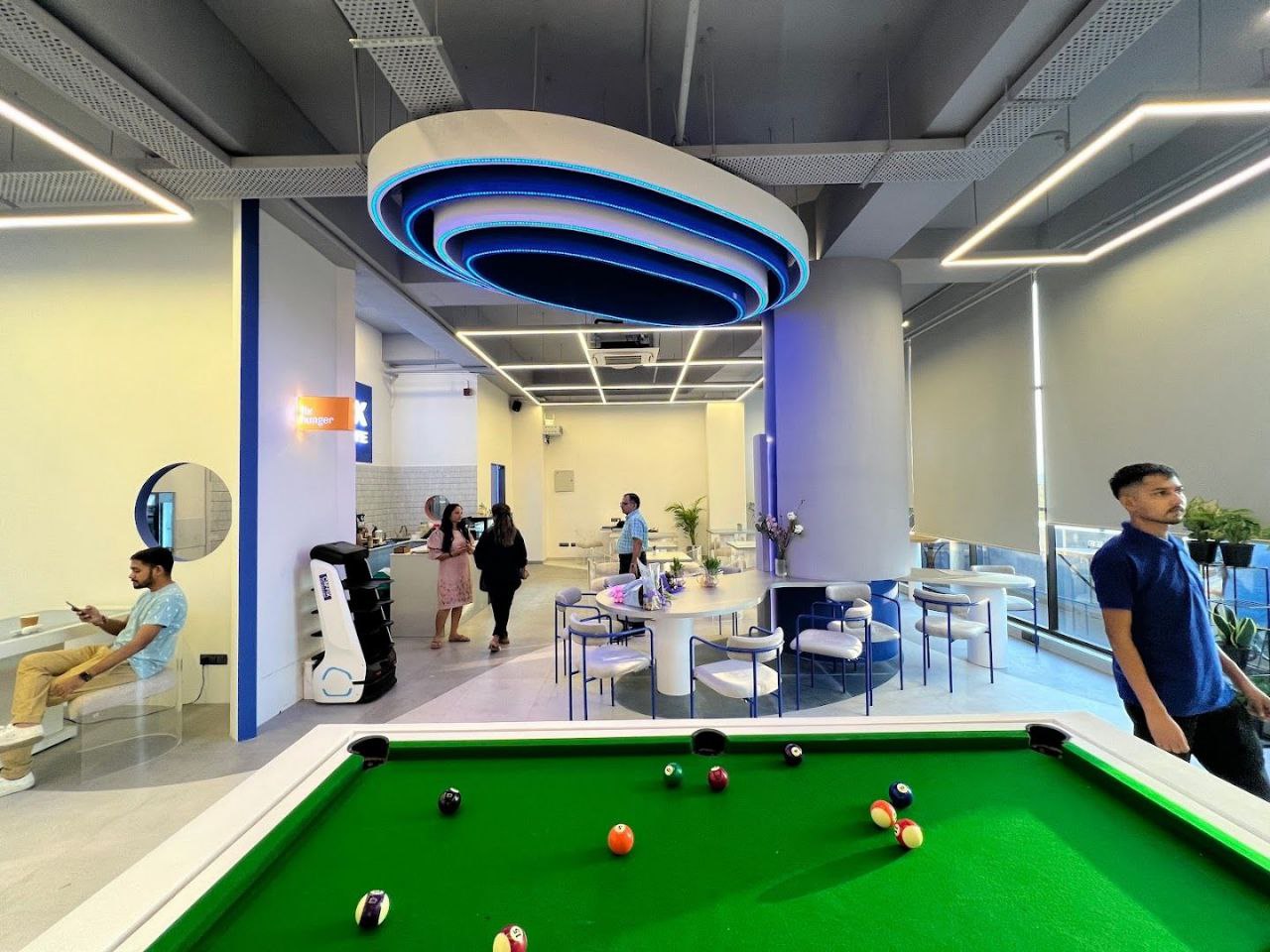
Caffix- The Tech Cafe is a unique establishment in Ahmedabad that combines the pleasures of dining with the convenience of tech services. This cafe offers a one-of-a-kind experience where customers can enjoy delicious vegetarian and non-vegetarian dishes while having their iPhones repaired. The rustic decor, modern amenities, and innovative seating arrangements make it an ideal spot for tech-savvy individuals.
━━━━━━━━━━━━
🌞 @Gujarat 🦁
Caffix- The Tech Cafe is a unique establishment in Ahmedabad that combines the pleasures of dining with the convenience of tech services. This cafe offers a one-of-a-kind experience where customers can enjoy delicious vegetarian and non-vegetarian dishes while having their iPhones repaired. The rustic decor, modern amenities, and innovative seating arrangements make it an ideal spot for tech-savvy individuals.
━━━━━━━━━━━━
🌞 @Gujarat 🦁
🔥2❤1👍1
Heera Panna Mall
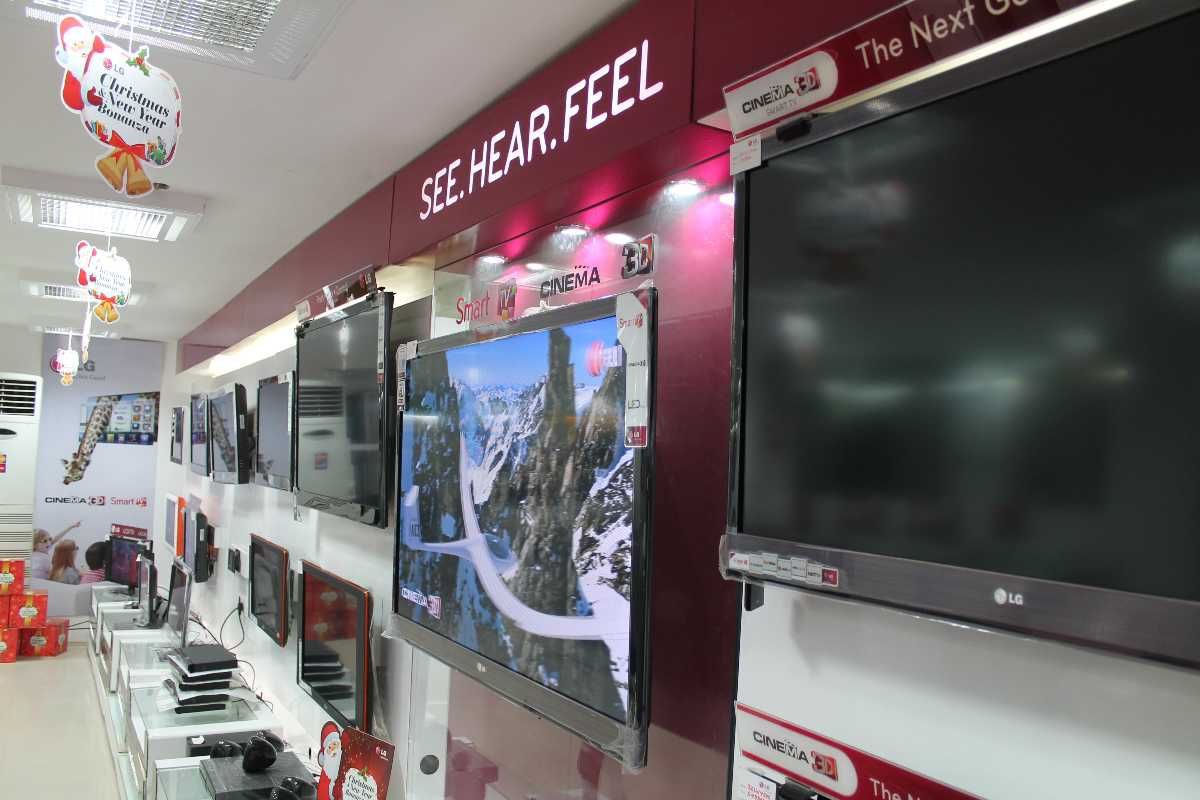
This small-scale mall is renowned for the deals it has to offer. Heera Panna Mall in Surat is the perfect shopping centre for those looking out for reasonable and good quality products. Apart from being a shopping destination, this mall in Surat is also a great hang out spot for students in the city.
━━━━━━━━━━━━
🌞 @Gujarat 🦁
This small-scale mall is renowned for the deals it has to offer. Heera Panna Mall in Surat is the perfect shopping centre for those looking out for reasonable and good quality products. Apart from being a shopping destination, this mall in Surat is also a great hang out spot for students in the city.
━━━━━━━━━━━━
🌞 @Gujarat 🦁
🔥2❤1👍1
Aji Dam
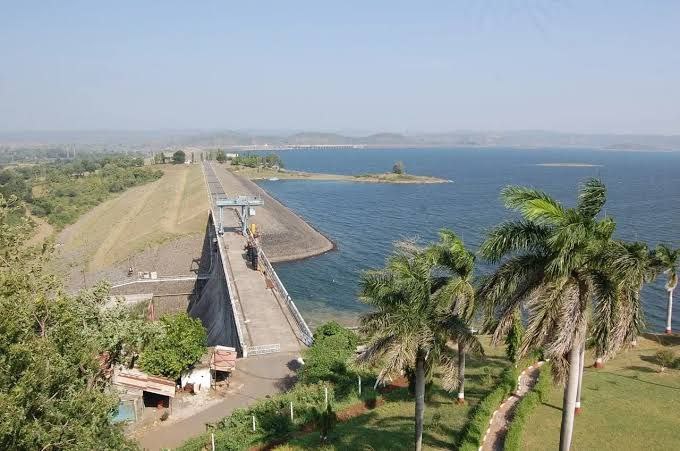
Aji Dam, built in the 1950s over the Aji River is the most important dam out of the four dams built on it. Located on the outskirts of Rajkot, the dam is referred to as the ‘lifeline of Rajkot’. It provides drinking and agricultural water to the city and keeps it clean by maintaining the ecological balance. A beautiful park and zoo near the dam make it one of the most visited tourist places in Rajkot.
The picturesque views of the river and park are breath-taking. The park is a popular picnic spot as it features an amusement park, a children’s park, and a food court. The zoo has a wide variety of animals, reptiles, and birds along with an aquarium. You can enjoy the tranquil environment of the park and spend a relaxing day with friends and family.
━━━━━━━━━━━━
🌞 @Gujarat 🦁
Aji Dam, built in the 1950s over the Aji River is the most important dam out of the four dams built on it. Located on the outskirts of Rajkot, the dam is referred to as the ‘lifeline of Rajkot’. It provides drinking and agricultural water to the city and keeps it clean by maintaining the ecological balance. A beautiful park and zoo near the dam make it one of the most visited tourist places in Rajkot.
The picturesque views of the river and park are breath-taking. The park is a popular picnic spot as it features an amusement park, a children’s park, and a food court. The zoo has a wide variety of animals, reptiles, and birds along with an aquarium. You can enjoy the tranquil environment of the park and spend a relaxing day with friends and family.
━━━━━━━━━━━━
🌞 @Gujarat 🦁

❤2🔥2👍1
Ponk Vadas
The winters bring Ponk Vada to Surat that is as delicious as they sound. The crispy hot snack uses Jowar as its main ingredient and is a toothsome yet healthy dish you can have every winter evenings. The people of Surat relish those cold foggy evenings spent eating Ponk Vadas throughout their lives. While you are in Surat, visit one of the roadside vendors to enjoy the delicious snack with Sev and green Chutney. There is something different about eating on those roadside stalls whose taste can never be found in lavish hotels.
━━━━━━━━━━━━
🌞 @Gujarat 🦁
The winters bring Ponk Vada to Surat that is as delicious as they sound. The crispy hot snack uses Jowar as its main ingredient and is a toothsome yet healthy dish you can have every winter evenings. The people of Surat relish those cold foggy evenings spent eating Ponk Vadas throughout their lives. While you are in Surat, visit one of the roadside vendors to enjoy the delicious snack with Sev and green Chutney. There is something different about eating on those roadside stalls whose taste can never be found in lavish hotels.
━━━━━━━━━━━━
🌞 @Gujarat 🦁

👍2❤1🔥1
Ukai
Ukai is a census town in Tapi district in the Indian state of Gujarat. As of 2001 India census, Ukai had a population of 10,858. Males constitute 54% of the population and females 46%. Ukai has an average literacy rate of 76%, higher than the national average of 59.5%: male literacy is 84%, and female literacy is 67%. In Ukai, 10% of the population is under six years of age.
Ukai has the second largest dam in Gujarat built on the Tapti River. The project's name is Vallabh Sagar Sarovar Project. A hydropower station is based on the dam, creating a capacity of 300 MW of hydroelectricity.
The thermal power station having 840 MW capacity with five units is a major industry in Ukai. It resides at the left bank canal of Tapti River. The Ukai power plant expanded with 500 MW capacity new Unit-6 started in 2013. So the Ukai power plant capacity is 1350 MW. Ukai converted to Tapi district in place of Surat.
━━━━━━━━━━━━
🌞 @Gujarat 🦁
Ukai is a census town in Tapi district in the Indian state of Gujarat. As of 2001 India census, Ukai had a population of 10,858. Males constitute 54% of the population and females 46%. Ukai has an average literacy rate of 76%, higher than the national average of 59.5%: male literacy is 84%, and female literacy is 67%. In Ukai, 10% of the population is under six years of age.
Ukai has the second largest dam in Gujarat built on the Tapti River. The project's name is Vallabh Sagar Sarovar Project. A hydropower station is based on the dam, creating a capacity of 300 MW of hydroelectricity.
The thermal power station having 840 MW capacity with five units is a major industry in Ukai. It resides at the left bank canal of Tapti River. The Ukai power plant expanded with 500 MW capacity new Unit-6 started in 2013. So the Ukai power plant capacity is 1350 MW. Ukai converted to Tapi district in place of Surat.
━━━━━━━━━━━━
🌞 @Gujarat 🦁
❤2🔥2👍1
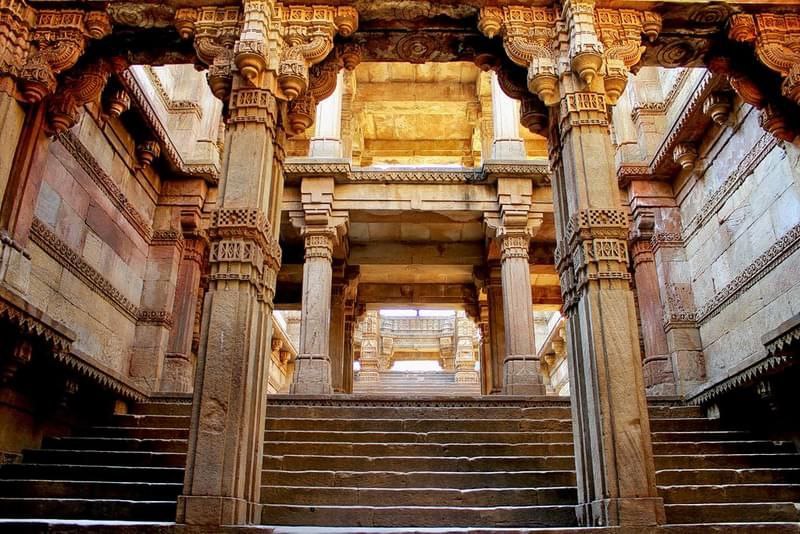
DADA HARIR STEPWELL
The Dada Harir Stepwell is a marvelous example of refined architecture and masonry of that era. It is one of the most tranquil places to visit in Ahmedabad. Here you can enjoy some peace and quiet as you observe the fine craftsmanship and the various inscriptions in Sanskrit and Persian on the walls and pillars of the stepwell.
As you gaze down at the stepwell you can find birds flitting about as the whole essence of this structure takes you back in time. Another feature that attracts visitors here is the sudden cooling effects that can be felt the moment you enter.
It provides for a lovely respite from the hot Ahmedabad sun, especially during the summers. It is best to visit the stepwell in the late mornings when the rays of light falls on the depths of the well.
━━━━━━━━━━━━
🌞 @Gujarat 🦁
The Dada Harir Stepwell is a marvelous example of refined architecture and masonry of that era. It is one of the most tranquil places to visit in Ahmedabad. Here you can enjoy some peace and quiet as you observe the fine craftsmanship and the various inscriptions in Sanskrit and Persian on the walls and pillars of the stepwell.
As you gaze down at the stepwell you can find birds flitting about as the whole essence of this structure takes you back in time. Another feature that attracts visitors here is the sudden cooling effects that can be felt the moment you enter.
It provides for a lovely respite from the hot Ahmedabad sun, especially during the summers. It is best to visit the stepwell in the late mornings when the rays of light falls on the depths of the well.
━━━━━━━━━━━━
🌞 @Gujarat 🦁
👍3❤2👏1
Pilvai
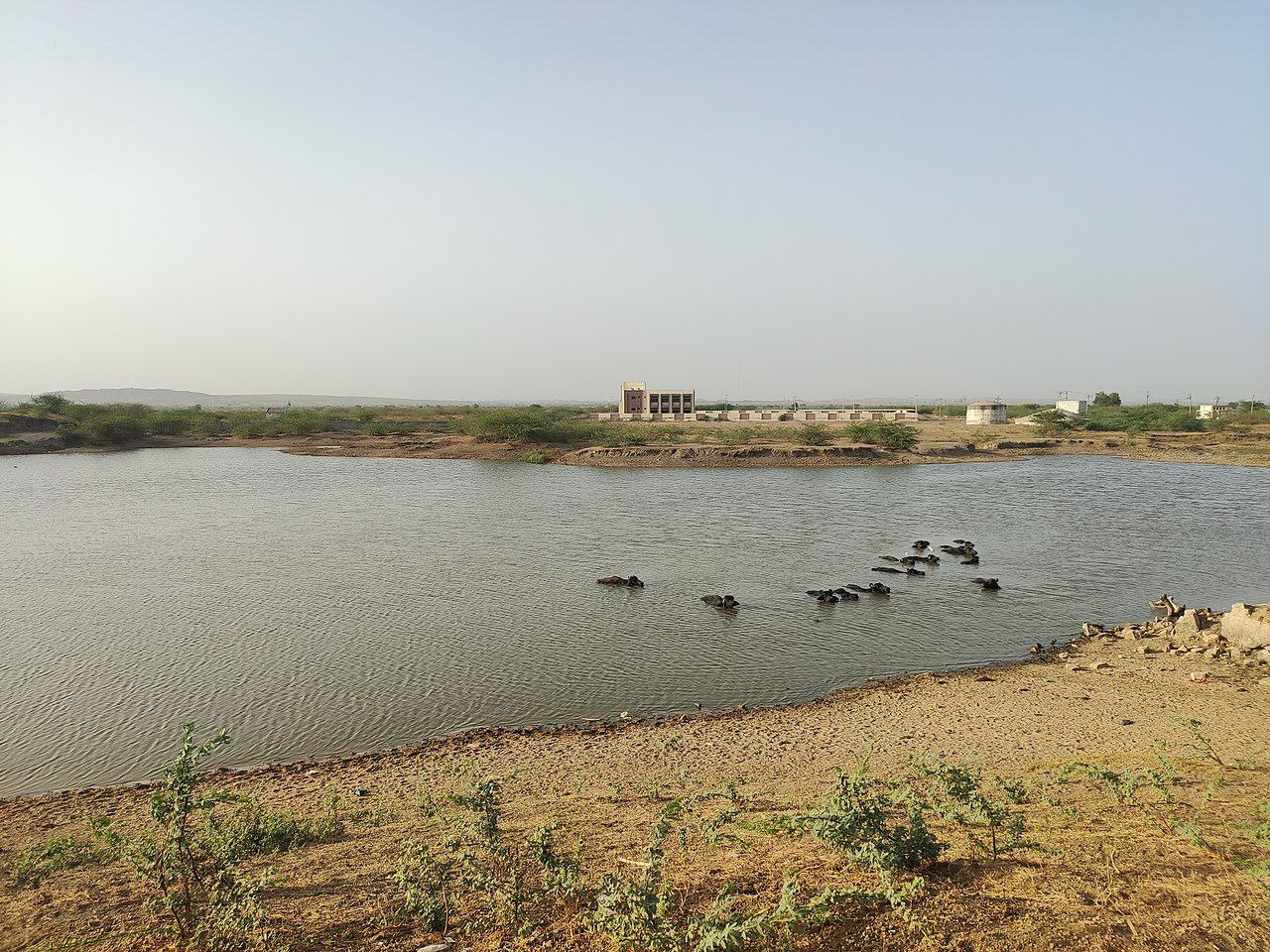
Pilvai is a village in Mehsana district in the state of Gujarat. Pilvai (Pin 382850) is located in Vijapur county and connected to Mehsana, Himatnagar, Gandhinagar and Ahmedabad by road. Ahmedabad international Airport is approximately 60 km (37 miles) from Pilvai. Pilvai has several educational institutes. Pilvai have seven subdivision villages: Pilvai proper, Patelpura (Pilvai), Veda (Pilvai), Fatepura (Pilvai), Ramnagar (Pilvai), Khanusha (Pilvai), and Kotadi (Pilvai).Vishwakarma temple belonging to Suthar community is a very old temple in the village.
━━━━━━━━━━━━
🌞 @Gujarat 🦁
Pilvai is a village in Mehsana district in the state of Gujarat. Pilvai (Pin 382850) is located in Vijapur county and connected to Mehsana, Himatnagar, Gandhinagar and Ahmedabad by road. Ahmedabad international Airport is approximately 60 km (37 miles) from Pilvai. Pilvai has several educational institutes. Pilvai have seven subdivision villages: Pilvai proper, Patelpura (Pilvai), Veda (Pilvai), Fatepura (Pilvai), Ramnagar (Pilvai), Khanusha (Pilvai), and Kotadi (Pilvai).Vishwakarma temple belonging to Suthar community is a very old temple in the village.
━━━━━━━━━━━━
🌞 @Gujarat 🦁

🔥2❤1👍1
Kumbhariya
Kumbhariya is a village of historical, archaeological and religious importance with cultural heritage in Danta Taluka of Banaskantha district, Gujarat, India. It is notable for five medieval Jain temples, built between 1062 and 1231, similar in design and typical of the Jain Māru-Gurjara architecture style. The Hindu Shiva Kumbheshwar Mahadev Temple is of similar date and style. It is located at a distance of 1.7 km from Ambaji. Kumbhariya village is located in Taluka, Danta of Banaskantha, North Gujarat, India .
━━━━━━━━━━━━
🌞 @Gujarat 🦁
Kumbhariya is a village of historical, archaeological and religious importance with cultural heritage in Danta Taluka of Banaskantha district, Gujarat, India. It is notable for five medieval Jain temples, built between 1062 and 1231, similar in design and typical of the Jain Māru-Gurjara architecture style. The Hindu Shiva Kumbheshwar Mahadev Temple is of similar date and style. It is located at a distance of 1.7 km from Ambaji. Kumbhariya village is located in Taluka, Danta of Banaskantha, North Gujarat, India .
━━━━━━━━━━━━
🌞 @Gujarat 🦁
🔥2❤1👍1