
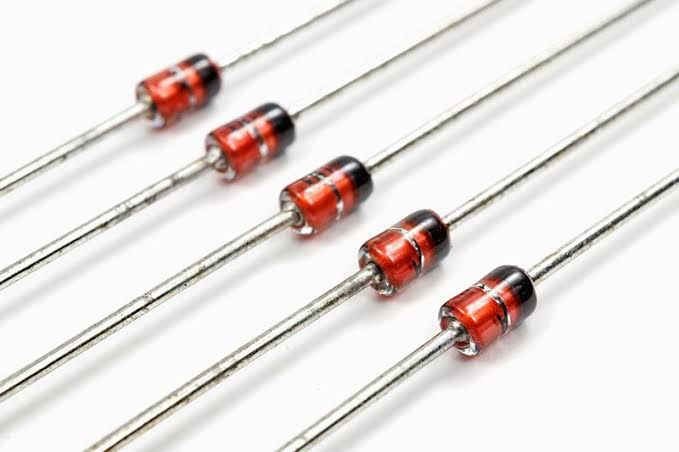
A resonant-tunneling diode (RTD) is a diode with a resonant-tunneling structure in which electrons can tunnel through some resonant states at certain energy levels. The current–voltage characteristic often exhibits negative differential resistance regions.
All types of tunneling diodes make use of quantum mechanical tunneling. Characteristic to the current–voltage relationship of a tunneling diode is the presence of one or more negative differential resistance regions, which enables many unique applications. Tunneling diodes can be very compact and are also capable of ultra-high-speed operation because the quantum tunneling effect through the very thin layers is a very fast process. One area of active research is directed toward building oscillators and switching devices that can operate at terahertz frequencies.
━━━━━━━━━━━
☢ @Physics ⚡| @Education 📖
👍24🔥8❤6😱3🎉1🤩1
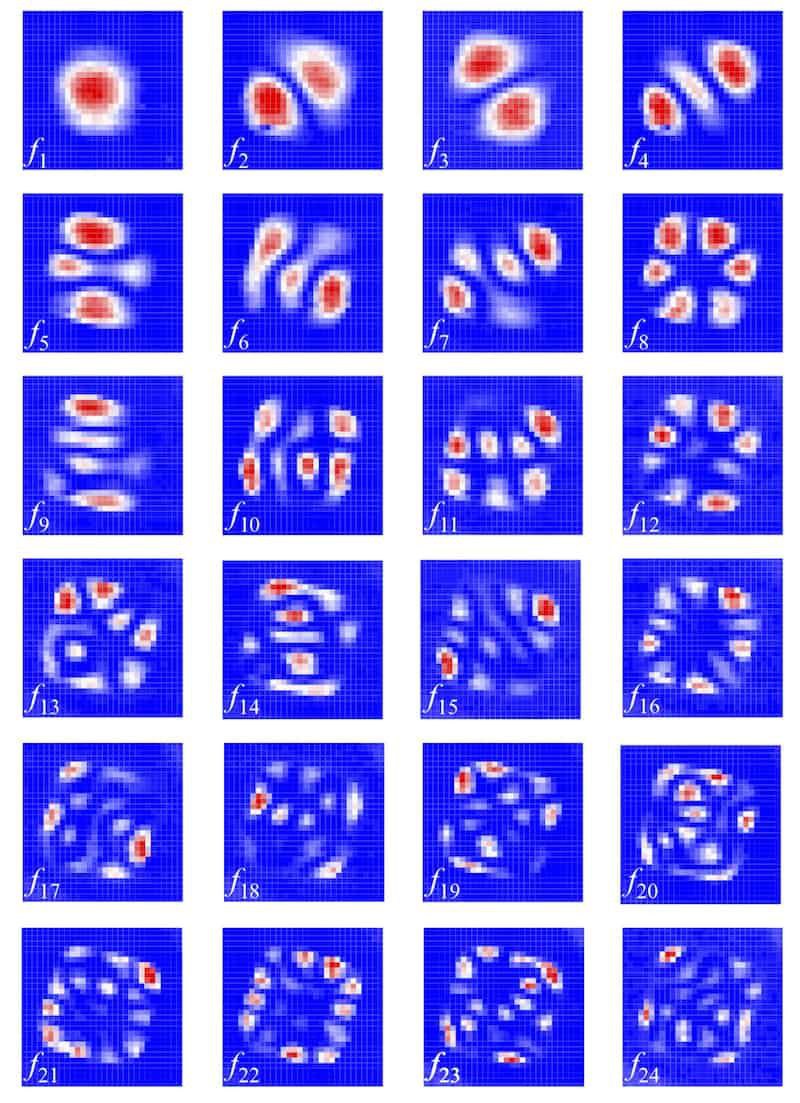
By reducing the contribution of all noises other than shot noise, researchers move closer to achieving quantum-noise-limited laser interferometry measurements.
✅ Source: Click here
━━━━━━━━━━━
☢ @Physics ⚡| @Education 📖
✅ Source: Click here
━━━━━━━━━━━
☢ @Physics ⚡| @Education 📖
🔥16👍15❤11🎉6🤩1
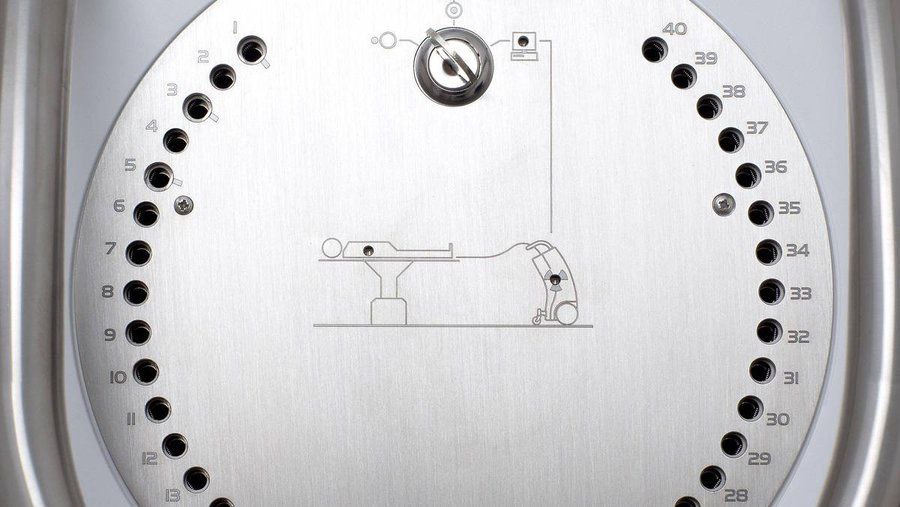
MRI guidance could improve brachytherapy treatments of locally advanced cervical cancer.
✅ Source: Click here
━━━━━━━━━━━
☢ @Physics ⚡| @Education 📖
✅ Source: Click here
━━━━━━━━━━━
☢ @Physics ⚡| @Education 📖
👍17🔥9❤5😱3
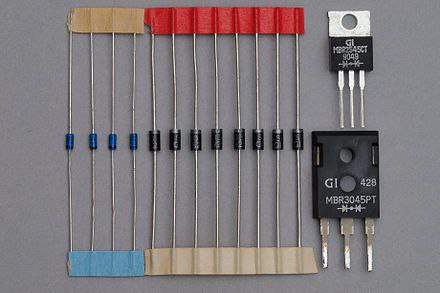
The Schottky diode (named after the German physicist Walter H. Schottky), also known as Schottky barrier diode or hot-carrier diode, is a semiconductor diode formed by the junction of a semiconductor with a metal. It has a low forward voltage drop and a very fast switching action. The cat's-whisker detectors used in the early days of wireless and metal rectifiers used in early power applications can be considered primitive Schottky diodes.
━━━━━━━━━━━
☢ @Physics ⚡| @Education 📖
━━━━━━━━━━━
☢ @Physics ⚡| @Education 📖
👍22❤10🔥7🤩6
High-precision X-ray crystallography measurements could help design light-activated cancer drugs.
✅ Source: Click here
━━━━━━━━━━━
☢ @Physics ⚡| @Education 📖
✅ Source: Click here
━━━━━━━━━━━
☢ @Physics ⚡| @Education 📖

🔥22👍18❤14
Imaging brain tissue oxygenation during radiotherapy using functional near-infrared spectroscopy could help to personalize cancer treatments.
✅ Source: Click here
━━━━━━━━━━━
☢ @Physics ⚡| @Education 📖
✅ Source: Click here
━━━━━━━━━━━
☢ @Physics ⚡| @Education 📖
❤12👍12🔥8
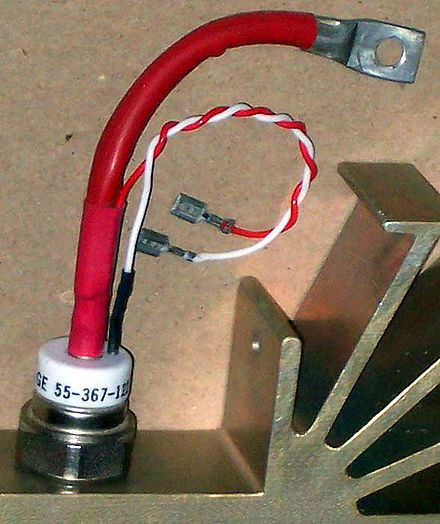
A thyristor is a solid-state semiconductor device with four layers of alternating P- and N-type materials used for high-power applications. It acts exclusively as a bistable switch (or a latch) conducting when the gate receives a current trigger, and continuing to conduct until the voltage across the device is reverse-biased, or until the voltage is removed (by some other means). There are two designs, differing in what triggers the conducting state. In a three-lead thyristor, a small current on its Gate lead controls the larger current of the Anode to Cathode path. In a two-lead thyristor, conduction begins when the potential difference between the Anode and Cathode themselves is sufficiently large (breakdown voltage).
━━━━━━━━━━━
☢ @Physics ⚡| @Education 📖
━━━━━━━━━━━
☢ @Physics ⚡| @Education 📖
🔥20👍14❤7😱3🤩3
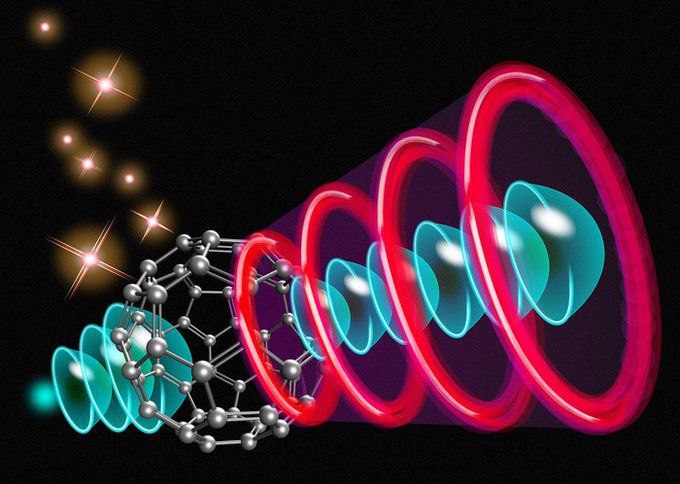
New device has a switching speed that’s four to five orders of magnitude faster than current solid-state transistors.
✅ Source: Click here
━━━━━━━━━━━
☢ @Physics ⚡| @Education 📖
✅ Source: Click here
━━━━━━━━━━━
☢ @Physics ⚡| @Education 📖
🔥21👍12😱12❤11🤩1
━━━━━━━━━━━
☢ @Physics ⚡| @Education 📖
Please open Telegram to view this post
VIEW IN TELEGRAM
🔥20❤17👍6🤩6😁4
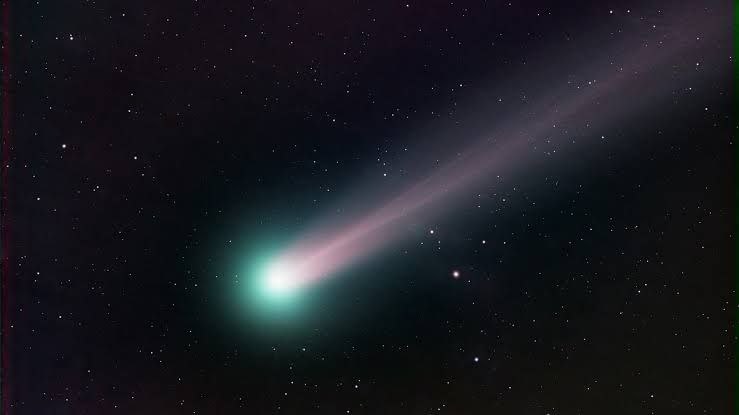
A comet is an icy, small Solar System body that warms and begins to release gases when passing close to the Sun, a process called outgassing. This produces an extended, gravitationally unbound atmosphere or coma surrounding the nucleus, and sometimes a tail of gas and dust gas blown out from the coma. These phenomena are due to the effects of solar radiation and the outstreaming solar wind plasma acting upon the nucleus of the comet. Comet nuclei range from a few hundred meters to tens of kilometers across and are composed of loose collections of ice, dust, and small rocky particles. The coma may be up to 15 times Earth's diameter, while the tail may stretch beyond one astronomical unit. If sufficiently close and bright, a comet may be seen from Earth without the aid of a telescope and can subtend an arc of up to 30° (60 Moons) across the sky. Comets have been observed and recorded since ancient times by many cultures and religions.
━━━━━━━━━━━
☢ @Physics ⚡| @Education 📖
━━━━━━━━━━━
☢ @Physics ⚡| @Education 📖
👍19🔥10❤7🤩4