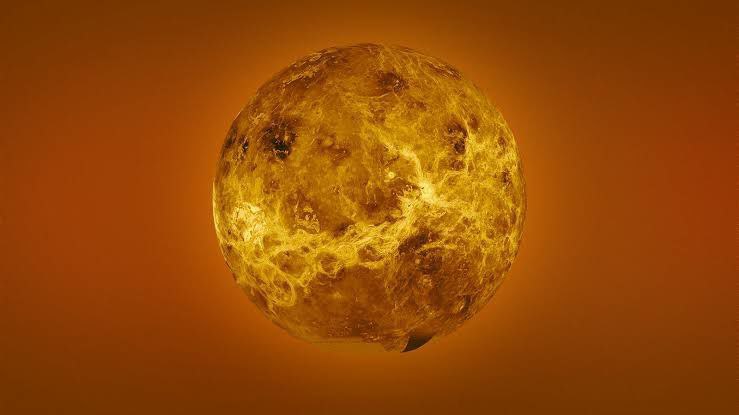
The slowest rotating planet is Venus, which takes 243.01 days to turn around.
━━━━━━━━━━━━
☢ @Physics ⚡| @Education 📖
━━━━━━━━━━━━
☢ @Physics ⚡| @Education 📖
😱47👍25🔥20😁9😢7🤩7❤6
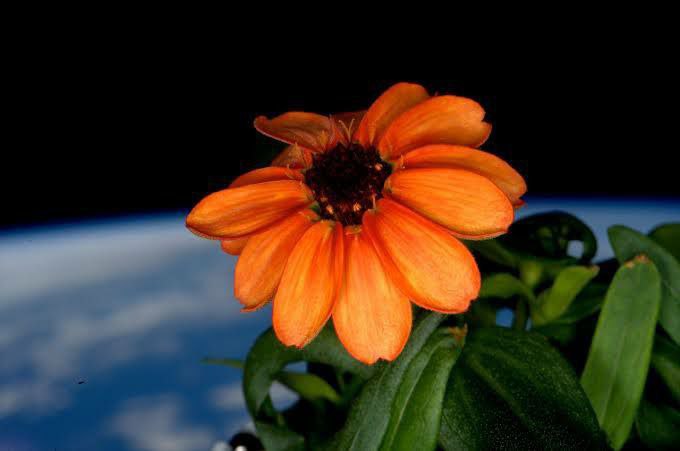
In 2016, Zinnia, the first flower fully grown in space, was grown as part of the International Space Station',$ plant growth system, also known as "Veggie".
━━━━━━━━━━━━
☢ @Physics ⚡| @Education 📖
━━━━━━━━━━━━
☢ @Physics ⚡| @Education 📖
👍48❤45😱21🤩9🔥8🎉8😁1
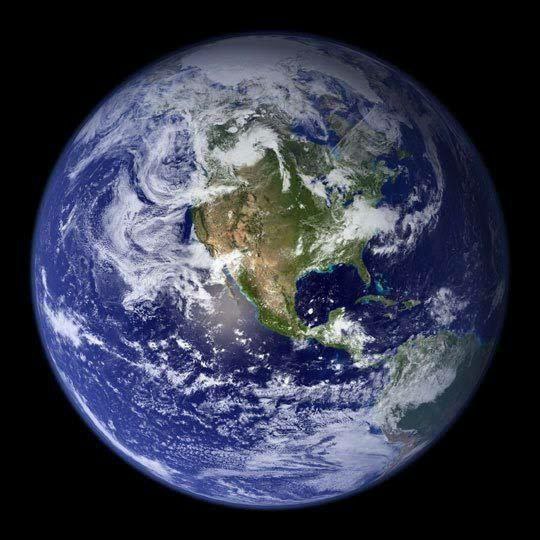
Have you ever wondered why we have different seasons? It’s because the Earth is tilted 23.4 degrees on its ‘axis’, an imaginary line straight through the middle of the planet form the North Pole to the South Pole.
━━━━━━━━━━━━
☢ @Physics ⚡| @Education 📖
━━━━━━━━━━━━
☢ @Physics ⚡| @Education 📖
👍66🤩21🔥18❤11😁7😱7🎉5👎2
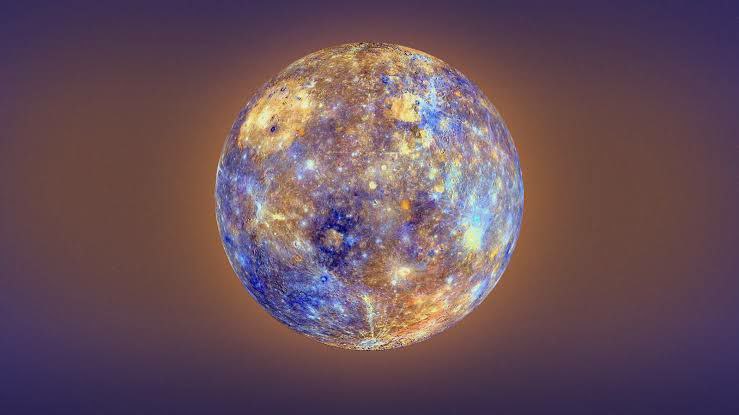
Mercury has wrinkles. As the iron core of the planet cooled and contracted, the surface of the planet became wrinkled. Scientist have named these wrinkles, Lobate Scarps. These Scarps can be up to a mile high and hundreds of miles long.
━━━━━━━━━━━━
☢ @Physics ⚡| @Education 📖
━━━━━━━━━━━━
☢ @Physics ⚡| @Education 📖
❤39👍26😱6🎉6🔥1
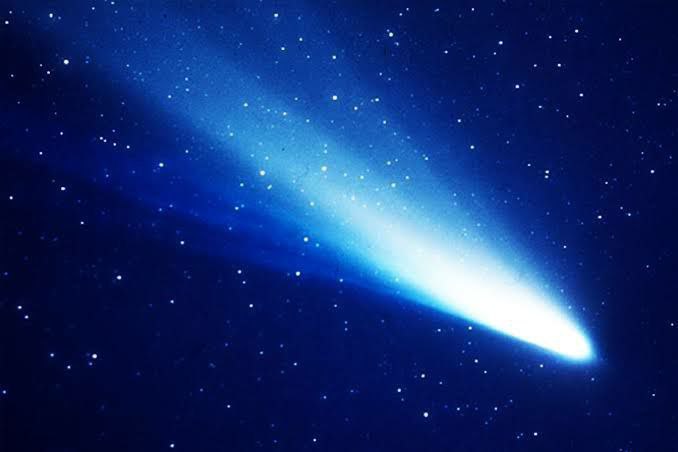
Comets are leftovers from the creation of our solar system about 4.5 billion years ago – they consist of sand, ice and carbon dioxide.
━━━━━━━━━━━━
☢ @Physics ⚡| @Education 📖
━━━━━━━━━━━━
☢ @Physics ⚡| @Education 📖
👍54❤21🔥15😢2
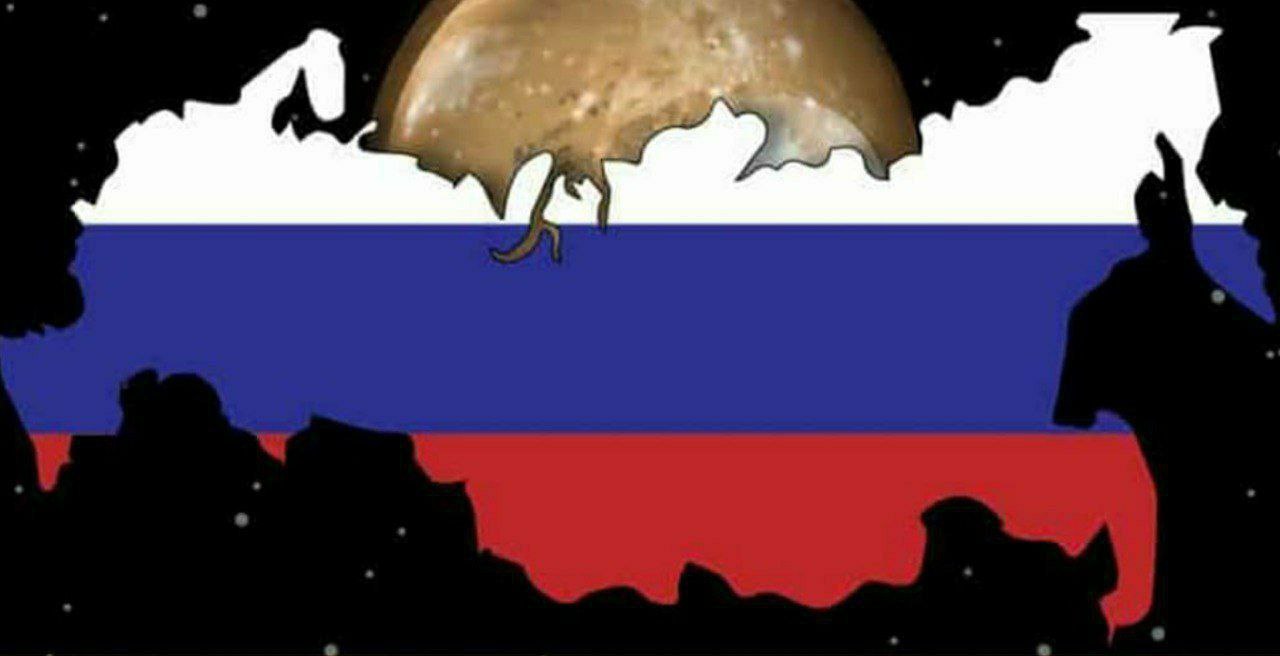
Russia is almost as big as Pluto in terms of surface area. Pluto's surface area is 17,646,012 square kilometres while that of Russia is 17,075,200 square kilometres.
━━━━━━━━━━━━
☢ @Physics ⚡| @Education 📖
━━━━━━━━━━━━
☢ @Physics ⚡| @Education 📖
😱72👍33🔥18🤩12❤6
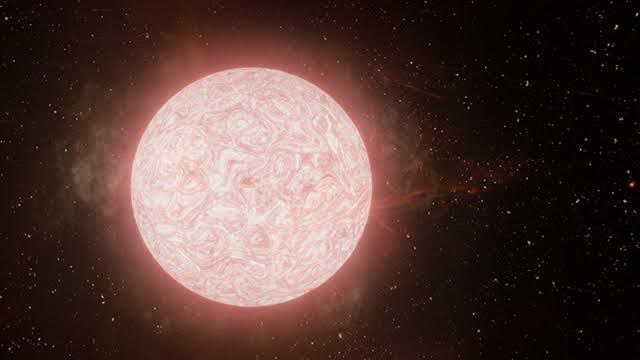
The core of a star reaches 16 million degrees Celsius. A grain of sand this hot would kill someone from 150 kilometers away.
━━━━━━━━━━━━
☢ @Physics ⚡| @Education 📖
━━━━━━━━━━━━
☢ @Physics ⚡| @Education 📖
🔥50😱33❤26👍9🎉3😁2
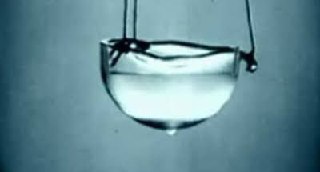
When Helium is cooled to absolute zero (0 Kelvin, -273.15°C, or -459.67°F), it becomes a liquid that flows against gravity. At this point, the helium transforms from a gas into a fluid with zero viscosity, which allows it to flow without any loss of kinetic energy.
━━━━━━━━━━━━
☢ @Physics ⚡| @Education 📖
━━━━━━━━━━━━
☢ @Physics ⚡| @Education 📖
👍57🔥33❤18😱16
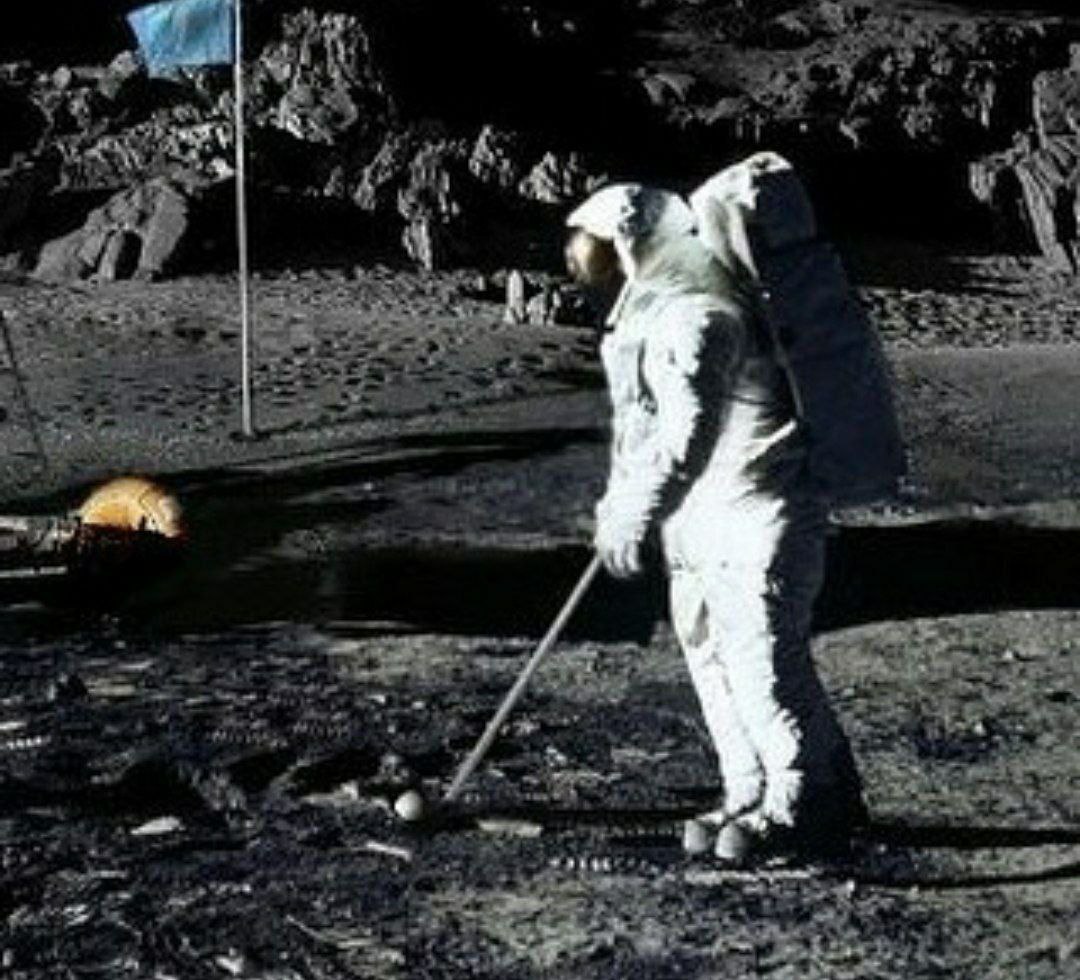
Not only was Alan Shepard the first US astronaut to go to space when he launched on Freedom 7 during the Mercury era in 1961, but he was also the first to play golf on the moon on his Apollo 14 trip! Conditions were dry and windless, of course. And with the moon having just 1/6th the gravity of Earth, his one-handed shot went several hundred yards.
━━━━━━━━━━━━
☢ @Physics ⚡| @Education 📖
━━━━━━━━━━━━
☢ @Physics ⚡| @Education 📖
🔥60👍21🤩13❤5👎4😢4
Astronauts can grow up to 2 inches while in space because of the lack of pressure on their spine.
━━━━━━━━━━━━
☢ @Physics ⚡| @Education 📖
━━━━━━━━━━━━
☢ @Physics ⚡| @Education 📖
🔥49😱25👍18❤8