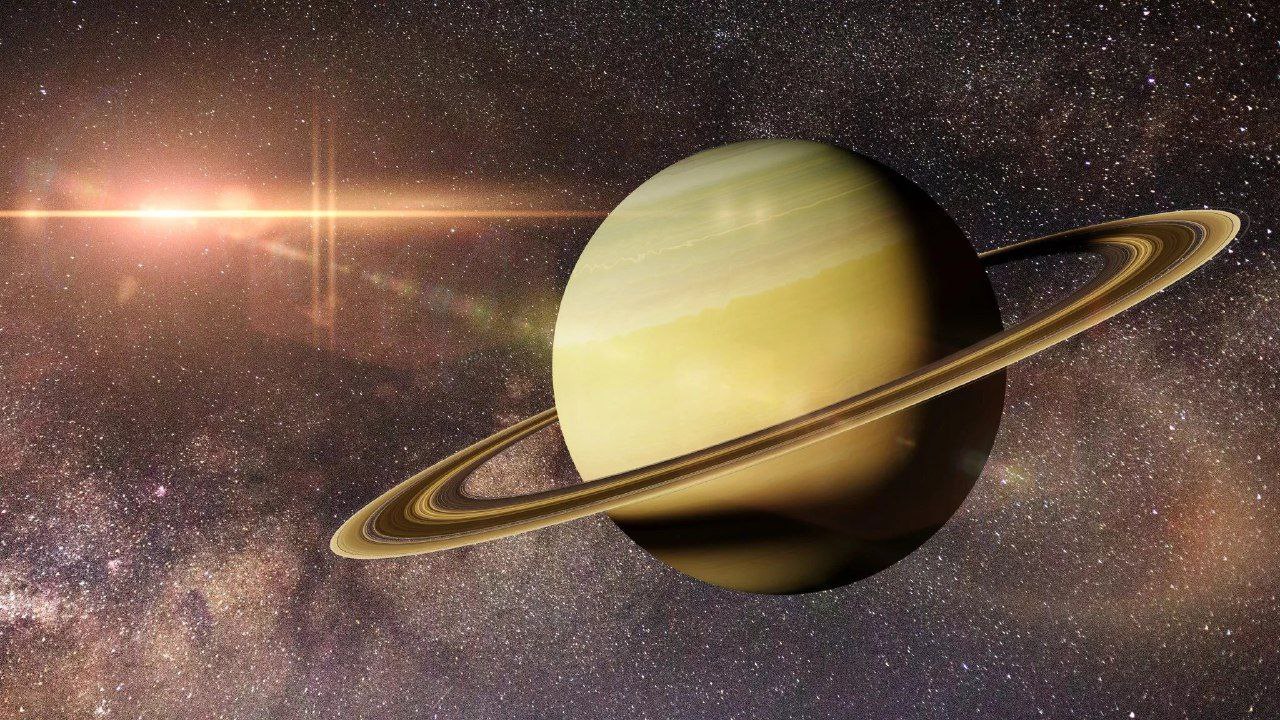
The atmosphere in Titan, Saturn's Moon, is so thick and the gravity so low, that humans can fly through it by flapping "wings" attached to their arms.
━━━━━━━━━━━━
☢ @Physics ⚡| @Education 📖
━━━━━━━━━━━━
☢ @Physics ⚡| @Education 📖
👍60😱25❤17🤩14🔥12🎉1
To live in space for a year, you would have to consume 730 L of your own recycled swear and urine.
━━━━━━━━━━━━
☢ @Physics ⚡| @Education 📖
━━━━━━━━━━━━
☢ @Physics ⚡| @Education 📖

😱63👍27😢25❤13🔥11👎7
Unprotected exposure to outer space can kill a person in less than 30 seconds.
━━━━━━━━━━━━
☢ @Physics ⚡| @Education 📖
━━━━━━━━━━━━
☢ @Physics ⚡| @Education 📖
😱74👍30❤12👎2😁1
There's no "zero gravity" in space. Astronauts are in a constant state of free fall, which is why they appear to float.
━━━━━━━━━━━━
☢ @Physics ⚡| @Education 📖
━━━━━━━━━━━━
☢ @Physics ⚡| @Education 📖

🔥72👍25😱14❤13😁13👎2
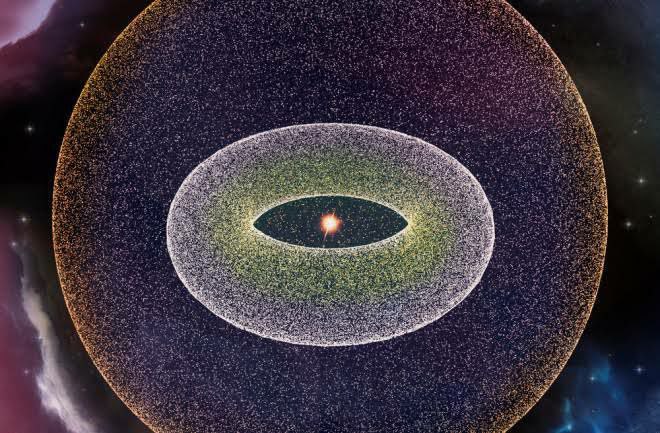
The Oort cloud, sometimes called the Öpik–Oort cloud, first described in 1950 by the Dutch astronomer Jan Oort, is a theoretical concept of a cloud of predominantly icy planetesimals (solids) proposed to surround the Sun at distances ranging from 2,000 to 200,000 AU (0.03 to 3.2 light-years). It is divided into two regions: a disc-shaped inner Oort cloud (or Hills cloud) and a spherical outer Oort cloud. Both regions lie beyond the heliosphere and in interstellar space. The Kuiper belt and the scattered disc, the other two reservoirs of trans-Neptunian objects, are less than one thousandth as far from the Sun as the Oort cloud.
━━━━━━━━━━━━
☢ @Physics ⚡| @Education 📖
━━━━━━━━━━━━
☢ @Physics ⚡| @Education 📖
❤24👍19🔥19😁6😱2
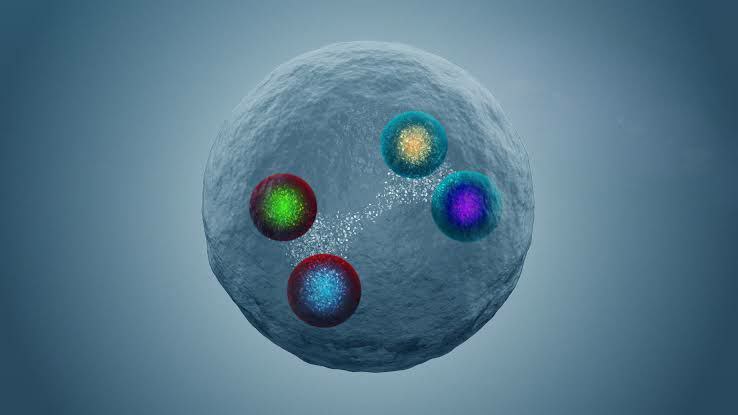
The charm quark, charmed quark or c quark (from its symbol, c) is the third most massive of all quarks, a type of elementary particle. Charm quarks are found in hadrons, which are subatomic particles made of quarks. Examples of hadrons containing charm quarks include the J/ψ meson (J/ψ), D mesons (D), charmed Sigma baryons (Σc), and other charmed particles.
━━━━━━━━━━━━
☢ @Physics ⚡| @Education 📖
━━━━━━━━━━━━
☢ @Physics ⚡| @Education 📖
👍30😱14🔥11❤9👎4🤩2
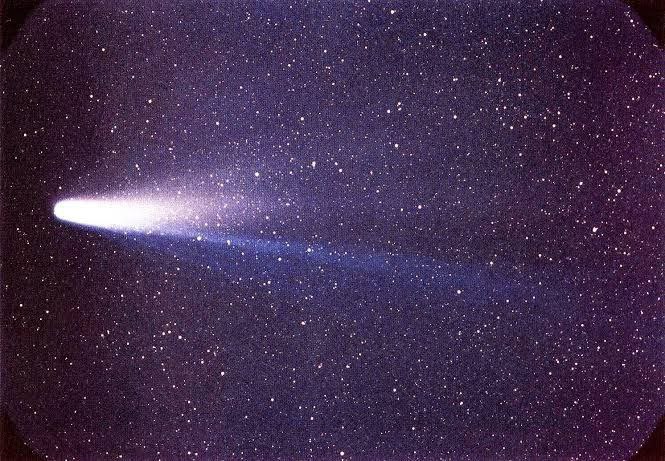
Halley's Comet or Comet Halley, officially designated 1P/Halley, is a short-period comet visible from Earth every 75–76 years. Halley is the only known short-period comet that is regularly visible to the naked eye from Earth, and thus the only naked-eye comet that can appear twice in a human lifetime. Halley last appeared in the inner parts of the Solar System in 1986 and will next appear in mid-2061.
━━━━━━━━━━━━
☢ @Physics ⚡| @Education 📖
━━━━━━━━━━━━
☢ @Physics ⚡| @Education 📖
❤45😱15🤩15👍10🎉5😁2
The Boomerang Nebula is a protoplanetary nebula located 5,000 light-years away from Earth in the constellation Centaurus. It is also known as the Bow Tie Nebula and catalogued as LEDA 3074547. It is known as the coldest natural place in the universe. At -272.15 °C, it is 1 °C warmer than absolute zero (−273.15 °C), and 2 °C than background radiation from the Big Bang.
━━━━━━━━━━━━
☢ @Physics ⚡| @Education 📖
━━━━━━━━━━━━
☢ @Physics ⚡| @Education 📖

👍36🔥18😱12❤6🤩5😁4
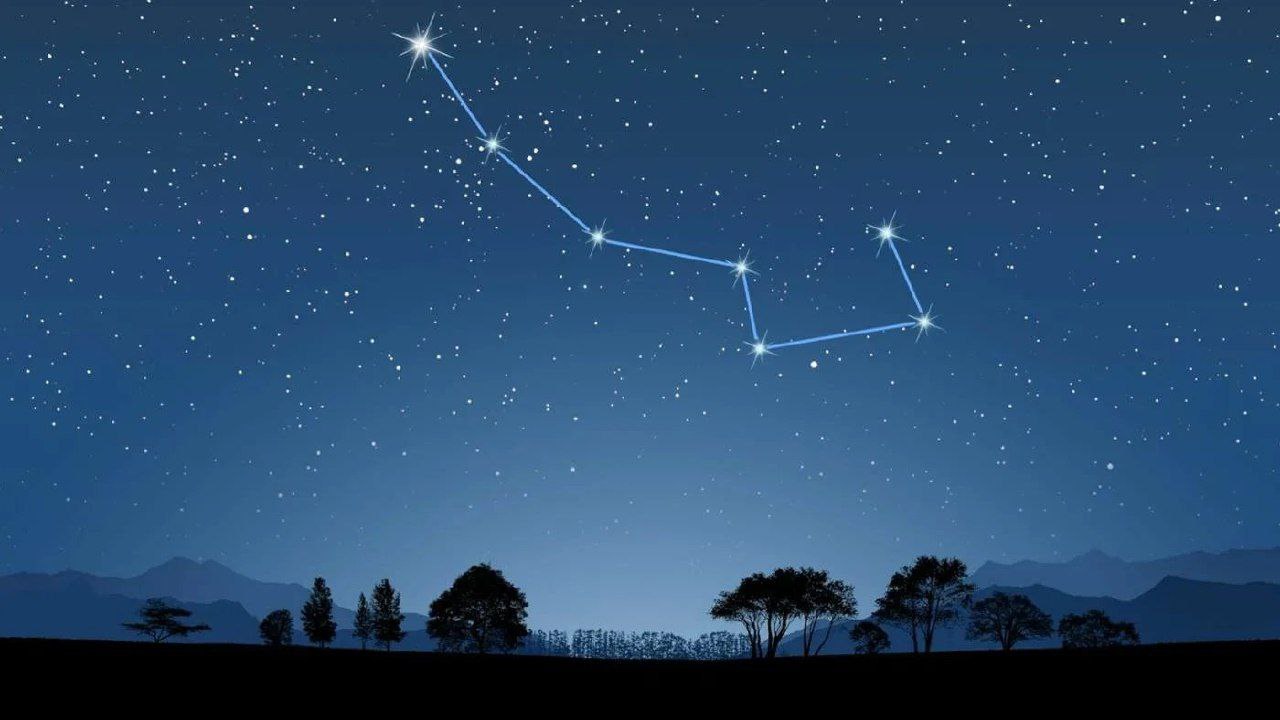
The brightest star in each constellation is called the Alpha Star, the next brightest Beta, and so on.
━━━━━━━━━━━━
☢ @Physics ⚡| @Education 📖
━━━━━━━━━━━━
☢ @Physics ⚡| @Education 📖
🔥47👍26❤24🤩8😱3😢2
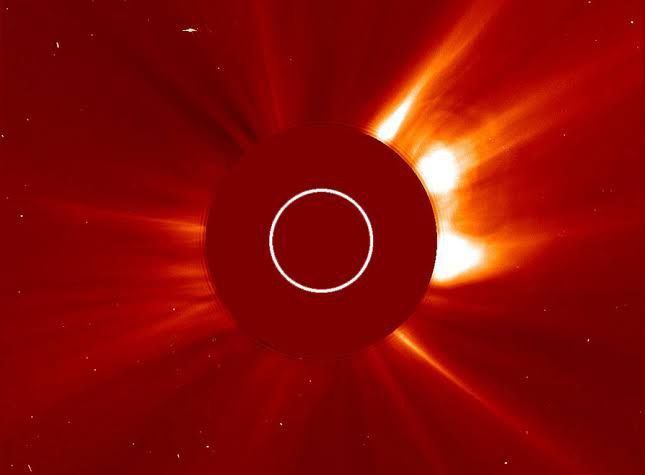
A coronagraph is a specialized instrument designed to block out the light of the sun so that researchers can glimpse the burning star's hot, thin, outermost layer, called the corona. The French astronomer Bernard Lyot invented the coronagraph in the 1930s, according to the American Museum of Natural History, and the instrument has since found many other uses. The sun's corona is normally visible only during solar eclipses, when the moon's shadow covers the bright central layers of our parent star and allows its dimmer corona to appear. A coronagraph mimics this natural phenomenon with a circular mask that sits inside a telescope and selectively blocks the bulk of the sun's light.
━━━━━━━━━━━━
☢ @Physics ⚡| @Education 📖
━━━━━━━━━━━━
☢ @Physics ⚡| @Education 📖
👍44❤8🤩6😱4👎1