To reach the maximum height, pole vaulters and high jumpers arch their bodies over the bar so their centre of mass actually passes as much as 20 cm underneath the bar, requiring less energy. This was the great innovation of the "Fosbury Flop".
━━━━━━━━━━━━
☢ @Physics ⚡| @Education 📖
━━━━━━━━━━━━
☢ @Physics ⚡| @Education 📖

🔥39👍26❤13🤩6👎1
🏃🏻WHY DO TOP SPRINTERS HAVE SUCH MUSCULAR ARMS❓
Big arms help counterbalance the momentum of hard-pumping legs to keep the runner steady. Bent elbows make the arms shorter pendulums, which swing faster.
━━━━━━━━━━━━
☢ @Physics ⚡| @Education 📖
Big arms help counterbalance the momentum of hard-pumping legs to keep the runner steady. Bent elbows make the arms shorter pendulums, which swing faster.
━━━━━━━━━━━━
☢ @Physics ⚡| @Education 📖

👍47🔥12❤8😱5🤩2👎1
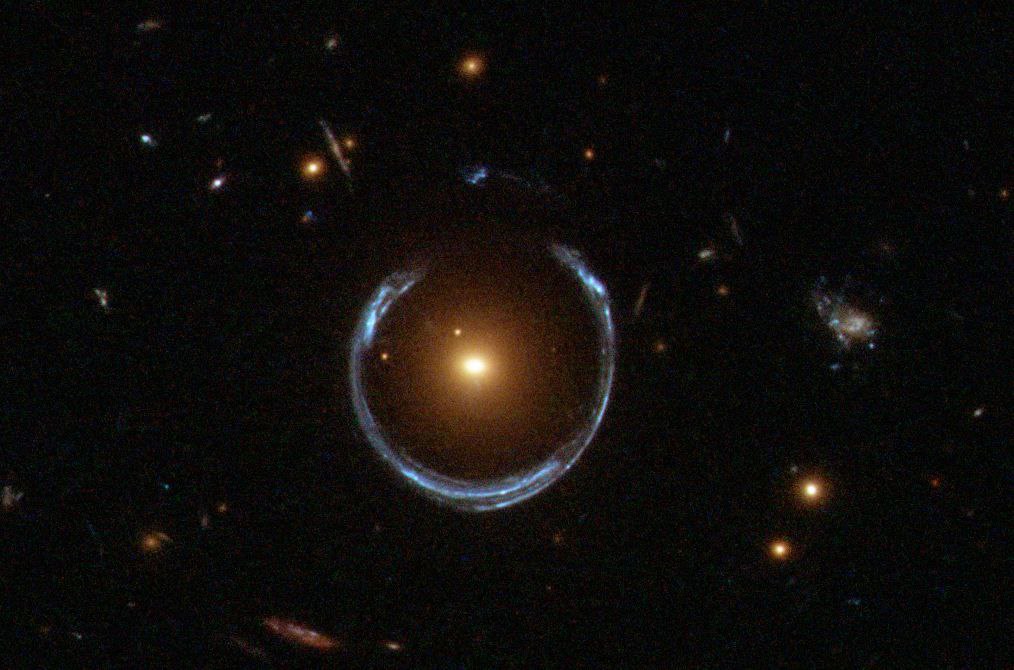
Gravitational lensing occurs when a massive celestial body — such as a galaxy cluster — causes a sufficient curvature of spacetime for the path of light around it to be visibly bent, as if by a lens. The body causing the light to curve is accordingly called a gravitational lens.
━━━━━━━━━━━━
☢ @Physics ⚡| @Education 📖
━━━━━━━━━━━━
☢ @Physics ⚡| @Education 📖
👍31🔥13❤10🤩5👎3
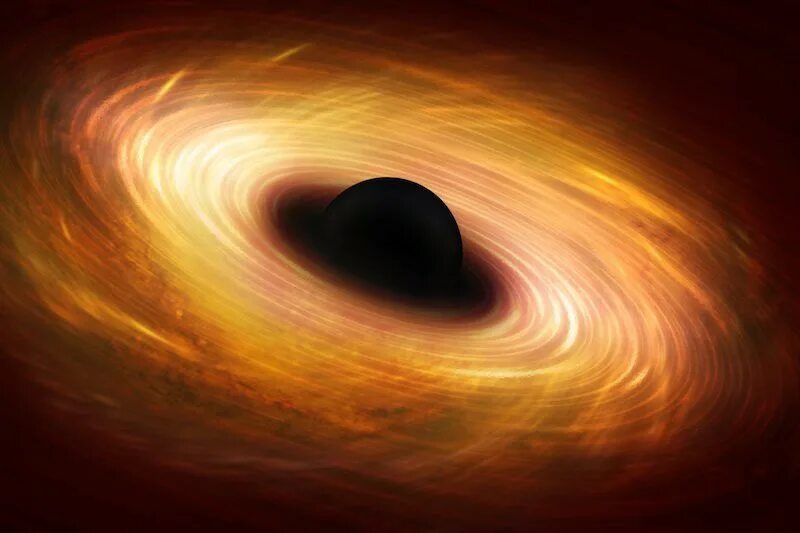
Despite the name, black holes are actually the brightest objects in the universe. Even though we can't see past the event horizon, they can generate more energy than the galaxies in which they are housed.
━━━━━━━━━━━━
☢ @Physics ⚡| @Education 📖
━━━━━━━━━━━━
☢ @Physics ⚡| @Education 📖
🔥47👍20❤13🤩9
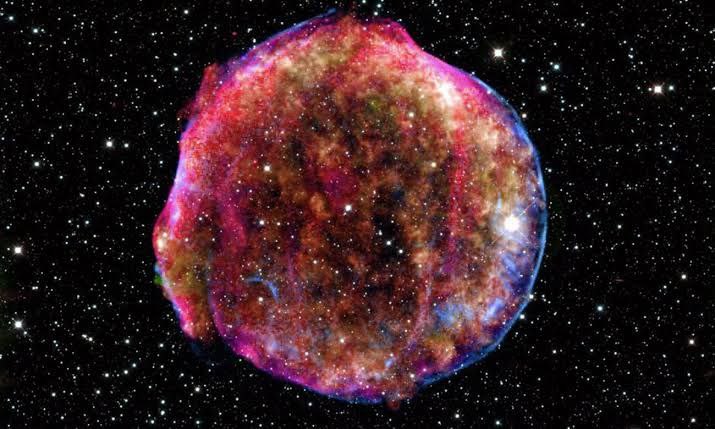
Supernovas are so bright that they outshine the entire galaxy. Their brightness is equivalent to 10 billion suns. The energy released in supernova is 10⁴⁴ joules, which is equal to the energy released by the Sun in its 10 billion years of lifetime.
━━━━━━━━━━━━
☢ @Physics ⚡| @Education 📖
━━━━━━━━━━━━
☢ @Physics ⚡| @Education 📖
😱50👍30🤩14🔥10❤3
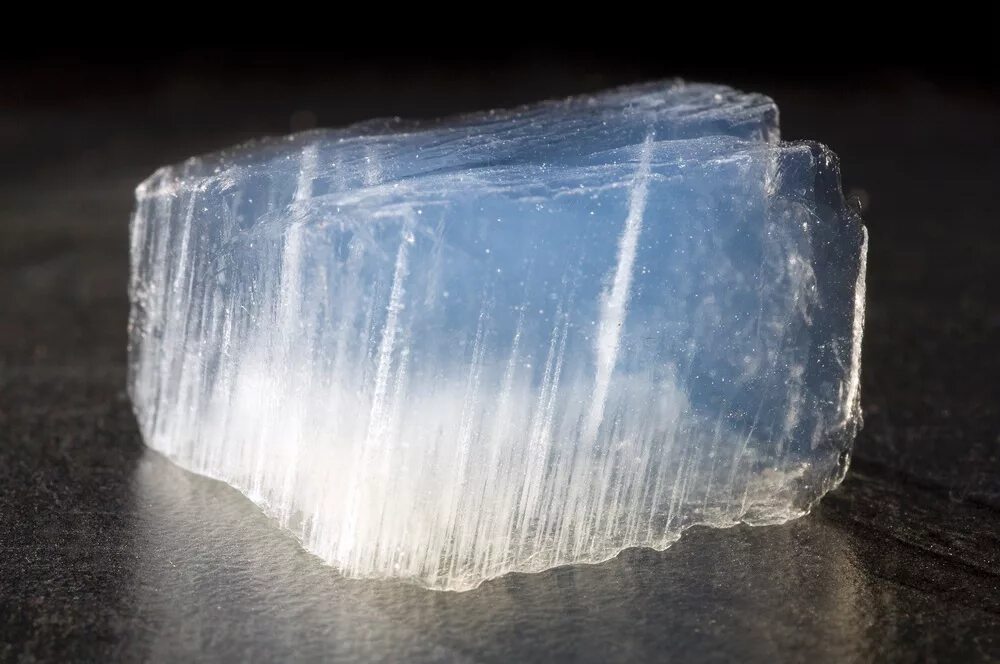
Aerogel, also known as frozen smoke, is the world's lowest density solid, clocking in at 96% air. If you hold a small piece in your hand, it's practically impossible to either see or feel, but if you poke it, it's like styrofoam It supports up to 4,000 times its own weight and can withstand a direct blast from two pounds of dynamite. It's also the best insulator in existence.
👍43🔥19❤18😱15🤩8
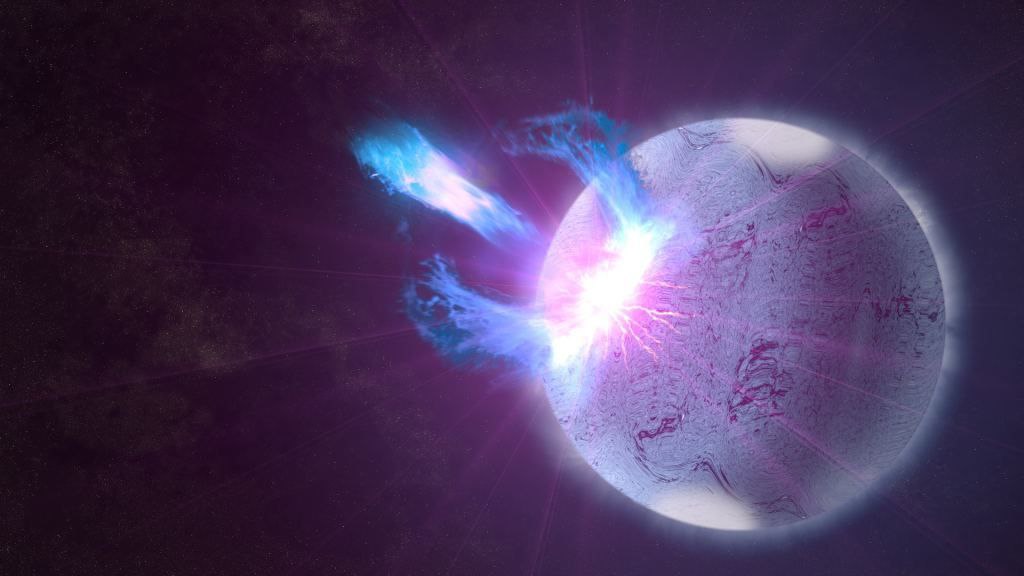
🪐 A NEW RECORD FOR THE STRONGEST MAGNETIC FIELD SEEN IN THE UNIVERSE: 1.6 BILLION TESLA
▶️ A team of astronomers using the Chinese Insight-HXMT x-ray telescope have made a direct measurement of the strongest magnetic field in the known universe. The magnetic field belongs to a magnetar currently in the process of cannibalizing an orbiting companion.
▶️ They estimated a field strength of 1.6 billion tesla, which is about a million billion times stronger than the Earth’s magnetic field.
━━━━━━━━━━━━
☢ @Physics ⚡| @Education 📖
👍39❤14🤩12🔥9😱4
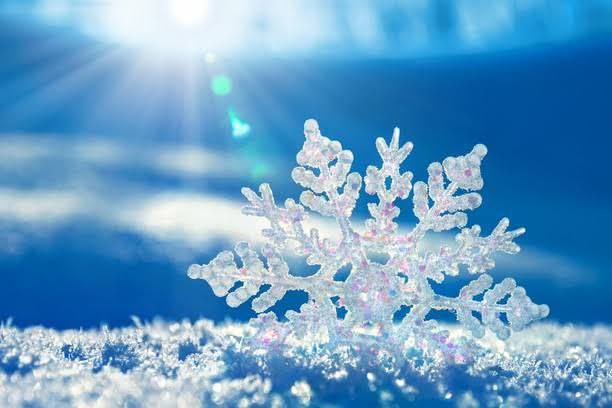
Snow is white because snowflakes are complex. Their intricate, complicated structures don't allow light to pass through. All the wavelengths of light are reflected, which makes the snow appear white.
━━━━━━━━━━━━
☢ @Physics ⚡| @Education 📖
━━━━━━━━━━━━
☢ @Physics ⚡| @Education 📖
🔥43👍21❤14🤩14😁2
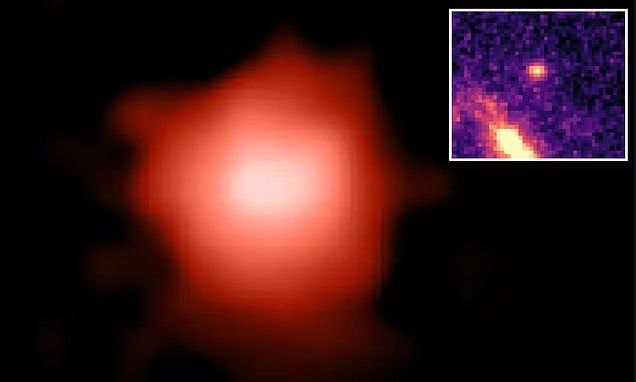
NASA's James Webb Space Telescope (JWST) has created a new record of detecting the oldest light in the universe. The picture here you see is the galaxy located 1 3.5 billion light years away from us which is the farthest ever detected, which means we see it as 13.5 billion years ago.
━━━━━━━━━━━━
☢ @Physics ⚡| @Education 📖
━━━━━━━━━━━━
☢ @Physics ⚡| @Education 📖
👍41😱24🔥21❤12🤩7🎉1
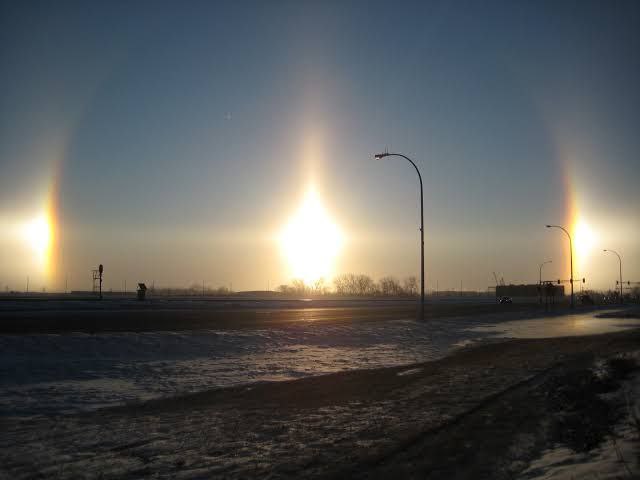
A sun dog (or sundog) or mock sun, also called a parhelion in meteorology, is an atmospheric optical phenomenon that consists of a bright spot to one or both sides of the Sun. Two sun dogs often flank the Sun within a 22° halo. The sun dog is a member of the family of halos caused by the refraction of sunlight by ice crystals in the atmosphere. Sun dogs typically appear as a pair of subtly colored patches of light, around 22° to the left and right of the Sun, and at the same altitude above the horizon as the Sun. They can be seen anywhere in the world during any season, but are not always obvious or bright. Sun dogs are best seen and most conspicuous when the Sun is near the horizon.
━━━━━━━━━━━━
☢ @Physics ⚡| @Education 📖
━━━━━━━━━━━━
☢ @Physics ⚡| @Education 📖
👍43🔥21❤19😱3🤩3