
In astronomy and navigation, the celestial sphere is an abstract sphere that has an arbitrarily large radius and is concentric to Earth. All objects in the sky can be conceived as being projected upon the inner surface of the celestial sphere, which may be centered on Earth or the observer. If centered on the observer, half of the sphere would resemble a hemispherical screen over the observing location. The celestial sphere is a conceptual tool used in spherical astronomy to specify the position of an object in the sky without consideration of its linear distance from the observer. The celestial equator divides the celestial sphere into northern and southern hemispheres.
━━━━━━━━━━━
☢ @Physics ⚡| @Education 📖
━━━━━━━━━━━
☢ @Physics ⚡| @Education 📖
👍28🔥11❤10😱3
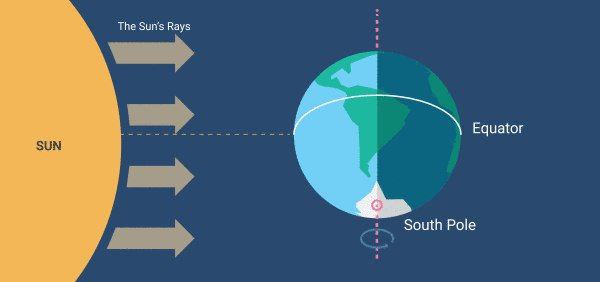
▶️ The September equinox (or southward equinox) is the moment when the Sun appears to cross the celestial equator, heading southward. Because of differences between the calendar year and the tropical year, the September equinox may occur anytime from September 21 to 24.
▶️ At the equinox, the Sun as viewed from the equator rises due east and sets due west. Before the Southward equinox, the Sun rises and sets more northerly, and afterwards, it rises and sets more southerly.
▶️ The equinox may be taken to mark the end of astronomical summer and the beginning of astronomical autumn (autumnal equinox) in the Northern Hemisphere, while marking the end of astronomical winter and the start of astronomical spring (vernal equinox) in the Southern Hemisphere.
━━━━━━━━━━━
☢ @Physics ⚡| @Education 📖
👍19❤12🔥8😱3
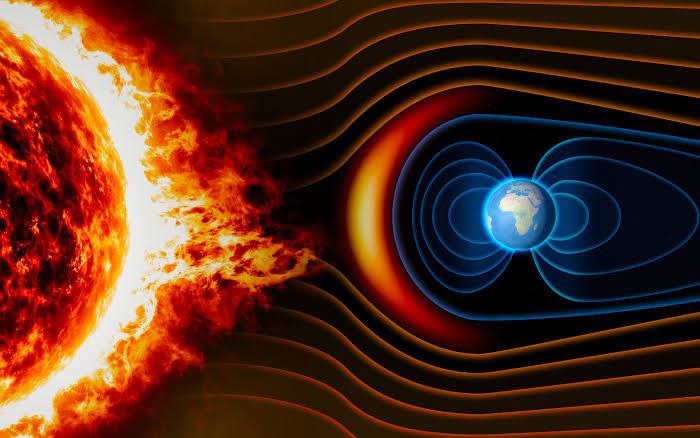
A magnetosphere is a region of space surrounding an astronomical object in which charged particles are affected by that object's magnetic field. It is created by a celestial body with an active interior dynamo. In the space environment close to a planetary body, the magnetic field resembles a magnetic dipole. Farther out, field lines can be significantly distorted by the flow of electrically conducting plasma, as emitted from the Sun (i.e., the solar wind) or a nearby star.[3][4] Planets having active magnetospheres, like the Earth, are capable of mitigating or blocking the effects of solar radiation or cosmic radiation, that also protects all living organisms from potentially detrimental and dangerous consequences. This is studied under the specialized scientific subjects of plasma physics, space physics and aeronomy.
━━━━━━━━━━━
☢ @Physics ⚡| @Education 📖
━━━━━━━━━━━
☢ @Physics ⚡| @Education 📖
👍27❤12🔥12😱4🎉4
If our Sun is made to shrink to a radius of 3 Km, it'll collapse under its own gravity and become a black hole.
━━━━━━━━━━━
☢ @Physics ⚡| @Education 📖
━━━━━━━━━━━
☢ @Physics ⚡| @Education 📖

👍36😱27❤12🔥5😢1
Apparent magnitude (m) is a measure of the brightness of a star or other astronomical object observed from Earth. An object's apparent magnitude depends on its intrinsic luminosity, its distance from Earth, and any extinction of the object's light caused by interstellar dust along the line of sight to the observer.
The word magnitude in astronomy, unless stated otherwise, usually refers to a celestial object's apparent magnitude. The magnitude scale dates back to the ancient Roman astronomer Claudius Ptolemy, whose star catalog listed stars from 1st magnitude (brightest) to 6th magnitude (dimmest). The modern scale was mathematically defined in a way to closely match this historical system.
━━━━━━━━━━━
☢ @Physics ⚡| @Education 📖
🔥25👍16❤9🤩2
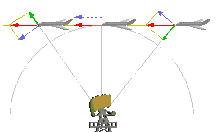
The radial velocity or line-of-sight velocity, also known as radial speed or range rate, of a target with respect to an observer is the rate of change of the distance or range between the two points. It is equivalent to the vector projection of the target-observer relative velocity onto the relative direction connecting the two points. In astronomy, the point is usually taken to be the observer on Earth, so the radial velocity then denotes the speed with which the object moves away from the Earth (or approaches it, for a negative radial velocity).
The image down below represents a plane flying past a radar station: the plane's velocity vector (red) is the sum of the radial velocity (green) and the tangential velocity (blue).
━━━━━━━━━━━
☢ @Physics ⚡| @Education 📖
The image down below represents a plane flying past a radar station: the plane's velocity vector (red) is the sum of the radial velocity (green) and the tangential velocity (blue).
━━━━━━━━━━━
☢ @Physics ⚡| @Education 📖
👍24🔥9❤6🎉5😁2😢1
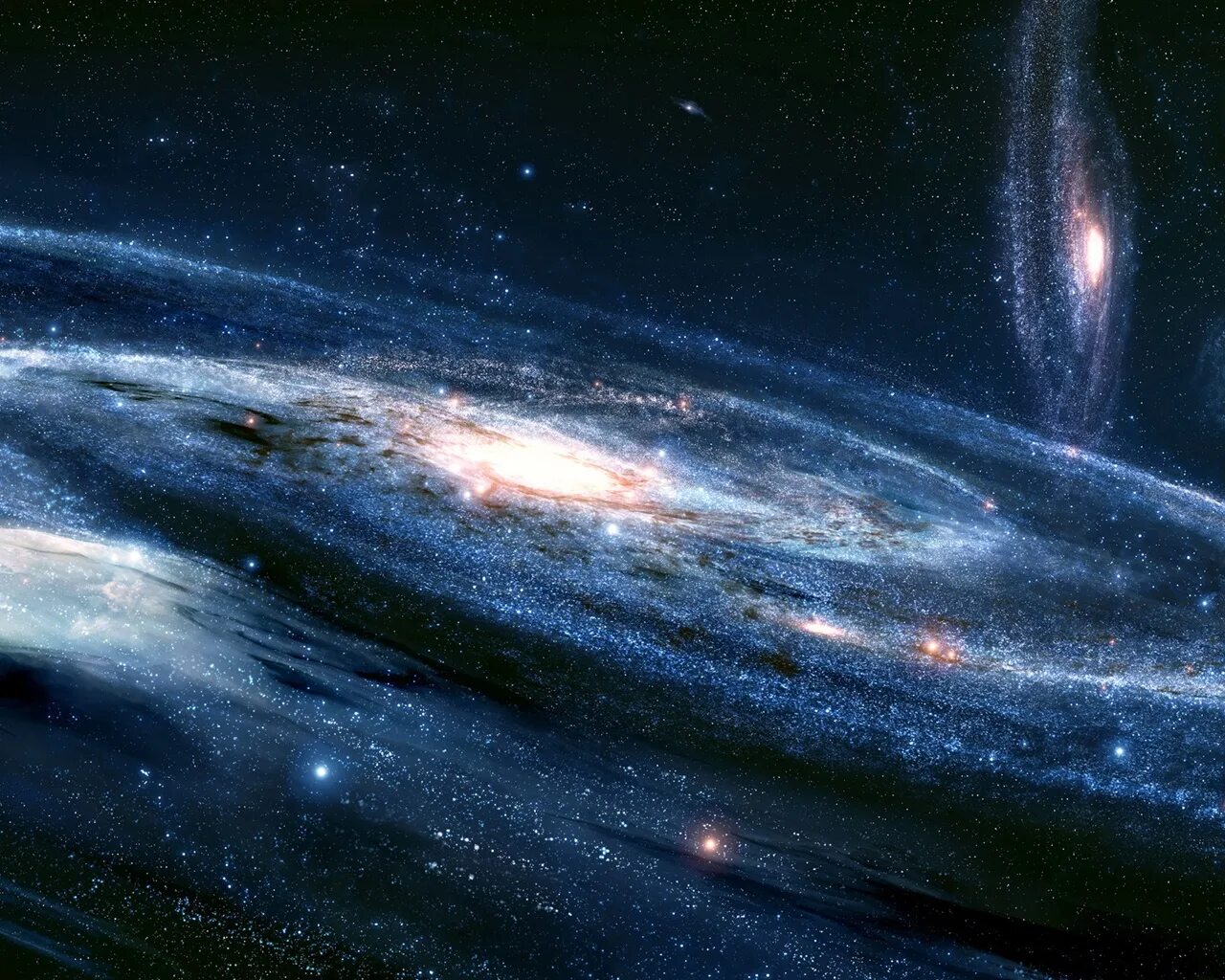
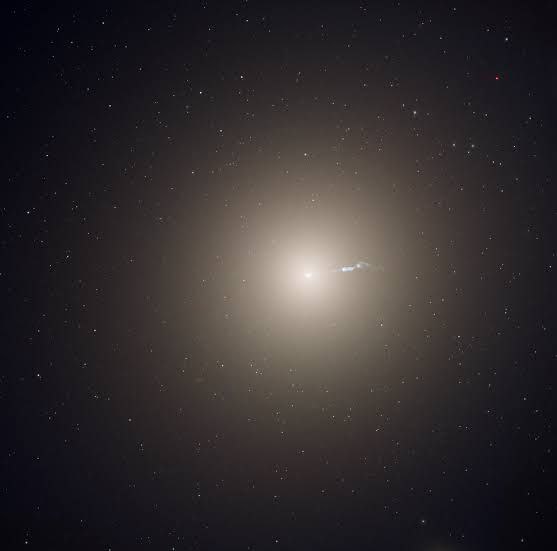
Messier 87 (also known as Virgo A or NGC 4486, generally abbreviated to M87) is a supergiant elliptical galaxy with several trillion stars in the constellation Virgo. One of the largest and most massive galaxies in the local universe,[b] it has a large population of globular clusters — about 15,000 compared with the 150–200 orbiting the Milky Way — and a jet of energetic plasma that originates at the core and extends at least 1,500 parsecs (4,900 light-years), traveling at a relativistic speed. It is one of the brightest radio sources in the sky and a popular target for both amateur and professional astronomers.
━━━━━━━━━━━
☢ @Physics ⚡| @Education 📖
━━━━━━━━━━━
☢ @Physics ⚡| @Education 📖
👍25❤10🔥6🤩1
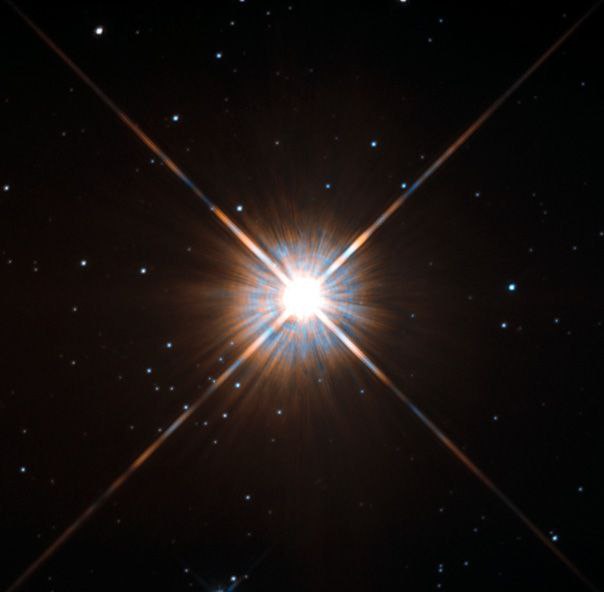
Proxima Centauri is a small, low-mass star located 4.2465 light-years (1.3020 parsec) away from the Sun in the southern constellation of Centaurus. Its Latin name means the 'nearest [star] of Centaurus'. It was discovered in 1915 by Robert Innes and is the nearest-known star to the Sun. With a quiescent apparent magnitude of 11.13, it is too faint to be seen with the unaided eye. Proxima Centauri is a member of the Alpha Centauri star system, being identified as component Alpha Centauri C, and is 2.18° to the southwest of the Alpha Centauri AB pair. It is currently 12,950 AU (0.2 ly) from AB, which it orbits with a period of about 550,000 years.
━━━━━━━━━━━
☢ @Physics ⚡| @Education 📖
━━━━━━━━━━━
☢ @Physics ⚡| @Education 📖
❤24👍17🔥11😁1
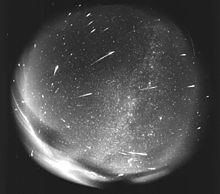
A meteor shower is a celestial event in which a number of meteors are observed to radiate, or originate, from one point in the night sky. These meteors are caused by streams of cosmic debris called meteoroids entering Earth's atmosphere at extremely high speeds on parallel trajectories. Most meteors are smaller than a grain of sand, so almost all of them disintegrate and never hit the Earth's surface. Very intense or unusual meteor showers are known as meteor outbursts and meteor storms, which produce at least 1,000 meteors an hour, most notably from the Leonids. The Meteor Data Centre lists over 900 suspected meteor showers of which about 100 are well established. Several organizations point to viewing opportunities on the Internet. NASA maintains a daily map of active meteor showers.
━━━━━━━━━━━
☢ @Physics ⚡| @Education 📖
━━━━━━━━━━━
☢ @Physics ⚡| @Education 📖
👍22🔥11❤7🤩5
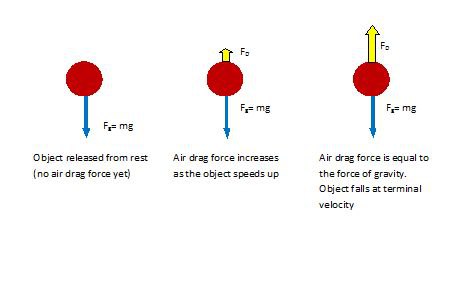
Terminal velocity is the maximum velocity (speed) attainable by an object as it falls through a fluid (air is the most common example). It occurs when the sum of the drag force (Fd) and the buoyancy is equal to the downward force of gravity (Fg) acting on the object. Since the net force on the object is zero, the object has zero acceleration.
In fluid dynamics an object is moving at its terminal velocity if its speed is constant due to the restraining force exerted by the fluid through which it is moving.
As the speed of an object increases, so does the drag force acting on it, which also depends on the substance it is passing through (for example air or water). At some speed, the drag or force of resistance will equal the gravitational pull on the object (buoyancy is considered below). At this point the object stops accelerating and continues falling at a constant speed called the terminal velocity (also called settling velocity). An object moving downward faster than the terminal velocity (for example because it was thrown downwards, it fell from a thinner part of the atmosphere, or it changed shape) will slow down until it reaches the terminal velocity. Drag depends on the projected area, here represented by the object's cross-section or silhouette in a horizontal plane. An object with a large projected area relative to its mass, such as a parachute, has a lower terminal velocity than one with a small projected area relative to its mass, such as a dart. In general, for the same shape and material, the terminal velocity of an object increases with size. This is because the downward force (weight) is proportional to the cube of the linear dimension, but the air resistance is approximately proportional to the cross-section area which increases only as the square of the linear dimension. For very small objects such as dust and mist, the terminal velocity is easily overcome by convection currents which prevent them from reaching the ground and hence they stay suspended in the air for indefinite periods. Air pollution and fog are examples of convection currents.
━━━━━━━━━━━
☢ @Physics ⚡| @Education 📖
👍24❤10🔥9