
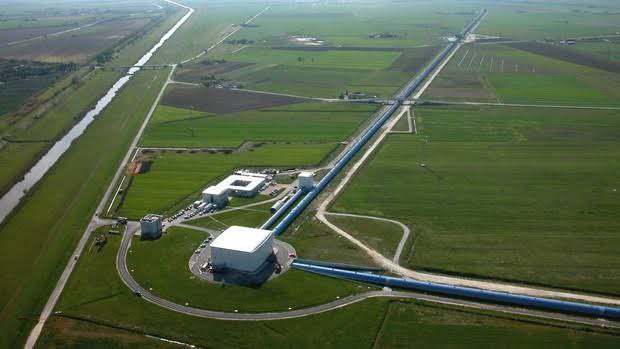
Two lasers at right angles to one another, each four kilometres in length, were used to make the landmark 2015 detection of gravitational waves by the LIGO collaboration. The gravitational ripples created by two black holes coliding 1.3 billion years ago caused one of the lasers to shorten in a tiny but measurable way.
━━━━━━━━━━━━
☢ @Physics ⚡| @Education 📖
━━━━━━━━━━━━
☢ @Physics ⚡| @Education 📖
🔥32👍17❤8
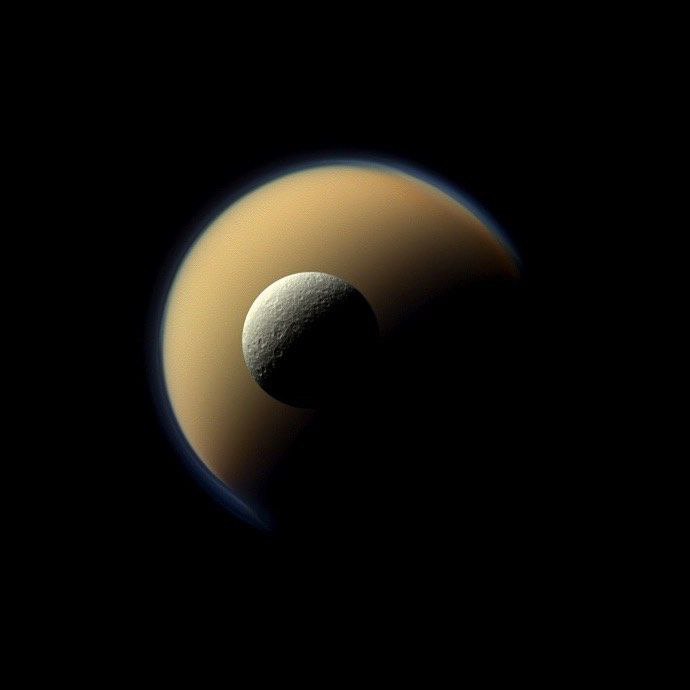
Saturn's largest and second largest moons, Titan and Rhea, appear to be stacked on top of each other in this true-color scene from NASA's Cassini spacecraft. The north polar hood can be seen on Titan (3,200 miles) appearing as a detached layer at the top of the moon on the top right. This view looks toward the Saturn-facing side of Rhea (949 miles).
━━━━━━━━━━━━
☢ @Physics ⚡| @Education 📖
━━━━━━━━━━━━
☢ @Physics ⚡| @Education 📖
🔥31👍15❤9🎉5🤩4😱2😢2
⛽ FUEL LEAK DELAYS NASA'S ARTEMIS 1 MOON MISSION LAUNCH
▶️ The space agency hoped to launch its Artemis 1 moon mission atop a towering Space Launch System (SLS) megarocket at 2:17 p.m. EDT (1817 GMT) on Saturday, but a hydrogen fuel leak detected about seven hours before liftoff thwarted the attempt.
▶️ "We have a scrub for the day, a cutoff, of the launch attempt for Artemis 1," NASA commentator Derrol Nail said at 11:17 a.m. EDT (1518 GMT) during a live broadcast.
▶️ NASA engineers repeatedly tried to staunch the fuel leak during the Artemis 1 countdown. First, they tried to warm the tank connector and chill it with cold fuel to reseat the hydrogen quick disconnect connector. Next, engineers tried to repressurize it with helium, and then returned to the warm-and-chill method to stop the leak. All three attempts failed.
💻 Source: Space.com
━━━━━━━━━━━━
☢ @Physics ⚡| @Education 📖

👍25🔥16❤6😢6
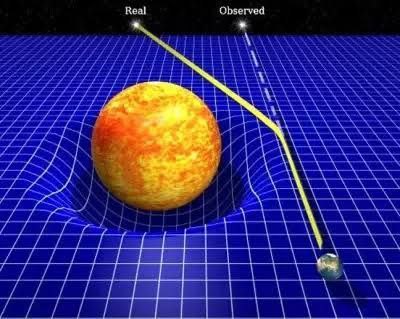
Since light bends around heavy objects, we can see some stars that are actually located behind the Sun.
━━━━━━━━━━━━
☢ @Physics ⚡| @Education 📖
━━━━━━━━━━━━
☢ @Physics ⚡| @Education 📖
🔥38❤19👍17🤩7😱5😁1
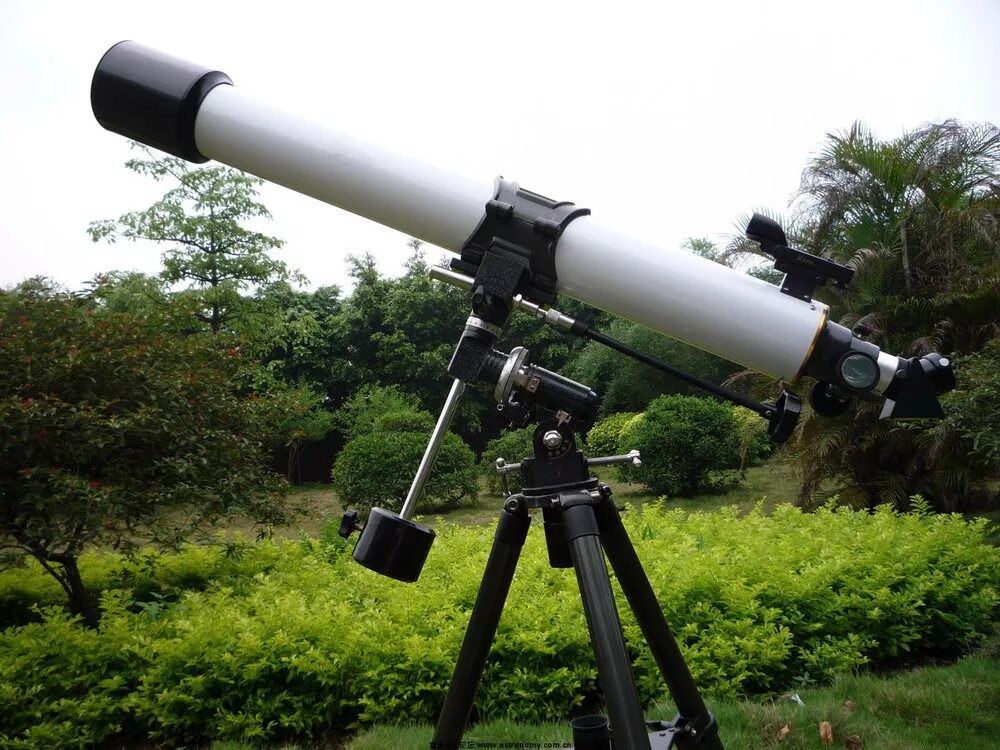
Telescopes are like time machines, the farther you look in space, the more backward you look in time. If you are looking for a star at 10 light years, which means you are looking as it was 10 years ago because the light from that star had taken 10 years to reach us.
━━━━━━━━━━━━
☢ @Physics ⚡| @Education 📖
━━━━━━━━━━━━
☢ @Physics ⚡| @Education 📖
🔥55👍20❤15🤩13
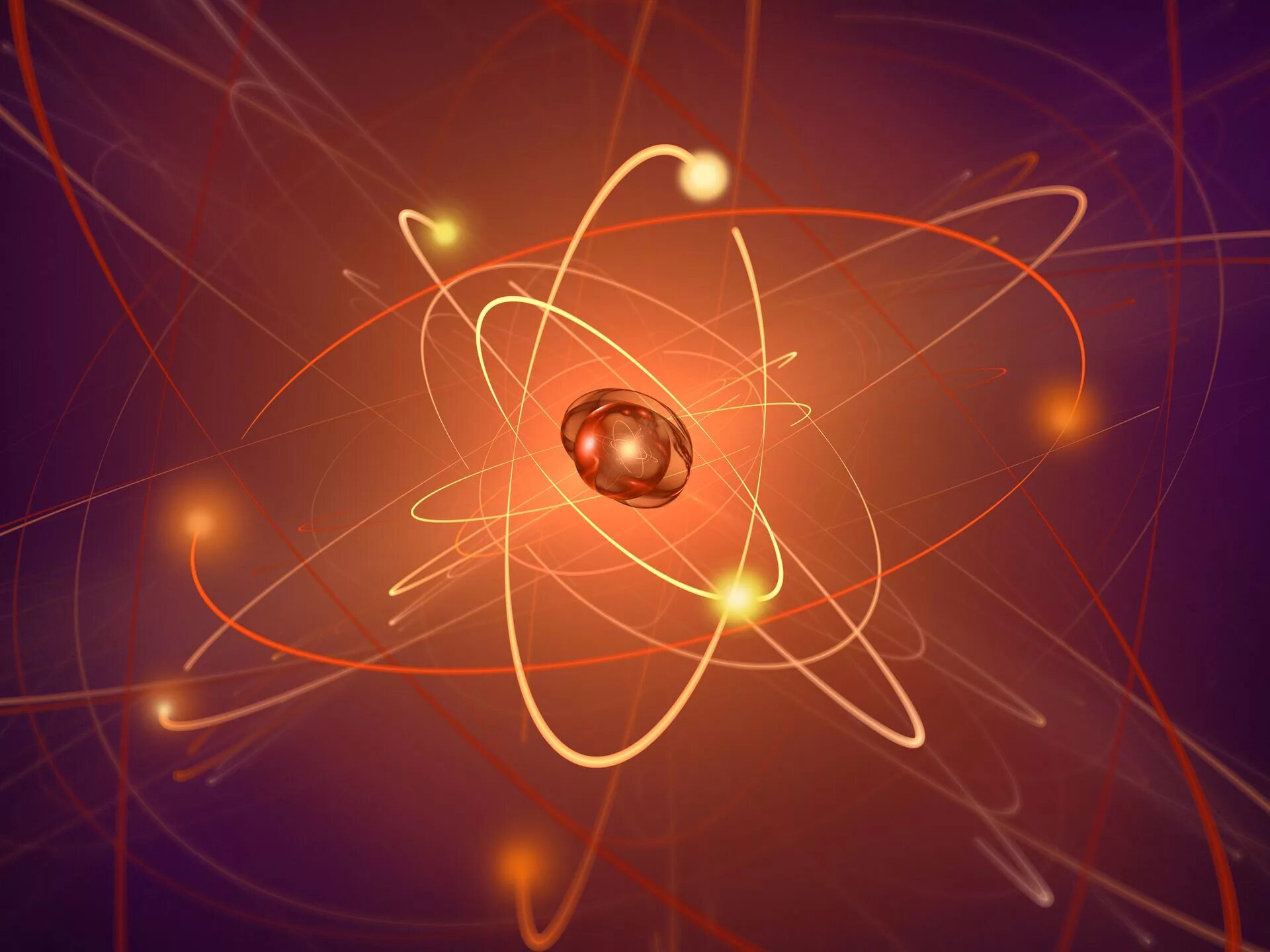
The strong nuclear force also binds protons and neutrons in the nucleus of atoms. The weak nuclear force enabled complex atoms to form through nuclear fusion. If the strong and weak nuclear forces did not exist, then stars, galaxies, and planets would never have been formed.
━━━━━━━━━━━━
☢ @Physics ⚡| @Education 📖
━━━━━━━━━━━━
☢ @Physics ⚡| @Education 📖
🔥49👍15😱8❤7
Atmospheric escape is the loss of planetary atmospheric gases to outer space. A number of different mechanisms can be responsible for atmospheric escape; these processes can be divided into thermal escape, non-thermal (or suprathermal) escape, and impact erosion. The relative importance of each loss process depends on the planet's escape velocity, its atmosphere composition, and its distance from its star. Escape occurs when molecular kinetic energy overcomes gravitational energy; in other words, a molecule can escape when it is moving faster than the escape velocity of its planet. Categorizing the rate of atmospheric escape in exoplanets is necessary to determine whether an atmosphere persists, and so the exoplanet's habitability and likelihood of life.
━━━━━━━━━━━━
☢ @Physics ⚡| @Education 📖
━━━━━━━━━━━━
☢ @Physics ⚡| @Education 📖

👍30❤7🔥7
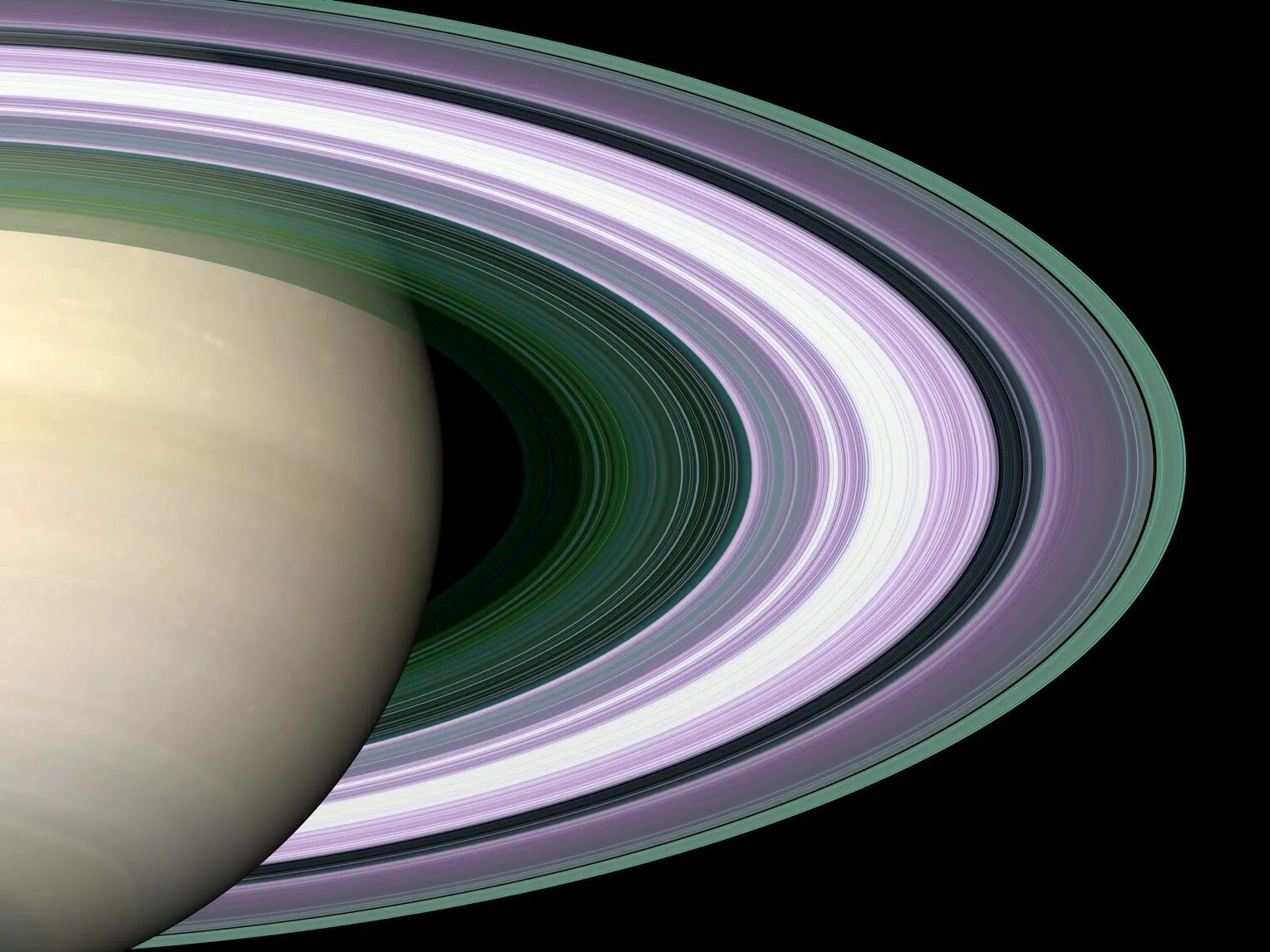
🪐 SATURN'S RINGS
▶️ Galileo Galilei was the first to see Saturn's rings in 1610, although from his telescope the rings looked more like handles or arms. Forty five years later, in 1655, Dutch astronomer Christiaan Huygens, who had a more powerful telescope, later proposed that Saturn had a thin, flat ring.
▶️ As scientists developed better instruments, they continued to learn more about the structure and composition of the rings. Saturn actually has many rings made of billions of particles of ice and rock, ranging in size from a grain of sugar to the size of a house. The particles are believed to be debris left over from comets, asteroids or shattered moons. A 2016 study also suggested the rings may be the carcasses of dwarf planets.
▶️ The largest ring spans 7,000 times the diameter of the planet. The main rings are typically only about 30 feet (9 meters) thick, but the Cassini-Huygens spacecraft revealed vertical formations in some of the rings, with particles piling up in bumps and ridges more than 2 miles (3 km) high.
▶️ The rings are named alphabetically in the order they were discovered. The main rings, working out from the planet, are known as C, B and A. The innermost is the extremely faint D ring, while the outermost to date, revealed in 2009, is so big that it could fit a billion Earths within it. The Cassini Division, a gap some 2,920 miles (4,700 km) wide, separates rings B and A.
━━━━━━━━━━━━
☢ @Physics ⚡| @Education 📖
👍52🔥16❤11
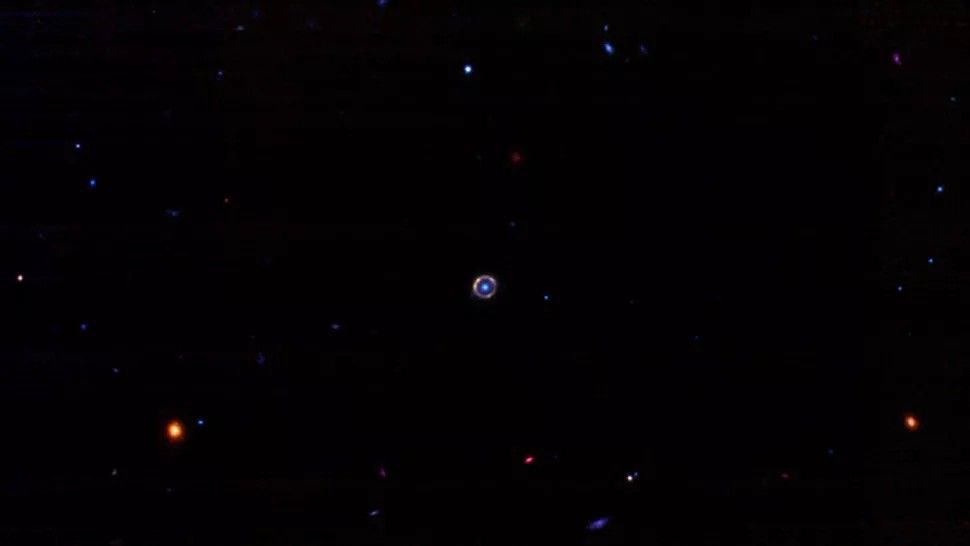
🔵 STUNNINGLY PERFECT 'EINSTEIN RING' CAPTURED BY JAMES WEBB SPACE TELESCOPE
▶️ NASA's James Webb Space Telescope has snapped a perfect shot of an "Einstein ring."
▶️ The stunning halo is the result of light from a distant galaxy passing through warped space-time surrounding another galaxy aligned between the distant light source and Earth. The new James Webb Space Telescope image, which was created by a Reddit-based astronomy enthusiast, is one of the best examples of the trippy astronomical phenomenon ever captured.
▶️ The ring of light in the new image comes from the distant galaxy SPT-S J041839-4751.8 (or JO418 for short), which is around 12 billion light-years from Earth, making it one of the oldest galaxies in the universe. JO418 is orientated directly behind another galaxy — the bright blue light at the center of the ring — which is so massive that its gravitational pull warps the space-time around it. As light from JO418 reaches the foreground galaxy it travels through this warped space-time. From Earth, it looks as though the light has curved around the galaxy, but the electromagnetic waves we see have actually been traveling in a straight line the entire time.
Source: space.com
Image Credit: SpaceGuy44
━━━━━━━━━━━━
☢ @Physics ⚡| @Education 📖
👍31🤩13❤9🔥6
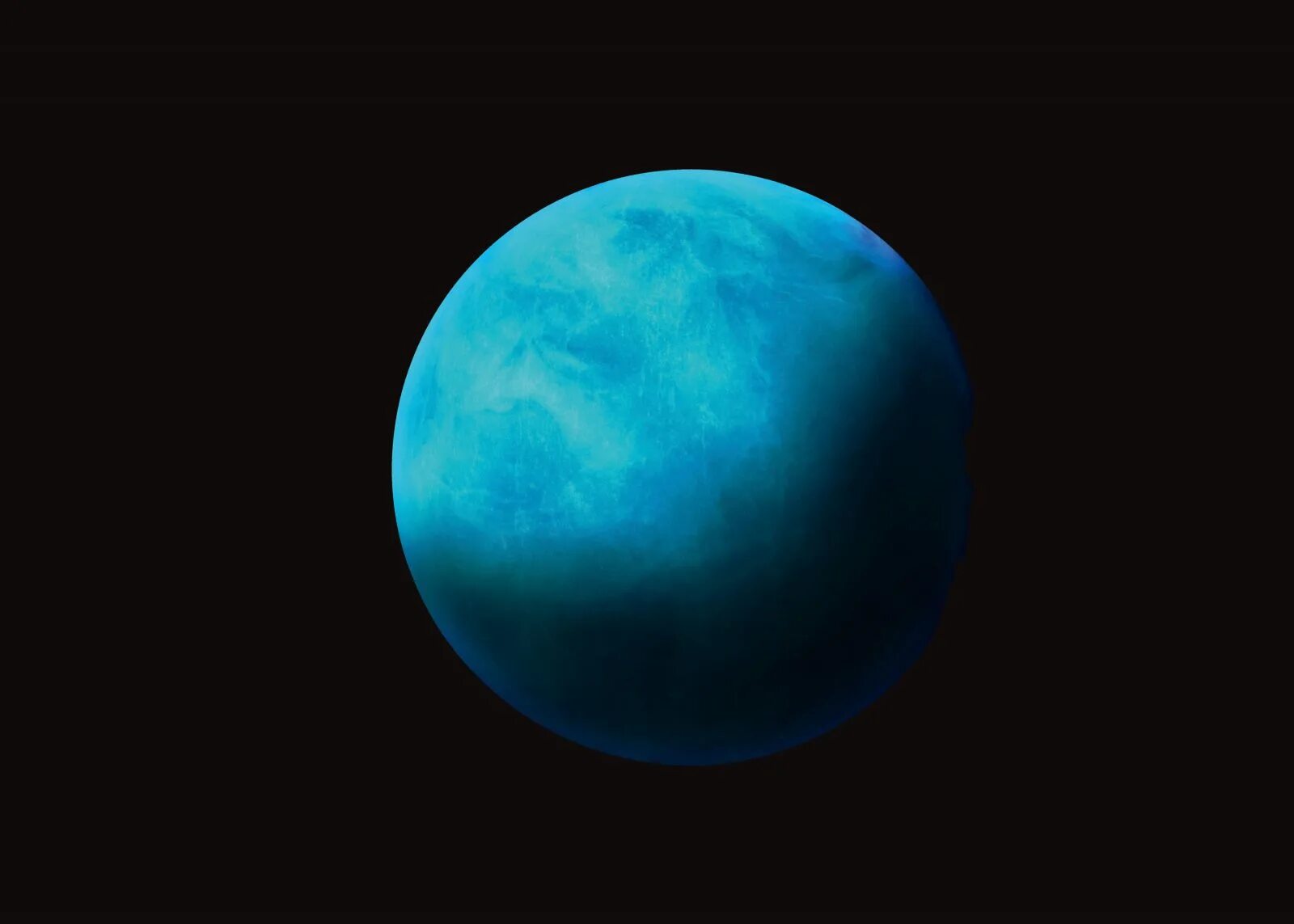
Unlike the other planets of the solar system, Uranus is tilted so far that it essentially orbits the sun on its side, with the axis of its spin nearly pointing at the star. This unusual orientation might be due to a collision with a planet-size body, or several small bodies, soon after it was formed. A 2018 study suggested the colliding world could have been twice the size of Earth.
This unusual tilt gives rise to extreme seasons that last for about 20 years. This means that for nearly a quarter of the Uranian year, which is equal to 84 Earth-years, the sun shines directly over each pole, leaving the other half of the planet to experience a long, dark and frigid winter.
━━━━━━━━━━━━
☢ @Physics ⚡| @Education 📖
🔥28❤15👍13👎3