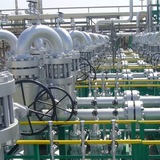
A pressure relief valve (PRV) is a safety device designed to protect equipment and systems from over-pressurization. It opens to release excess pressure when it exceeds a set limit, preventing damage or catastrophic failure.
*Key functions:*
1. *Pressure protection*: Safeguards equipment and systems from over-pressure.
2. *Safety*: Prevents accidents and injuries.
3. *System integrity*: Maintains system stability and prevents damage.
*Common applications:*
1. *Industrial processes*: Chemical processing, oil and gas, power generation.
2. *Piping systems*: Protects pipes and equipment from over-pressure.
3. *Pressure vessels*: Safeguards tanks, boilers, and other pressure vessels.
*Types:*
1. *Spring-loaded PRVs*: Use a spring to hold the valve closed.
2. *Pilot-operated PRVs*: Use a pilot valve to control the main valve.
PRVs are crucial for ensuring safety and preventing equipment damage in various industries.
#PressureReliefValve #SafetyValve #IndustrialSafety #PressureProtection #ValveSolutions
Pipe Schedule Chart | Complete Thickness & Size Reference:-
#pipesupports #pipeclamps #piping #pipingengineering #pipingsystem #pipework
#pipingtutorial #pipingtechniques #pipefittings
#pipefabrication #mechanicalfitter #pipingtips #mechanicalengineering #pipewelder #valves #pipingflowers #engineering #fabrication #pipingsupervisor #pipingdesign #pipefitter #welding #welder #weldinglife #pipefitting #fbpost2025シfb #viralpost2025シ #fbpost2026シfb #fbpost2026シ
All WELDING position #piping #fabrication #pipingtechniques #socialmedia #instagram #engineering #shorts #mechanical #pump
Single-stage centrifugal pumps are essential workhorses in industries, and mastering their assembly and maintenance is key to long-lasting, efficient operation. Here's a detailed rundown:
Assembly:
- Start by installing inner and outer bearings into the bearing block, then insert the keyed shaft through them.
The impeller must be statically balanced and meet technical specs before mounting it on the shaft and tightening the nut.
- Wrap the packing rings around the shaft sleeve carefully, push them into the stuffing box, and compress evenly with the packing gland.
- Insert the entire rotor assembly into the pump casing, secure it with nuts, and ensure proper alignment.
- Always clean parts thoroughly and apply rust-proof oil on exposed surfaces during assembly to prevent corrosion.
Maintenance:
Regularly lubricate bearings and inspect mechanical seals for leaks to avoid contamination and fluid loss.
- Monitor vibration and temperature to catch early signs of imbalance or wear.
- Check coupling alignment frequently to prevent excessive vibration and premature failure.
- Inspect and clean strainers or filters to avoid blockages.
- Replace worn impellers, seals, and bearings promptly to maintain efficiency and prevent breakdowns.
Following these steps ensures your pump runs smoothly, reduces downtime, and extends service life.
#centrifugalforce #Pump #PumpMaintenance #IndustrialPumps #Mechanical Engineering #Reliability #ProcessIndustry #Mechanical