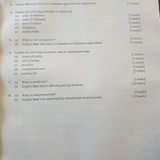
6a1. A gallery is a space, usually within a building, dedicated to the display and exhibition of various forms of art. It serves as a platform for artists and art collectors to showcase their work to the public. Galleries can feature a wide range of art forms, including paintings, sculptures, photographs, installations, and multimedia art. They often organize art exhibitions, which can be temporary or permanent, and may focus on specific themes or artists. Galleries can be independent or affiliated with institutions such as museums or educational establishments.
II. A museum is an institution that collects, preserves, studies, and exhibits objects of artistic, cultural, historical, or scientific significance for the public to view and learn from. Museums can house a wide range of collections, including artwork, artifacts, fossils, historical documents, and more. They often serve as educational spaces, providing information and interpretation of the objects on display through labels, interactive exhibits, and guided tours. Museums can be public or private, and can focus on various different themes such as art, history, science, natural history, and technology.
B. 1) Exhibition space: The primary function of a gallery is to provide a dedicated space for exhibiting artwork. Galleries serve as platforms for artists to showcase their work to the public, allowing them to interact with and engage with the art firsthand. The gallery space is designed to enhance the presentation of art, with appropriate lighting, hanging systems, and display methods to create an immersive experience for visitors.
2) Art promotion and sales: Another important function of a gallery is to promote and sell artwork.
Galleries act as intermediaries between artists and potential buyers, ensuring that the artwork gets the exposure it deserves, and facilitating sales transactions.
Galleries can attract collectors, curators, critics, and art enthusiasts, providing a network that can enhance an artist's reputation and career.
Additionally, galleries often organize openings, exhibitions, and events that bring together art enthusiasts and potential buyers, creating a dynamic marketplace for art.
Function of museum
The functions of a museum can vary depending on its specific purpose and scope. However, here are some common functions of museums:
1. Preserving and conserving artifacts: Museums are responsible for collecting, cataloging, and preserving various objects and artifacts of historical, cultural, or scientific significance. This helps in safeguarding these items for future generations and preventing their loss or destruction.
2. Research and scholarship: Museums often conduct research and contribute to scholarly knowledge in their respective fields. They may collaborate with researchers, experts, and universities to study and analyze their collections, leading to new discoveries and insights.
3. Education and public outreach: Museums play a crucial role in educating the public about various subjects, be it history, art, science, or any other field. Through exhibitions, displays, educational programs, workshops, lectures, and guided tours, museums aim to inform and engage visitors, promoting a better understanding and appreciation of the subject matter.
4. Cultural and social hub: Museums often serve as a center for cultural activities, events, and gatherings. They may host art exhibitions, performances, lectures, film screenings, workshops, and other programs that encourage community engagement and creativity.
C.Explain Exhibition
An exhibition refers to a curated event or display showcasing various objects, artifacts, works of art, or collections. Exhibitions are often held in galleries, museums, trade shows, fairs, or other public spaces to educate and engage audiences. They can focus on diverse subject matters such as history, science, technology, culture, art, or industry.