
🇺🇸🇯🇵#USDJPY #macroanalysis
🔥Just as we've discussed on our past Telegram stream!
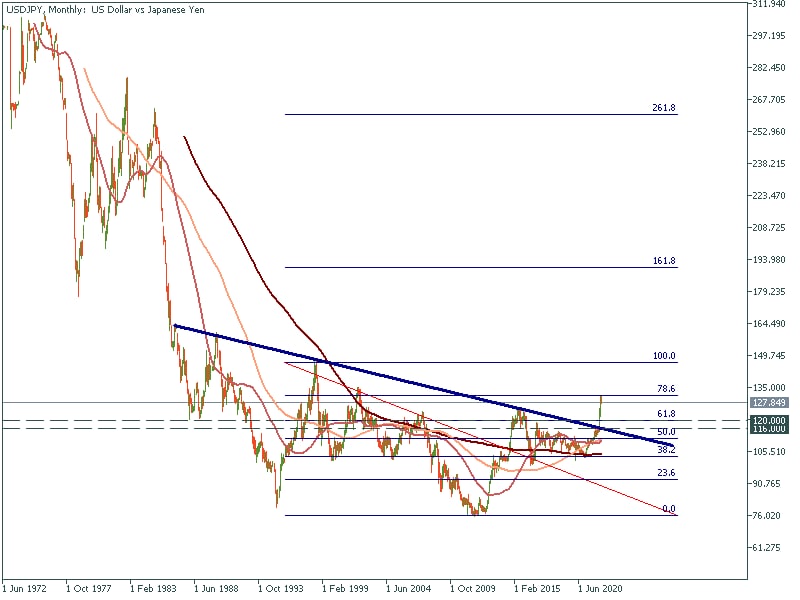
It sounds crazy, but USDJPY falls despite the US dollar index growth! The pair reversed from the 78.6 Fibonacci level, and right now, it is plunging for the retest of the global descending trend line (the blue one). Consider looking for SELL trade opportunities.
Targets: 120, 116
👍18🔥6🥰3👎1
#MacroAnalysis #EURUSD
❗️The ECB meeting in crisis - the euro might continue to decline
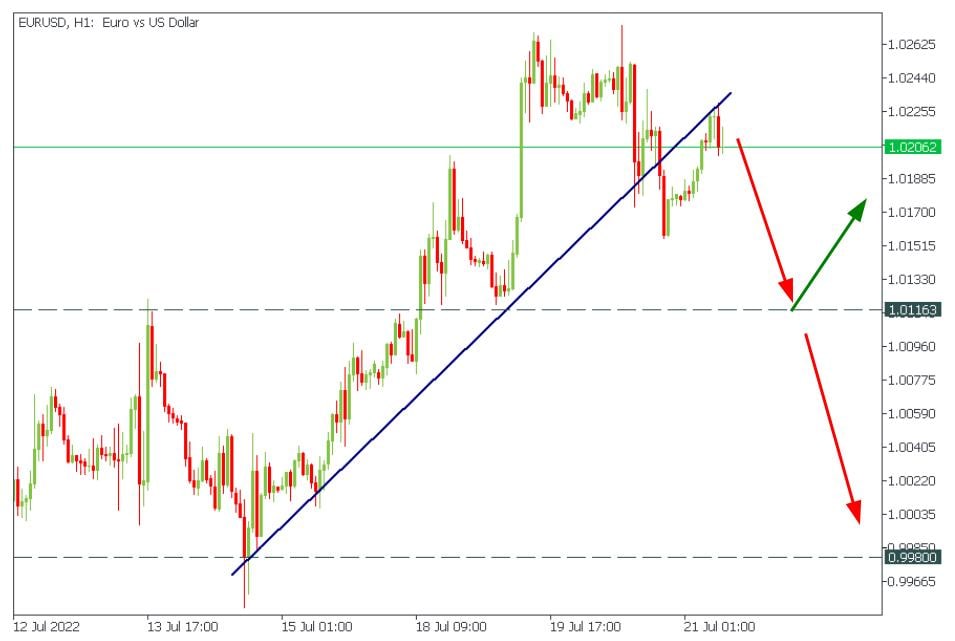
👆On Thursday, the ECB will raise interest rates for the first time in 10 years as the weakening euro requires a tough policy of the regulator.
🙅Eurozone problems
The EU is on the brink of recession due to the energy crisis. The German Uniper is already using gas from storage facilities. If it is not enough, countries might ration gas consumption. In this case, companies will reduce activity and produce less. As a result, prices for domestic goods will rise while exports decline. In this case, the euro will decrease, pushing inflation even higher.
The political environment in the EU makes it more complex. Due to instability, investors sell bonds due to instability and yields rise, destabilizing the Union's debt market. Especially in Italy, the country with the "weakest" economy.
🏦What about ECB?
The ECB will tighten its policy, but the debt burden of countries with the biggest loans will increase. Therefore, raising rates quickly is dangerous. Otherwise, a debt crisis threatens. That's why the EUR might weaken as the Fed acts much tighter and capital flows to the US.
🔥20👍15❤5👎3