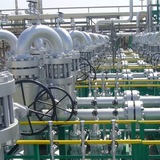
Pump sizing involves selecting a pump that meets the specific requirements of a system. Key factors to consider:
1. *Flow rate*: Volume of fluid to be pumped.
2. *Head pressure*: Pressure required to overcome resistance.
3. *Fluid properties*: Viscosity, density, and temperature.
*Sizing steps:*
1. Determine flow rate and head pressure requirements.
2. Select pump type (centrifugal, positive displacement, etc.).
3. Consider fluid properties and system conditions.
*Important considerations:*
1. *Efficiency*: Optimize pump efficiency for energy savings.
2. *Reliability*: Choose a pump that meets system demands.
3. *Maintenance*: Consider ease of maintenance and repair.
*Common applications:*
1. *Industrial processes*: Chemical processing, oil and gas, etc.
2. *Water treatment*: Drinking water, wastewater, etc.
3. *HVAC systems*: Heating, ventilation, and air conditioning.
#PumpSizing #PumpSelection #IndustrialPumps #FluidHandling #EngineeringDesign