
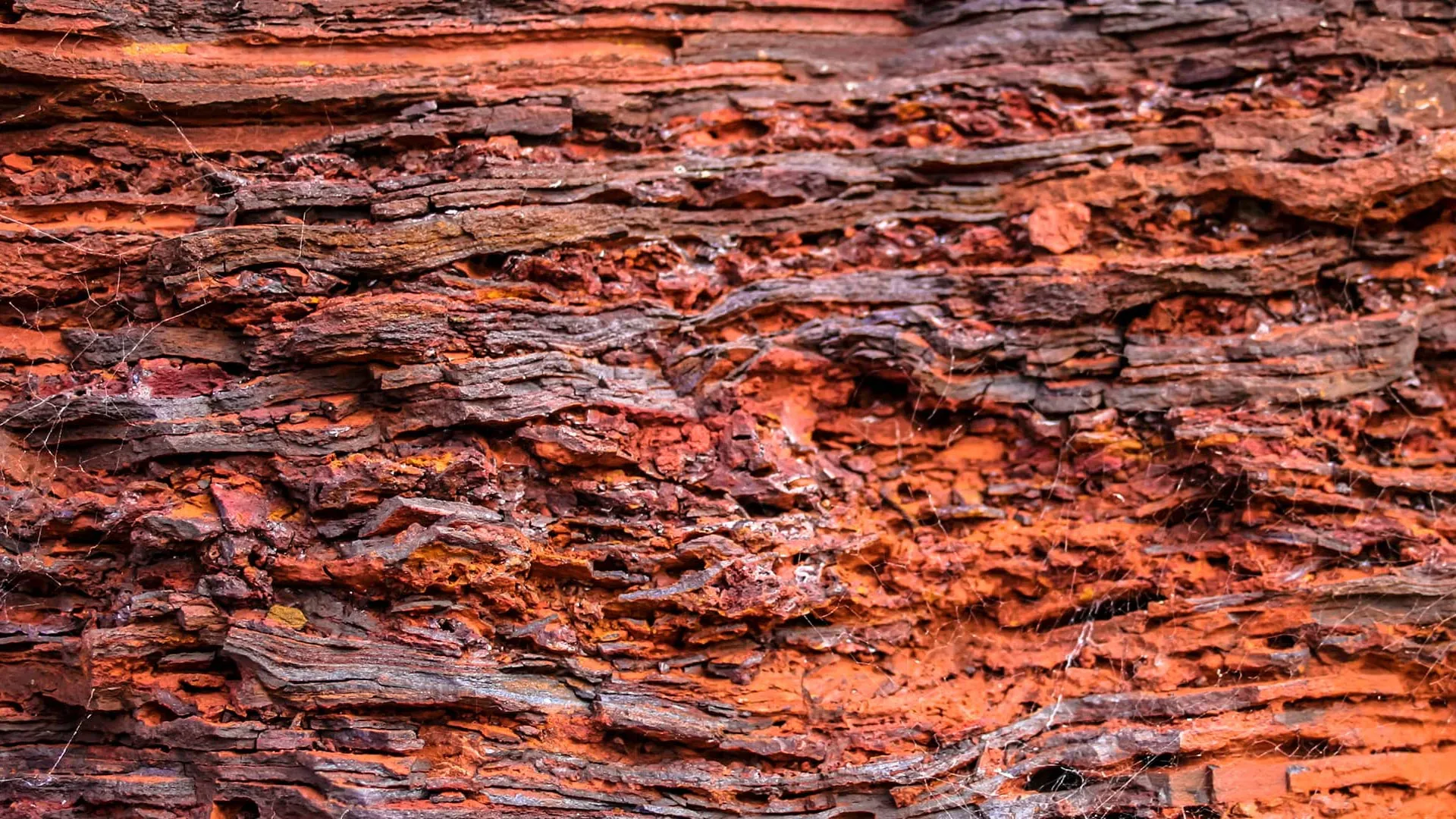
Hidden energy in the Pilbara region
Researchers at Edith Cowan University discovered that iron-rich rocks in the Pilbara region of Western Australia can generate hydrogen naturally. 🌍 This chemical process happens when minerals buried deep underground meet hot water.
The team, led by Associate Professor Alireza Keshavarz, identified a way to stimulate this reaction by injecting a solution into the rock formations.
Unlike renewable projects like wind or solar farms which often require clearing vast swathes of land for new infrastructure, this discovery offers a unique advantage. By leveraging the existing geology of the region, this method could turn a resource-heavy hub into a clean, self-replenishing power source without the massive surface-level footprint.
#energy #innovation #Australia
ScienceDaily: Technology
Subscribe
Researchers at Edith Cowan University discovered that iron-rich rocks in the Pilbara region of Western Australia can generate hydrogen naturally. 🌍 This chemical process happens when minerals buried deep underground meet hot water.
The team, led by Associate Professor Alireza Keshavarz, identified a way to stimulate this reaction by injecting a solution into the rock formations.
"Australia could be sitting on a massive, untapped energy reserve, and the potential is enormous."This means we could potentially scale up this natural production to create a significant source of clean energy. 🚀
Unlike renewable projects like wind or solar farms which often require clearing vast swathes of land for new infrastructure, this discovery offers a unique advantage. By leveraging the existing geology of the region, this method could turn a resource-heavy hub into a clean, self-replenishing power source without the massive surface-level footprint.
The fuel of the future might be hiding in our own backyard.
#energy #innovation #Australia
ScienceDaily: Technology
Subscribe
❤2
☀️ Solar farm robots get funding for local production in Australia 🤖
Building solar farms requires intense manual labor, so autonomous machines are stepping in to install panels and drive foundations. On October 12, the Australian Renewable Energy Agency announced $32.3 million in funding for Luminous Robotics and Built Robotics to manufacture these robots locally.
Back in August 2024, Built Robotics tested prototype systems designed to cut piling time and labor expenses.
The new manufacturing hubs in Melbourne and Brisbane will build about 100 panel-installing units and 12 pile-driving systems to meet clean energy targets.
#SolarEnergy #Robotics #Australia
Subscribe