
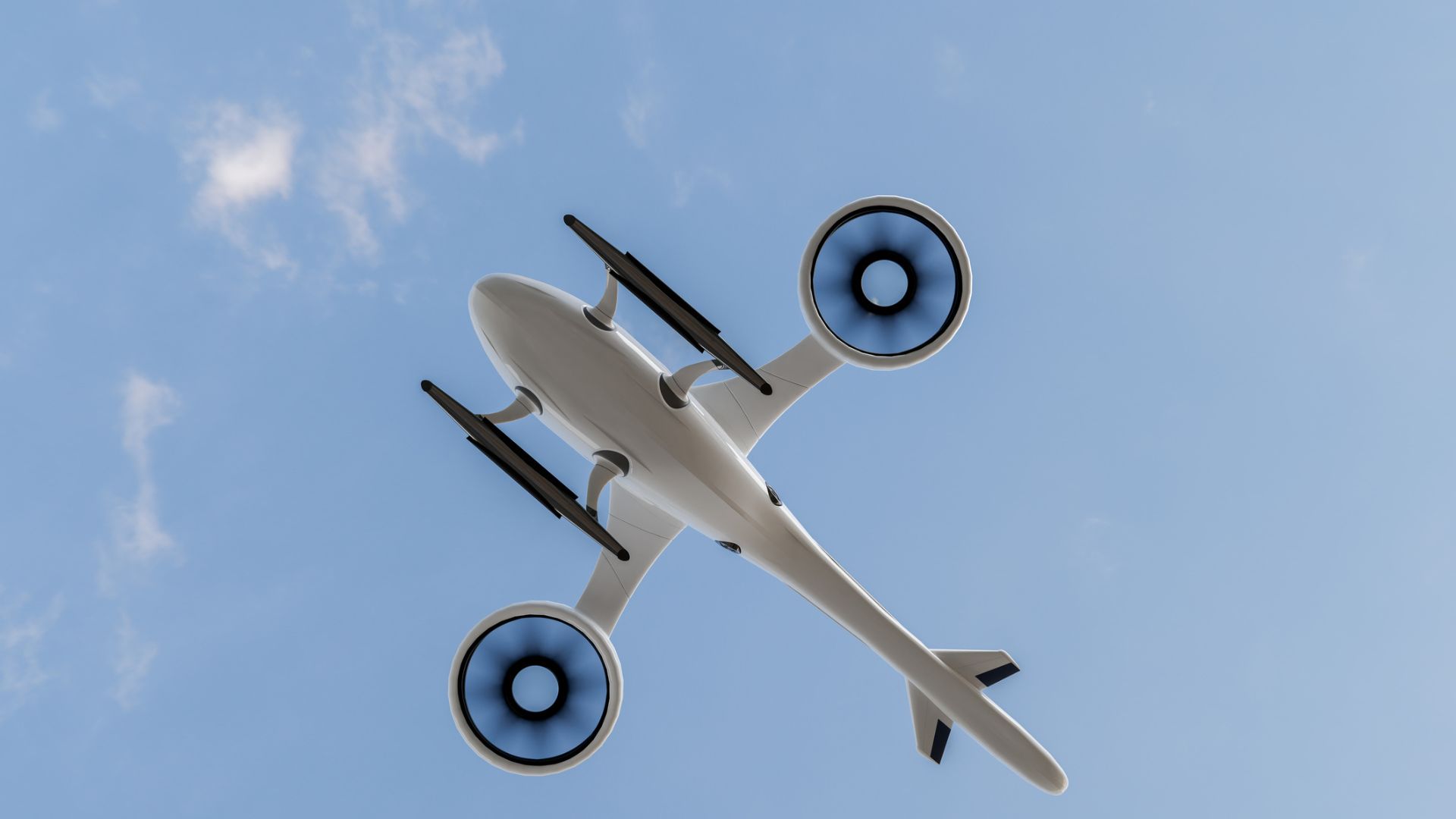
CATL aims for the sky with 350 Wh/kg batteries
CATL is moving toward mass production of a battery with an energy density of 350 Wh/kg designed specifically for electric aircraft.
When you are in the air, there is zero room for error. The company recently passed a rigorous safety test by intentionally triggering two adjacent battery cells. This checks for "thermal runaway"—a situation where one cell overheats and sets off a chain reaction of fires. Because the heat stayed contained, the system meets the tough safety standards required for passenger flying cars, or eVTOLs.
🔹 This energy density is roughly 50% higher than what you find in standard electric car batteries.
🔹 It is the world’s first aviation battery system using prismatic cells to pass this thermal runaway test.
🔹 All testing and cell production were verified by officials from the Civil Aviation Administration of China.
In an electric vehicle on the ground, extra battery weight is annoying, but in the air, it is a dealbreaker. By packing more energy into the same space compared to standard automotive packs, these batteries allow aircraft to travel further without becoming too heavy to lift off.
#CATL #aviation #tech
Interesting Engineering
Subscribe
CATL is moving toward mass production of a battery with an energy density of 350 Wh/kg designed specifically for electric aircraft.
When you are in the air, there is zero room for error. The company recently passed a rigorous safety test by intentionally triggering two adjacent battery cells. This checks for "thermal runaway"—a situation where one cell overheats and sets off a chain reaction of fires. Because the heat stayed contained, the system meets the tough safety standards required for passenger flying cars, or eVTOLs.
🔹 This energy density is roughly 50% higher than what you find in standard electric car batteries.
🔹 It is the world’s first aviation battery system using prismatic cells to pass this thermal runaway test.
🔹 All testing and cell production were verified by officials from the Civil Aviation Administration of China.
In an electric vehicle on the ground, extra battery weight is annoying, but in the air, it is a dealbreaker. By packing more energy into the same space compared to standard automotive packs, these batteries allow aircraft to travel further without becoming too heavy to lift off.
Safety in the sky is finally catching up to power.
#CATL #aviation #tech
Interesting Engineering
Subscribe
CATL unveils Tectrans II battery for heavy trucks
CATL has introduced the Tectrans II battery platform, enabling heavy-duty trucks to travel up to 1,000 km on a single charge.
This technology features an energy density of 170 Wh/kg. It supports megawatt-level charging, which brings the battery from 0 to 80% capacity in just 25 minutes. CATL showcased the platform at the IAA Transportation event to demonstrate how electric power can manage long-haul freight.
This platform offers a range and speed that finally challenges the diesel engines that have dominated long-distance trucking for decades. Testing and implementation will now focus on integrating this power density into standard heavy commercial vehicle chassis.
#CATL #EV #TechNews
Interesting Engineering
Subscribe
CATL has introduced the Tectrans II battery platform, enabling heavy-duty trucks to travel up to 1,000 km on a single charge.
This technology features an energy density of 170 Wh/kg. It supports megawatt-level charging, which brings the battery from 0 to 80% capacity in just 25 minutes. CATL showcased the platform at the IAA Transportation event to demonstrate how electric power can manage long-haul freight.
The system is designed to replace traditional diesel power in heavy-duty commercial transport.
This platform offers a range and speed that finally challenges the diesel engines that have dominated long-distance trucking for decades. Testing and implementation will now focus on integrating this power density into standard heavy commercial vehicle chassis.
#CATL #EV #TechNews
Interesting Engineering
Subscribe
❤2