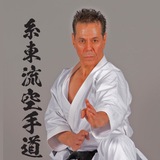
“Sen” Initiatives
Timing strategies in Kumite
- Go no Sen
- Sen no Sen
- Sensen no Sen
Timing Strategies in Kumite, managing of the timing of your responds to your opponent’s attack.
#kumite #sennosen #gonosen #sensennosen #kumitetactics #Sen #strategies #tanzadeh #shitokai #shitoryu #worldshitoryu #worldkarate #Karate #糸東会 #糸東流 #空手道 #糸東流空手 #空手 #karateinolympics
Sen no Sen, 先の先 : To anticipate an attack and to take the initiative. "Sen no Sen" is that you know what your opponent is going to do so you will strike before your opponent moves.
Sen means "before". It is also a shortened form of sen-te (literally "beforehand") and typically refers to "an attack" in Karate and Budo terms.
#sennosen #senjutsu #sen #initiative #kumite #tanzadeh #karate #karatedo #shitokai #shitoryu #worldshitoryu #Worldkarate #雲手 #空手道 #空手 #糸東流 #糸東会
Go no Sen, 後の先 (post-initiative): After the attack, block/evade and counterattack. The ‘Go’ (後) in ‘Go no sen’ means ‘after’. Quite literally, immediately after you’ve been attacked, let’s say with a punch, or indeed a flurry of punches – which you have effectively blocked/evaded – you counterattack.
Go no Sen is not just counter-attack. Go no sen is a mental state, a level of concentration assumed during combat. It is more correct to say that it is harmonization with the very movement of attack, not just defense.
#gonosen #senjutsu #sen #initiative #postinitiative #kumite #tanzadeh #karate #karatedo #shitokai #shitoryu #worldshitoryu #Worldkarate #雲手 #空手道 #空手 #糸東流 #糸東会 #後の先
Sensen no Sen, (先先の先: Superior initiative): seizing the initiative by attacking first.
Sensing your opponent's intention to attack, you take the initiative, immediately launching a pre-emptive strike. "Also called 懸の先 Ken no sen". This strategy prescribes creating an advantage over your opponent by taking the initiative in advance of your opponent's actions/ intents.
#Sensennosen #senjutsu #sen #initiative #postinitiative #kumite #tanzadeh #karate #karatedo #shitokai #shitoryu #worldshitoryu #Worldkarate #雲手 #空手道 #空手 #糸東流 #糸東会 #先先の先 #懸の先
Mitsu no sen, “三 つの 先” (three initiatives) refers to the three ways or timing in which we can disrupt our opponent and create an opening and/or opportunity to strike or attack or respond or react to our opponent’s intentions.
Sen no Sen, 先の先 : To anticipate an attack and to take the initiative. "Sen no Sen" is that you know what your opponent is going to do so you will strike before your opponent moves.
Sen means "before". It is also a shortened form of sen-te (literally "beforehand") and typically refers to "an attack" in Karate and Budo terms.
Go no Sen, 後の先 (post-initiative): After the attack, block/evade and counterattack. The ‘Go’ (後) in ‘Go no sen’ means ‘after’. Quite literally, immediately after you’ve been attacked, let’s say with a punch, or indeed a flurry of punches – which you have effectively blocked/evaded – you counterattack.
Go no Sen is not just counter-attack. Go no sen is a mental state, a level of concentration assumed during combat. It is more correct to say that it is harmonization with the very movement of attack, not just defense.
Sensen no Sen, (先先の先: Superior initiative): seizing the initiative by attacking first.
Sensing your opponent's intention to attack, you take the initiative, immediately launching a pre-emptive strike. "Also called 懸の先 Ken no sen". This strategy prescribes creating an advantage over your opponent by taking the initiative in advance of your opponent's actions/ intents.
http://tanzadeh.com/mitsu-no-sen-三-つの-先-three-initiatives/
#Sensennosen #gonosen #sennosen #mitsunosen #senjutsu #sen #initiative #kumite #tanzadeh #karate #karatedo #shitokai #shitoryu #worldshitoryu #Worldkarate #雲手 #空手道 #空手 #糸東流 #糸東会 #先先の先 #懸の先 #先の先 #後の先
A.Tanzadeh, 8th Dan, Kyoshi of World Shitoryu Karate Federation -糸東流空手
Mitsu no sen, “三 つの 先” (three initiatives) %%sep%% A.Tanzadeh, 8th Dan, Kyoshi of World Shitoryu Karate Federation -糸東流空手
Mitsu no sen, “三 つの 先” (three initiatives) refers to the three ways or timing in which we can disrupt our opponent and create an opening and/or opportunity to strike or attack or respond or react to our opponent’s intentions. Sen no Sen, 先の先 : To anticipate…