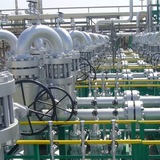
🚨 Choosing the RIGHT material can make or break your pressure vessel!
In EPC Oil & Gas projects, pressure vessels must survive:
🔥 High pressure & temperature
🌊 Corrosive environments
💣 Hydrogen sulfide (H₂S) and chlorides
❄️ Cryogenic conditions
So, material selection isn't just a spec — it's critical to performance, safety & lifecycle cost.
Here’s a snapshot from ASME Section II & real-world project experience:
🔧 Top Pressure Vessel Materials & Where They Fit in EPC Projects:
🔹 Carbon Steel (SA-516 Gr 70): Cost-effective; used in air receivers & utility tanks
🔹 Low Alloy Steel (SA-387 Gr 11/22): Handles high temps in reactors & flare drums
🔹 Stainless Steel 316L: Corrosion-resistant choice for chemical & water systems
🔹 Duplex SS (2205): Ideal for offshore separators in H₂S & chloride-rich environments
🔹 Inconel 625 / Monel 400: Sour gas service, amine units, and critical exchanger shells
🔹 Aluminum (5083): Cryogenic LNG storage tanks
🔹 FRP / GRP: Acid, wastewater & brine tanks — light, corrosion-proof
🔹 Titanium Gr 2: Premium option for desalination and subsea chemical injection
✅ Codes Cross-Checked:
ASME Sec II & VIII
NACE MR0175 for sour service
API 650 / 620
ISO 14692 for non-metallic
🔎 EPC Oil & Gas Project Insights
🔹 Onshore Projects (Refineries, Terminals):
Use carbon steel for budget-friendly bulk storage.
Stainless steel or FRP used for chemical treatment tanks.
Low alloy steel for high-pressure separators and reboilers.
🔹 Offshore Platforms (FPSOs, Wellheads, Subsea):
Rely on Duplex SS, Nickel alloys, or Titanium for saltwater and H₂S service.
Monel & Inconel are popular for MEG injection, flare KO drums, and H₂S absorption systems.
🔹 LNG & Cryogenic Plants:
Aluminum alloys and nickel steel are used for low-temperature storage and vaporizer vessels.
🔹 Hydrocarbon Processing Units:
Low alloy steels for catalytic reformers, towers, and pressure reactors.
Hastelloy and Stainless Steel 316L for acid services and high-purity chemical reactors.
📌 Your Turn:
What’s the most critical factor you consider when selecting material for pressure vessels?
Is it corrosion resistance? Cost? Temperature rating? Lead time?
Drop your thoughts below
💬 — let’s learn from each other’s experience!
✨ Found this valuable?
🔔 Credit to Krishna Nand Ojha, PMP®, PMI-RMP®, PMI-PMOCP™ and his quality guru & mentor Govind Tiwari,PhD on LinkedIn
#PressureVessels #ASME #MaterialSelection #EPCProjects #OilAndGas #MechanicalEngineering #QAQC #NACE #CorrosionEngineering #ProcessSafety #EngineeringExcellence #Construction #ProjectManagement #LearningMindset #QAQCExcellence #KrishnaNandOjha