
French startup proves hypersonic engine reusability 🚀
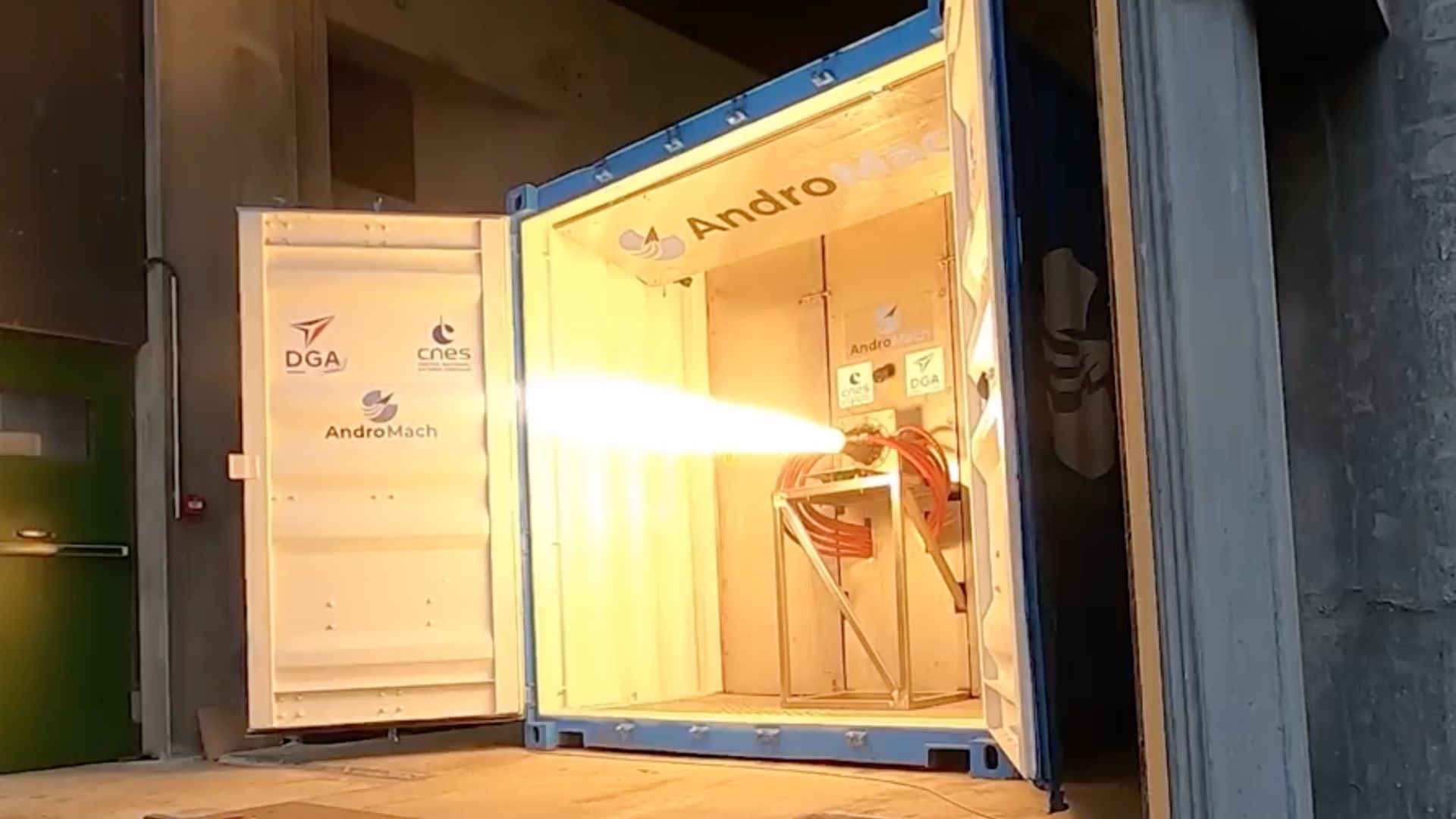
AndroMach, a French aerospace startup, just completed 21 successful ignition tests for its Banger rocket engine. The trials took place in December 2025 at the DGA Essais de Missiles facility in Gironde, France, and resulted in zero failures.
The engine accumulated seven minutes of total burn time during the campaign. This capability is critical for the upcoming flight tests of the Envol suborbital hypersonic drone. The successful validation proves the engine design handles high-speed, long-range demands without needing replacement after every firing. 🔥
Most conventional rocket engines are built to be disposable, burning once before being discarded. By managing to survive repeated firings without damage, the Banger engine challenges the old logic of treating such hardware as single-use, which significantly reduces costs for development and testing. ⚙️
Proving that a high-speed engine can take a beating and keep running is the hardest part of the job. It brings to mind the first successful landings of vertical-takeoff boosters, where proving the gear could be reused transformed space flight economics for everyone.
#Aerospace #TechNews #Innovation
Interesting Engineering
Subscribe
AndroMach, a French aerospace startup, just completed 21 successful ignition tests for its Banger rocket engine. The trials took place in December 2025 at the DGA Essais de Missiles facility in Gironde, France, and resulted in zero failures.
The engine accumulated seven minutes of total burn time during the campaign. This capability is critical for the upcoming flight tests of the Envol suborbital hypersonic drone. The successful validation proves the engine design handles high-speed, long-range demands without needing replacement after every firing. 🔥
Most conventional rocket engines are built to be disposable, burning once before being discarded. By managing to survive repeated firings without damage, the Banger engine challenges the old logic of treating such hardware as single-use, which significantly reduces costs for development and testing. ⚙️
Proving that a high-speed engine can take a beating and keep running is the hardest part of the job. It brings to mind the first successful landings of vertical-takeoff boosters, where proving the gear could be reused transformed space flight economics for everyone.
Reliability matters more than raw speed.
#Aerospace #TechNews #Innovation
Interesting Engineering
Subscribe
🔥1💊1
$40 Million Bet on High-Speed Carbon Printing
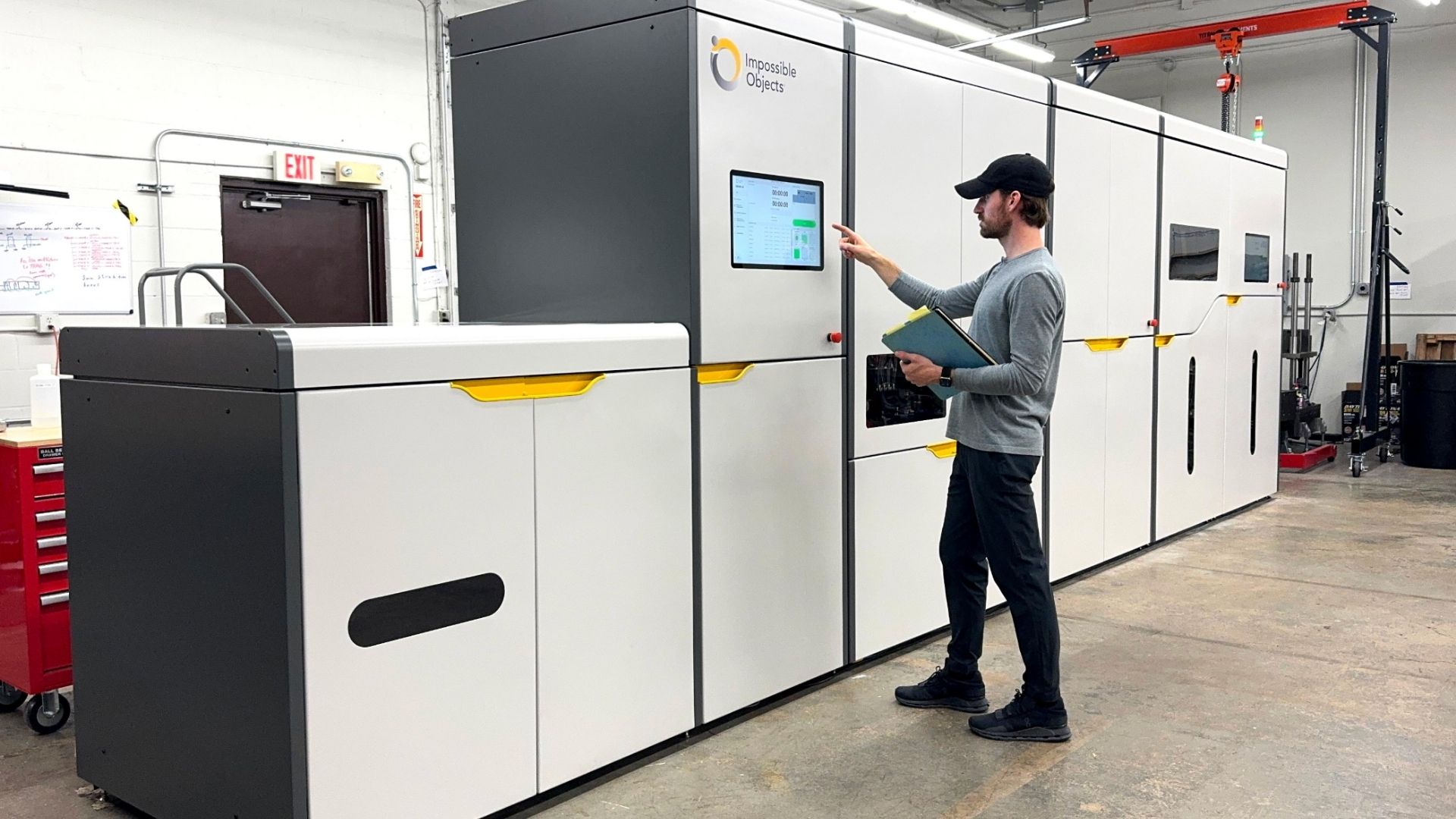
Impossible Objects just secured $40 million to scale up their production of high-speed carbon-fiber 3D printers. This capital is targeted specifically at mass-producing rugged, lightweight parts for the aerospace and drone industries.
The company uses a unique technique that sandwiches carbon fiber sheets with a thermoplastic binder. Think of it like building a laminate structure instead of slowly extruding plastic wire like a standard hobbyist 3D printer. This approach allows them to create parts that are significantly stronger and built much faster than the methods currently used for small-batch aircraft components.
Traditionally, making carbon fiber components for planes or drones requires large, expensive steel molds that can take weeks to produce and modify. This 3D printing tech eliminates the need for those physical molds, letting engineers change a design and print a new, flight-ready part in just days.
It is a massive step forward for turning 3D printing into a serious manufacturing tool rather than just a way to make prototypes.
#3Dprinting #aerospace #tech
Interesting Engineering
Subscribe
Impossible Objects just secured $40 million to scale up their production of high-speed carbon-fiber 3D printers. This capital is targeted specifically at mass-producing rugged, lightweight parts for the aerospace and drone industries.
The company uses a unique technique that sandwiches carbon fiber sheets with a thermoplastic binder. Think of it like building a laminate structure instead of slowly extruding plastic wire like a standard hobbyist 3D printer. This approach allows them to create parts that are significantly stronger and built much faster than the methods currently used for small-batch aircraft components.
Traditionally, making carbon fiber components for planes or drones requires large, expensive steel molds that can take weeks to produce and modify. This 3D printing tech eliminates the need for those physical molds, letting engineers change a design and print a new, flight-ready part in just days.
It is a massive step forward for turning 3D printing into a serious manufacturing tool rather than just a way to make prototypes.
The era of print-on-demand aerospace parts is getting closer.
#3Dprinting #aerospace #tech
Interesting Engineering
Subscribe
❤1👍1