
AI-designed enzymes outperform natural CRISPR tools
As of 2024, the first synthetic CRISPR enzymes are here 🚀, demonstrating significantly higher DNA editing efficiency than the natural versions found in biology.
Engineering these proteins through artificial intelligence allows for a level of precision that nature alone could not achieve. Biological enzymes often hit performance limits, making them less reliable for complex medical tasks.
This represents a change from simply using tools provided by nature to actively crafting them from scratch. These AI-generated versions clear the hurdles that previously held back therapeutic applications, offering a more effective way to fix genetic issues compared to the early, natural tools.
#CRISPR #BioTech #Innovation
iXBT: Новости
Subscribe
As of 2024, the first synthetic CRISPR enzymes are here 🚀, demonstrating significantly higher DNA editing efficiency than the natural versions found in biology.
Engineering these proteins through artificial intelligence allows for a level of precision that nature alone could not achieve. Biological enzymes often hit performance limits, making them less reliable for complex medical tasks.
By using AI to optimize protein structures, engineers have overcome the inherent limitations that once slowed down genetic editing processes.
This represents a change from simply using tools provided by nature to actively crafting them from scratch. These AI-generated versions clear the hurdles that previously held back therapeutic applications, offering a more effective way to fix genetic issues compared to the early, natural tools.
We are no longer limited by what nature evolved.
#CRISPR #BioTech #Innovation
iXBT: Новости
Subscribe
❤2👍1💊1
French startup proves hypersonic engine reusability 🚀
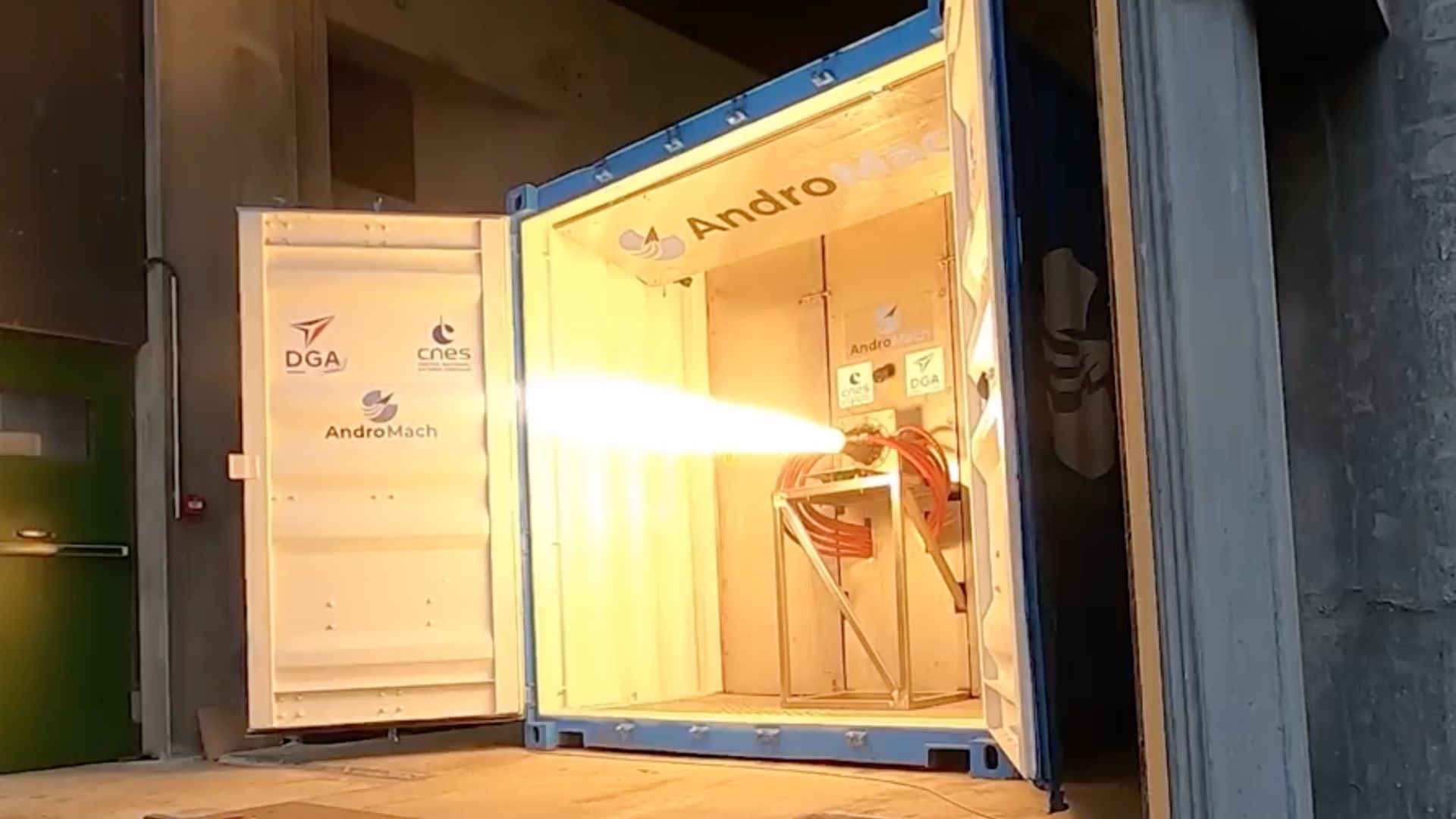
AndroMach, a French aerospace startup, just completed 21 successful ignition tests for its Banger rocket engine. The trials took place in December 2025 at the DGA Essais de Missiles facility in Gironde, France, and resulted in zero failures.
The engine accumulated seven minutes of total burn time during the campaign. This capability is critical for the upcoming flight tests of the Envol suborbital hypersonic drone. The successful validation proves the engine design handles high-speed, long-range demands without needing replacement after every firing. 🔥
Most conventional rocket engines are built to be disposable, burning once before being discarded. By managing to survive repeated firings without damage, the Banger engine challenges the old logic of treating such hardware as single-use, which significantly reduces costs for development and testing. ⚙️
Proving that a high-speed engine can take a beating and keep running is the hardest part of the job. It brings to mind the first successful landings of vertical-takeoff boosters, where proving the gear could be reused transformed space flight economics for everyone.
#Aerospace #TechNews #Innovation
Interesting Engineering
Subscribe
AndroMach, a French aerospace startup, just completed 21 successful ignition tests for its Banger rocket engine. The trials took place in December 2025 at the DGA Essais de Missiles facility in Gironde, France, and resulted in zero failures.
The engine accumulated seven minutes of total burn time during the campaign. This capability is critical for the upcoming flight tests of the Envol suborbital hypersonic drone. The successful validation proves the engine design handles high-speed, long-range demands without needing replacement after every firing. 🔥
Most conventional rocket engines are built to be disposable, burning once before being discarded. By managing to survive repeated firings without damage, the Banger engine challenges the old logic of treating such hardware as single-use, which significantly reduces costs for development and testing. ⚙️
Proving that a high-speed engine can take a beating and keep running is the hardest part of the job. It brings to mind the first successful landings of vertical-takeoff boosters, where proving the gear could be reused transformed space flight economics for everyone.
Reliability matters more than raw speed.
#Aerospace #TechNews #Innovation
Interesting Engineering
Subscribe
🔥1💊1
Hydrogen turbine runs with 0 compressors
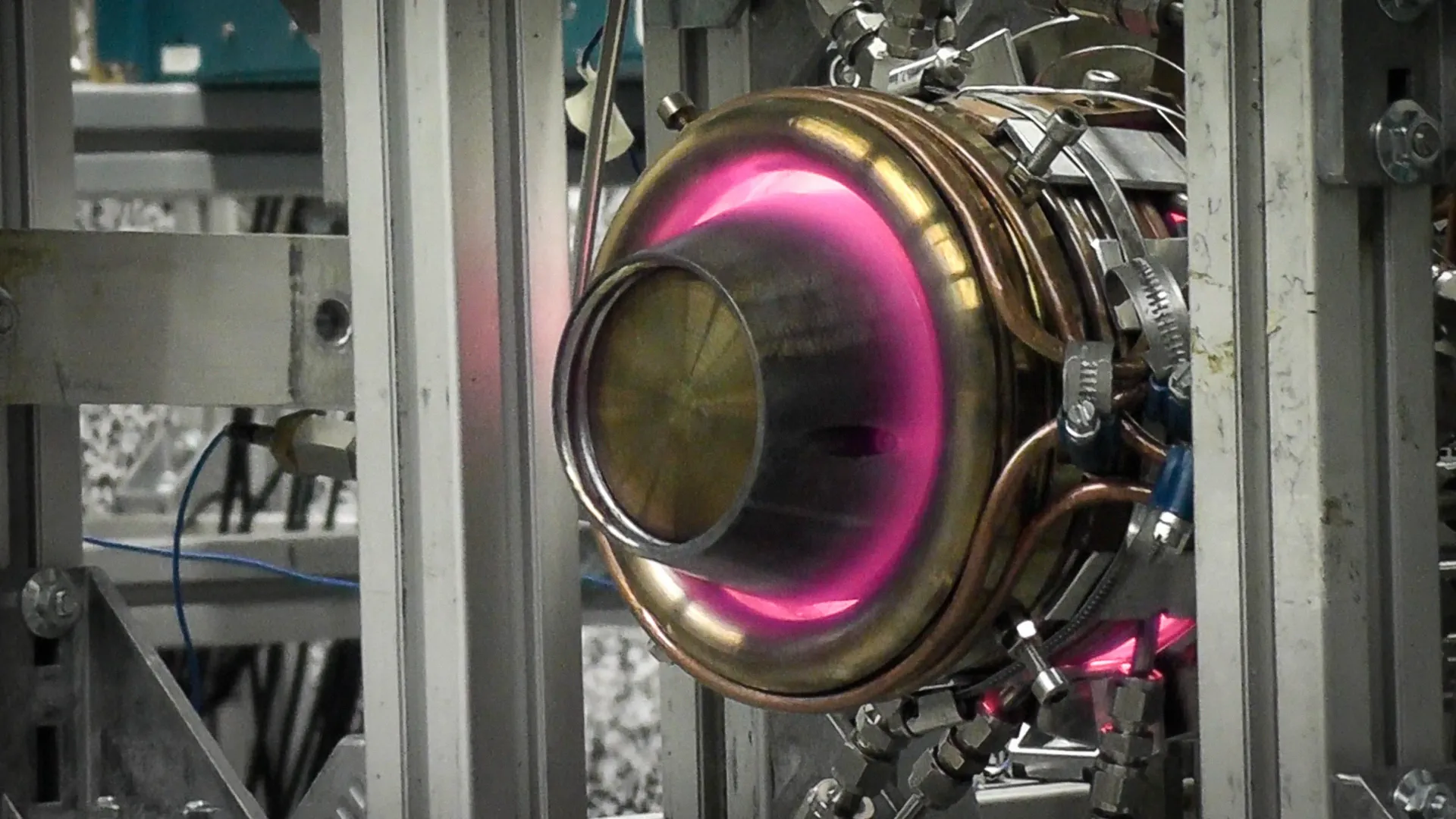
Researchers have successfully generated electricity using a hydrogen-powered turbine that operates with 0 mechanical compressors. By using detonation waves to build pressure, this system provides a simpler and more efficient way to generate power for clean energy and aviation. 🚀
This new design replaces the traditional, heavy mechanical components that have been standard in turbine engines for decades. While typical turbines rely on rotating blades to squeeze air into the combustion chamber, this detonation-based approach skips that complex step. It uses controlled, rapid explosions to build pressure directly within the engine itself.
This shift away from heavy compressors is reminiscent of the early days of aviation, when the industry moved from external piston engines to the much more compact, high-speed turbine engines we use today. Just as that earlier transition fundamentally changed how we power flight, this move toward detonation-based systems invites us to reconsider the necessity of the complex machinery we currently take for granted.
#energy #tech #innovation
ScienceDaily: Technology
Subscribe
Researchers have successfully generated electricity using a hydrogen-powered turbine that operates with 0 mechanical compressors. By using detonation waves to build pressure, this system provides a simpler and more efficient way to generate power for clean energy and aviation. 🚀
This new design replaces the traditional, heavy mechanical components that have been standard in turbine engines for decades. While typical turbines rely on rotating blades to squeeze air into the combustion chamber, this detonation-based approach skips that complex step. It uses controlled, rapid explosions to build pressure directly within the engine itself.
This shift away from heavy compressors is reminiscent of the early days of aviation, when the industry moved from external piston engines to the much more compact, high-speed turbine engines we use today. Just as that earlier transition fundamentally changed how we power flight, this move toward detonation-based systems invites us to reconsider the necessity of the complex machinery we currently take for granted.
Efficiency often hides in the simplest possible design.
#energy #tech #innovation
ScienceDaily: Technology
Subscribe

Ukraine authorizes the MUL.E electric combat motorcycle
On July 23, 2026, the Ministry of Defence of Ukraine officially codified the MUL.E for combat service. This is the country's first all-wheel-drive electric motorcycle built specifically for military logistics.
It treads as lightly as an infantryman’s boot and glides past acoustic sensors without a sound. The bike is designed to handle harsh environments that stop heavier machines in their tracks.
🔹 It features a 62-mile range, which soldiers can extend further by using a small onboard gasoline generator.
🔹 The 2x2 drivetrain allows the bike to traverse rugged terrain where traditional heavy military vehicles often get stuck.
🔹 The design keeps ground pressure low enough to match a soldier’s footfall, making it safer in areas with landmines.
🔹 It serves as a mobile power station capable of charging equipment like FPV drones directly on the frontlines.
Motorcycles have been military staples since World War I, but those were always noisy and thirsty for fuel. While consumer electric vehicles are often limited by the lack of charging stations, the MUL.E sidesteps this by carrying its own power source. It is built to disappear into the environment, letting operators navigate hazardous zones undetected.
A practical upgrade for mobile, silent logistics.
#Ukraine #MUL.E #Innovation
Interesting Engineering
Subscribe
On July 23, 2026, the Ministry of Defence of Ukraine officially codified the MUL.E for combat service. This is the country's first all-wheel-drive electric motorcycle built specifically for military logistics.
It treads as lightly as an infantryman’s boot and glides past acoustic sensors without a sound. The bike is designed to handle harsh environments that stop heavier machines in their tracks.
🔹 It features a 62-mile range, which soldiers can extend further by using a small onboard gasoline generator.
🔹 The 2x2 drivetrain allows the bike to traverse rugged terrain where traditional heavy military vehicles often get stuck.
🔹 The design keeps ground pressure low enough to match a soldier’s footfall, making it safer in areas with landmines.
🔹 It serves as a mobile power station capable of charging equipment like FPV drones directly on the frontlines.
Motorcycles have been military staples since World War I, but those were always noisy and thirsty for fuel. While consumer electric vehicles are often limited by the lack of charging stations, the MUL.E sidesteps this by carrying its own power source. It is built to disappear into the environment, letting operators navigate hazardous zones undetected.
A practical upgrade for mobile, silent logistics.
Rugged engineering where silence equals survival.
#Ukraine #MUL.E #Innovation
Interesting Engineering
Subscribe
❤1
Sound-powered micro-drones from EPFL
🔊
In 2026, researchers at the EPFL MICROBS Lab unveiled a micro-drone that flies without a battery, relying entirely on sound. This tiny machine stays airborne by converting acoustic energy into physical force. 🚁
The design uses a principle called Helmholtz resonance. Think of blowing air across the neck of a glass bottle. The air trapped inside starts to vibrate because of the airflow. These aircraft feature a specialized resonant cavity that captures ambient sound waves, turning those vibrations into the propulsion needed for flight. 💡
Most standard micro-drones currently rely on heavy batteries or tethered cables for power. This weight forces them to be larger and significantly restricts their potential for true miniaturization. By using sound instead, this design removes the heaviest onboard component, allowing the device to operate with much less bulk.
#tech #drones #innovation
Robohub
Subscribe
🔊
In 2026, researchers at the EPFL MICROBS Lab unveiled a micro-drone that flies without a battery, relying entirely on sound. This tiny machine stays airborne by converting acoustic energy into physical force. 🚁
The design uses a principle called Helmholtz resonance. Think of blowing air across the neck of a glass bottle. The air trapped inside starts to vibrate because of the airflow. These aircraft feature a specialized resonant cavity that captures ambient sound waves, turning those vibrations into the propulsion needed for flight. 💡
Most standard micro-drones currently rely on heavy batteries or tethered cables for power. This weight forces them to be larger and significantly restricts their potential for true miniaturization. By using sound instead, this design removes the heaviest onboard component, allowing the device to operate with much less bulk.
The future of flight might just be a hum.
#tech #drones #innovation
Robohub
Subscribe
👍1
Predicting EV battery life from Palo Alto
An 18-year-old student from Palo Alto has developed a new mathematical model to predict the health and lifespan of aging electric vehicle batteries. This discovery turns complex battery degradation data into a reliable estimate for the secondary car market. ⚡️
Right now, checking a used battery is difficult because manufacturers often lock these metrics behind proprietary systems. Dealers usually rely on specific, expensive equipment to run these diagnostics. This model cuts through that barrier by using accessible data to estimate remaining battery capacity. 🔋
Current industry standards rely on a manufacturer's vague "battery health" readout. This new approach provides a more transparent tool for anyone looking to buy a used electric vehicle. 📈
#EV #Tech #Innovation
Interesting Engineering
Subscribe
An 18-year-old student from Palo Alto has developed a new mathematical model to predict the health and lifespan of aging electric vehicle batteries. This discovery turns complex battery degradation data into a reliable estimate for the secondary car market. ⚡️
Right now, checking a used battery is difficult because manufacturers often lock these metrics behind proprietary systems. Dealers usually rely on specific, expensive equipment to run these diagnostics. This model cuts through that barrier by using accessible data to estimate remaining battery capacity. 🔋
Current industry standards rely on a manufacturer's vague "battery health" readout. This new approach provides a more transparent tool for anyone looking to buy a used electric vehicle. 📈
A simpler way to value the heart of an electric car.
#EV #Tech #Innovation
Interesting Engineering
Subscribe
❤2
Horizon Aeronautics targets 1,200-mile hybrid flights
An MIT spin-off named Horizon Aeronautics is developing a new aircraft designed to cover up to 1,200 miles without stopping.
The project focuses on cleaning up regional air travel. Short flights usually burn a lot of fuel for the distance they cover. Engineers are mixing electric motors with regular fuel engines to cut down this pollution.
By using electric power for parts of the journey and traditional engines for the rest, the design saves fuel while keeping planes flying far enough to be practical for airlines.
This approach could change how we think about short-haul trips and eco-friendly engineering.
#Aviation #Technology #Innovation
Interesting Engineering
Subscribe
An MIT spin-off named Horizon Aeronautics is developing a new aircraft designed to cover up to 1,200 miles without stopping.
The project focuses on cleaning up regional air travel. Short flights usually burn a lot of fuel for the distance they cover. Engineers are mixing electric motors with regular fuel engines to cut down this pollution.
This hybrid setup brings together the best of both worlds to tackle stubborn carbon emissions in short flights.
By using electric power for parts of the journey and traditional engines for the rest, the design saves fuel while keeping planes flying far enough to be practical for airlines.
This approach could change how we think about short-haul trips and eco-friendly engineering.
Cleaner skies are starting on the drawing board.
#Aviation #Technology #Innovation
Interesting Engineering
Subscribe
❤2

120-tonne electric haulers at Malmberget mine
LKAB has successfully put two massive 120-tonne battery-electric Scania trucks to work in its Malmberget iron ore mine.
These vehicles are tackling the heavy lifting at depths reaching 1,250 meters. Since they started, they have already moved over 100,000 tonnes of iron ore. This is a significant step forward from the standard diesel-powered haulers that LKAB used for years in the same tunnels.
▪️ Immediate torque: Unlike diesel engines, electric motors deliver full power instantly, which helps when climbing steep ramps out of the deep mine.
▪️ Cleaner air: These trucks produce no exhaust fumes, removing the need for the massive, energy-intensive ventilation systems required by traditional diesel engines.
▪️ Reduced wear: The simplified electric drivetrain has fewer moving parts, which lowers the maintenance burden in the harsh, dusty underground environment.
While traditional diesel trucks have dominated mining operations for decades, this move to electric power changes how deep-earth logistics work. By cutting out the combustion process, the mine no longer needs the complex, non-stop air scrubbing that previously kept the tunnels breathable for the crew.
#Mining #EV #Innovation
Interesting Engineering
Subscribe
LKAB has successfully put two massive 120-tonne battery-electric Scania trucks to work in its Malmberget iron ore mine.
These vehicles are tackling the heavy lifting at depths reaching 1,250 meters. Since they started, they have already moved over 100,000 tonnes of iron ore. This is a significant step forward from the standard diesel-powered haulers that LKAB used for years in the same tunnels.
▪️ Immediate torque: Unlike diesel engines, electric motors deliver full power instantly, which helps when climbing steep ramps out of the deep mine.
▪️ Cleaner air: These trucks produce no exhaust fumes, removing the need for the massive, energy-intensive ventilation systems required by traditional diesel engines.
▪️ Reduced wear: The simplified electric drivetrain has fewer moving parts, which lowers the maintenance burden in the harsh, dusty underground environment.
While traditional diesel trucks have dominated mining operations for decades, this move to electric power changes how deep-earth logistics work. By cutting out the combustion process, the mine no longer needs the complex, non-stop air scrubbing that previously kept the tunnels breathable for the crew.
Heavy industry is finally finding cleaner ways to move mountains.
#Mining #EV #Innovation
Interesting Engineering
Subscribe
❤2
New metal foam cuts crash severity by 48%
Engineers have developed a new metal foam that absorbs kinetic energy so effectively it can reduce the severity of a car crash by 48%. 🚗
This material is built to sit inside a vehicle’s front rails. When a collision happens, the foam deforms, slowing down the impact forces before they reach the passengers. It provides a way to increase safety without the typical downsides of adding heavy armor or extra bracing.
➖ It keeps the vehicle's total weight low.
➖ It preserves fuel economy and battery range.
➖ It functions without requiring major changes to the overall frame design.
Traditional steel rails are rigid and heavy, meaning they often fail to dissipate energy as gracefully as this lightweight, porous foam does. It is a smart way to make vehicles safer without asking the driver to sacrifice efficiency.
#safety #innovation #automotive
Interesting Engineering
Subscribe
Engineers have developed a new metal foam that absorbs kinetic energy so effectively it can reduce the severity of a car crash by 48%. 🚗
This material is built to sit inside a vehicle’s front rails. When a collision happens, the foam deforms, slowing down the impact forces before they reach the passengers. It provides a way to increase safety without the typical downsides of adding heavy armor or extra bracing.
➖ It keeps the vehicle's total weight low.
➖ It preserves fuel economy and battery range.
➖ It functions without requiring major changes to the overall frame design.
Traditional steel rails are rigid and heavy, meaning they often fail to dissipate energy as gracefully as this lightweight, porous foam does. It is a smart way to make vehicles safer without asking the driver to sacrifice efficiency.
Physics doing the heavy lifting.
#safety #innovation #automotive
Interesting Engineering
Subscribe
👍3

Hidden energy in the Pilbara region
Researchers at Edith Cowan University discovered that iron-rich rocks in the Pilbara region of Western Australia can generate hydrogen naturally. 🌍 This chemical process happens when minerals buried deep underground meet hot water.
The team, led by Associate Professor Alireza Keshavarz, identified a way to stimulate this reaction by injecting a solution into the rock formations.
Unlike renewable projects like wind or solar farms which often require clearing vast swathes of land for new infrastructure, this discovery offers a unique advantage. By leveraging the existing geology of the region, this method could turn a resource-heavy hub into a clean, self-replenishing power source without the massive surface-level footprint.
#energy #innovation #Australia
ScienceDaily: Technology
Subscribe
Researchers at Edith Cowan University discovered that iron-rich rocks in the Pilbara region of Western Australia can generate hydrogen naturally. 🌍 This chemical process happens when minerals buried deep underground meet hot water.
The team, led by Associate Professor Alireza Keshavarz, identified a way to stimulate this reaction by injecting a solution into the rock formations.
"Australia could be sitting on a massive, untapped energy reserve, and the potential is enormous."This means we could potentially scale up this natural production to create a significant source of clean energy. 🚀
Unlike renewable projects like wind or solar farms which often require clearing vast swathes of land for new infrastructure, this discovery offers a unique advantage. By leveraging the existing geology of the region, this method could turn a resource-heavy hub into a clean, self-replenishing power source without the massive surface-level footprint.
The fuel of the future might be hiding in our own backyard.
#energy #innovation #Australia
ScienceDaily: Technology
Subscribe
❤2
New 22.9kV Transformer for Data Centers
Engineers have built the world's first 22.9kV solid-state transformer to help power heavy-duty data centers. ⚡
You know how massive server farms need staggering amounts of electricity to run your favorite apps and games? Local power networks are struggling to keep up with that hunger. This new piece of hardware acts like a smart, heavy-duty power adapter designed to fix that exact problem.
Here is what makes this technology stand out:
➖ It tackles severe grid bottlenecks that currently slow down tech expansion.
➖ It offers a much more compact footprint than older power distribution units.
➖ It handles high-voltage electricity with significantly better energy efficiency.
#technology #datacenters #innovation
Interesting Engineering
Subscribe
Engineers have built the world's first 22.9kV solid-state transformer to help power heavy-duty data centers. ⚡
You know how massive server farms need staggering amounts of electricity to run your favorite apps and games? Local power networks are struggling to keep up with that hunger. This new piece of hardware acts like a smart, heavy-duty power adapter designed to fix that exact problem.
Here is what makes this technology stand out:
➖ It tackles severe grid bottlenecks that currently slow down tech expansion.
➖ It offers a much more compact footprint than older power distribution units.
➖ It handles high-voltage electricity with significantly better energy efficiency.
Smart engineering is keeping the grid alive.
#technology #datacenters #innovation
Interesting Engineering
Subscribe
Stella Juva: The ambulance that runs on the sun
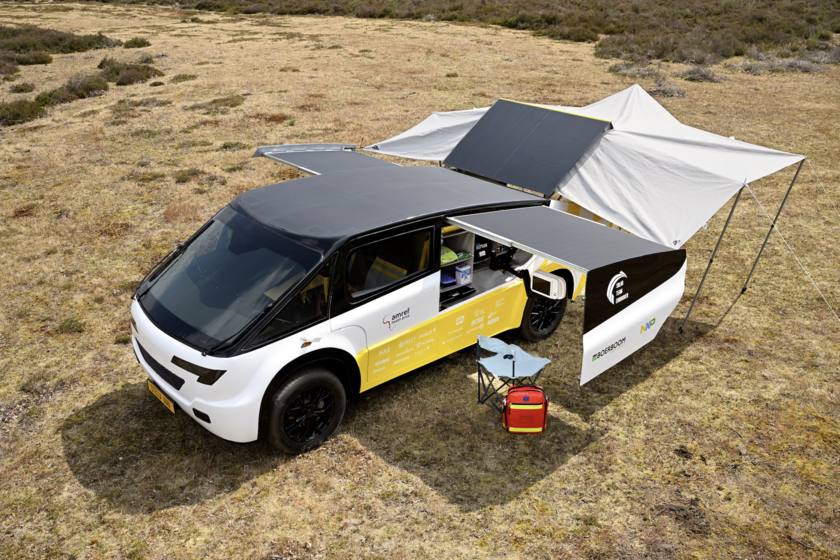
Engineering students at the Eindhoven University of Technology have built Stella Juva, a fully functional medical ambulance that generates its own power using solar panels. You might think this is just another electric vehicle, but it is actually a mobile hospital designed to bring critical care to remote, underserved regions where healthcare access is limited. 🚀
The vehicle features integrated panels on the roof and extendable wings for extra charging. This setup allows for a range of up to 715 kilometers and speeds reaching 120 km/h. It packs a 50 kWh battery to keep running even after sunset. During field tests this August in Narok, Kenya, the team worked with Amref Health Africa to prove the concept in real-world conditions.
The solar energy isn't just for driving. It powers essential medical tools:
▪️ Portable X-ray machines
▪️ Ultrasound scanners
▪️ Automatic external defibrillators
▪️ Vaccine refrigeration systems
Unlike standard ambulances that rely on fuel-hungry internal combustion engines or stationary grid power, Stella Juva produces more energy than its medical equipment consumes. It effectively turns the vehicle into an energy-positive clinic rather than just a shuttle.
#SolarTech #Innovation #HealthTech
Xataka
Subscribe
Engineering students at the Eindhoven University of Technology have built Stella Juva, a fully functional medical ambulance that generates its own power using solar panels. You might think this is just another electric vehicle, but it is actually a mobile hospital designed to bring critical care to remote, underserved regions where healthcare access is limited. 🚀
The vehicle features integrated panels on the roof and extendable wings for extra charging. This setup allows for a range of up to 715 kilometers and speeds reaching 120 km/h. It packs a 50 kWh battery to keep running even after sunset. During field tests this August in Narok, Kenya, the team worked with Amref Health Africa to prove the concept in real-world conditions.
The solar energy isn't just for driving. It powers essential medical tools:
▪️ Portable X-ray machines
▪️ Ultrasound scanners
▪️ Automatic external defibrillators
▪️ Vaccine refrigeration systems
Unlike standard ambulances that rely on fuel-hungry internal combustion engines or stationary grid power, Stella Juva produces more energy than its medical equipment consumes. It effectively turns the vehicle into an energy-positive clinic rather than just a shuttle.
Sustainable technology is finally hitting the road where it is needed most.
#SolarTech #Innovation #HealthTech
Xataka
Subscribe

New Milestone for Electric Vehicle Batteries in Yibin
Engineers in China have officially pushed Lithium Iron Phosphate (LFP) battery technology past the 200 Wh/kg energy density mark. This development, confirmed at the 2026 World Battery Conference in Yibin, Sichuan, promises to boost electric vehicle range without needing expensive, complex chemical alternatives. 🚀
Previously, manufacturers focused on clever packaging to gain range, but they were running into physical limits. Now, the improvement comes directly from the battery cells themselves. Ouyang Minggao from Tsinghua University noted that this update is a major step forward for the most common battery type used in electric cars.
Here is why this change matters for the road ahead:
▫️ Higher energy density means more range for the same physical battery size.
▫️ Faster winding processes for prismatic cells—the rectangular boxes holding the battery materials—will make production cheaper and quicker.
▫️ China relies heavily on this tech, as LFP batteries accounted for 81% of the 335.6 GWh of battery capacity installed in vehicles during the first half of 2026.
To see how far things have come, look at the BYD Blade 2.0 Short Blade battery. It is currently rated at 160 Wh/kg. Jumping to 200 Wh/kg is a significant performance boost for a technology known for being affordable and durable.
#ElectricVehicles #BatteryTech #Innovation
Xataka
Subscribe
Engineers in China have officially pushed Lithium Iron Phosphate (LFP) battery technology past the 200 Wh/kg energy density mark. This development, confirmed at the 2026 World Battery Conference in Yibin, Sichuan, promises to boost electric vehicle range without needing expensive, complex chemical alternatives. 🚀
Previously, manufacturers focused on clever packaging to gain range, but they were running into physical limits. Now, the improvement comes directly from the battery cells themselves. Ouyang Minggao from Tsinghua University noted that this update is a major step forward for the most common battery type used in electric cars.
Here is why this change matters for the road ahead:
▫️ Higher energy density means more range for the same physical battery size.
▫️ Faster winding processes for prismatic cells—the rectangular boxes holding the battery materials—will make production cheaper and quicker.
▫️ China relies heavily on this tech, as LFP batteries accounted for 81% of the 335.6 GWh of battery capacity installed in vehicles during the first half of 2026.
To see how far things have come, look at the BYD Blade 2.0 Short Blade battery. It is currently rated at 160 Wh/kg. Jumping to 200 Wh/kg is a significant performance boost for a technology known for being affordable and durable.
Better range without the premium price tag.
#ElectricVehicles #BatteryTech #Innovation
Xataka
Subscribe
❤1👍1
Autonomous Shuttles Arrive at Zürich Airport
Zürich Airport has deployed two fully autonomous electric shuttle buses in a new pilot program. These vehicles function at Level 4 autonomy, meaning they handle all driving tasks entirely on their own without needing a human safety monitor on board. 🚌
This marks a significant move in bringing unmanned transport to active European airport infrastructure. The shuttles navigate through real-world environments using advanced onboard sensor arrays to detect obstacles and manage traffic. 🔋
While previous industry trials typically relied on a human operator to intervene during emergencies, these new shuttles remove the safety monitor entirely to operate without supervision. 📍 The program currently focuses on testing vehicle performance and reliability within the busy airport setting. 🚀
#tech #transport #innovation
Electrek
Subscribe
Volkswagen Mission Efficiency Concept
Volkswagen has unveiled the Mission Efficiency, a near-production electric coupe featuring a drag coefficient of just 0.158. This prototype stands as the most aerodynamic road-approved vehicle ever built.
Built on the MEB+ platform, the coupe shares core motor and battery hardware with the upcoming ID.Polo and ID.Cross models. By sealing the vehicle's underside and optimizing wheel arches, engineers achieved an energy consumption rate of 6.48 kWh per 100 kilometers. This efficiency allows the vehicle to travel over 1,200 kilometers on one charge.
Compared to the Tesla Model 3, which features a drag coefficient of 0.219, this concept sacrifices cabin space for performance. Its rear seats are suitable only for passengers under 160 cm tall. The car completed its efficiency tests at a constant speed of 68 km/h.
#Volkswagen #ElectricCars #Innovation
The Verge
Subscribe
❤1
This media is not supported in your browser
VIEW IN TELEGRAM
Neuralink restores speech for Kenneth
Kenneth, a patient with amyotrophic lateral sclerosis (ALS), successfully used the Neuralink N1 implant to synthesize speech. The wireless chip tracks neural signals intended for his speech muscles. The VOICE program then converts these brain impulses into spoken language.
This technology surpasses traditional eye-tracking devices that previously limited communication speed for patients. While early iterations relied on bulky wired connections, the Neuralink N1 is fully wireless. Dozens of participants are now actively using such chips worldwide. 🚀🔥
#Neuralink #Innovation #TechNews
НЕЙРО | Новости AI
Subscribe
Kenneth, a patient with amyotrophic lateral sclerosis (ALS), successfully used the Neuralink N1 implant to synthesize speech. The wireless chip tracks neural signals intended for his speech muscles. The VOICE program then converts these brain impulses into spoken language.
The system bypasses damaged motor nerves to turn neural patterns directly into vocalized words.
This technology surpasses traditional eye-tracking devices that previously limited communication speed for patients. While early iterations relied on bulky wired connections, the Neuralink N1 is fully wireless. Dozens of participants are now actively using such chips worldwide. 🚀🔥
#Neuralink #Innovation #TechNews
НЕЙРО | Новости AI
Subscribe
❤3
U.S. Army helicopter lands on a self-driving barge at sea
In late September, a massive 54,000-pound twin-rotor Boeing MH-47G Chinook helicopter touched down on an uncrewed, self-driving vessel at sea and completed a resupply operation for the first time. 🔥🚀
This giant transport machine, often called a flying banana, has been hauling heavy loads into tough places since the 1960s. Until now, these special operations helicopters relied entirely on fixed land bases or large crewed ships to get fuel during long missions.
The test was organized with Sea Machines Robotics, a company that builds self-navigation systems for ships. Using an unmanned barge means the military can extend helicopter reach across remote ocean areas without risking extra personnel on a floating supply platform.
#tech #military #innovation
Subscribe
👍3
Ultra-thin battery developed
Researchers at Dongguk University built a battery 2.77 micrometers thick, 30 times thinner than a human hair. Removing the anode—the negative terminal—simplifies the design. 🔋⚙️🔬
This tech fits tiny medical devices and wearables. A special tin and carbon coating keeps the battery efficient by preventing lithium loss during use.
#BatteryTech ⚡ #Innovation ⚡ #Engineering
Subscribe
👍1👏1
Simple membrane cuts oil refining costs
Researchers at KAIST and Georgia Tech built a membrane to filter crude oil at room temperature. It uses the oil to form microscopic channels, cutting energy use by 32%, carbon emissions by 38%, and operating costs by 36%.
This turns common filtration buildup into microscopic pathways, avoiding the high costs and defects typical of complex coated membranes.
#OilRefining ⚡ #Innovation ⚡ #Science
Subscribe