

MTU Aero Engines validates hydrogen propulsion ✈️
MTU Aero Engines hit a major milestone in 2024 by successfully validating its new hydrogen fuel cell system for aviation. This technology is designed to power commercial aircraft with zero emissions, a significant shift from traditional kerosene engines.
Hydrogen fuel cells create electricity by mixing hydrogen with oxygen from the air. The only exhaust produced is water. This provides a way to fly without burning fossil fuels, solving the primary challenge of cleaner aviation. 🌍
While traditional engines rely on burning jet fuel, this system uses electric motors to drive the propeller. Unlike Airbus, which is experimenting with burning hydrogen directly in jet engines, MTU Aero Engines is focusing on fuel cells to generate power. This creates a much quieter and cleaner flight experience compared to the roar of conventional turbines. ⚡
It is a practical solution that brings us one step closer to sustainable travel. 🛠️
#aviation #hydrogen #technology
Interesting Engineering
Subscribe
MTU Aero Engines hit a major milestone in 2024 by successfully validating its new hydrogen fuel cell system for aviation. This technology is designed to power commercial aircraft with zero emissions, a significant shift from traditional kerosene engines.
Hydrogen fuel cells create electricity by mixing hydrogen with oxygen from the air. The only exhaust produced is water. This provides a way to fly without burning fossil fuels, solving the primary challenge of cleaner aviation. 🌍
While traditional engines rely on burning jet fuel, this system uses electric motors to drive the propeller. Unlike Airbus, which is experimenting with burning hydrogen directly in jet engines, MTU Aero Engines is focusing on fuel cells to generate power. This creates a much quieter and cleaner flight experience compared to the roar of conventional turbines. ⚡
It is a practical solution that brings us one step closer to sustainable travel. 🛠️
Moving away from kerosene is the hardest task in aviation history.
#aviation #hydrogen #technology
Interesting Engineering
Subscribe
🔥1

GE Aerospace flies hybrid engine at 30,000 feet
GE Aerospace, in a partnership with Boeing, NASA, and Beta Technologies, has successfully tested a hybrid-electric propulsion system at 30,000 feet.
This achievement matters because it matches the altitude where standard kerosene-powered jets usually fly. Think of it like a hybrid car: the system uses both electric batteries and jet fuel to get the plane moving. This setup helps the engine run more efficiently during the climb and cruise phases.
▪️ It demonstrates that electric-assisted power is viable for high-altitude passenger travel.
▪️ The technology is specifically designed to significantly lower fuel consumption.
▪️ It confirms that hybrid systems can handle the extreme conditions of commercial flight paths.
Unlike current commercial jets, which burn pure kerosene from takeoff to landing, this prototype shows we can finally integrate electric power into the main flight loop.
#GEAerospace #Aviation #TechNews
Electrive
Subscribe
GE Aerospace, in a partnership with Boeing, NASA, and Beta Technologies, has successfully tested a hybrid-electric propulsion system at 30,000 feet.
This achievement matters because it matches the altitude where standard kerosene-powered jets usually fly. Think of it like a hybrid car: the system uses both electric batteries and jet fuel to get the plane moving. This setup helps the engine run more efficiently during the climb and cruise phases.
▪️ It demonstrates that electric-assisted power is viable for high-altitude passenger travel.
▪️ The technology is specifically designed to significantly lower fuel consumption.
▪️ It confirms that hybrid systems can handle the extreme conditions of commercial flight paths.
Unlike current commercial jets, which burn pure kerosene from takeoff to landing, this prototype shows we can finally integrate electric power into the main flight loop.
The sky is no longer the limit.
#GEAerospace #Aviation #TechNews
Electrive
Subscribe
🔥1

U.S. Air Force designs hypersonic VTOL bombers
The U.S. Air Force is currently exploring the development of a reusable, hypersonic bomber capable of vertical take-off and landing. This concept focuses on eliminating the dependency on traditional runways by using VTOL technology to launch from virtually any secure location.
Hypersonic flight involves speeds exceeding 5 times the speed of sound. By removing the requirement for long tarmac strips, the military aims to increase its tactical flexibility significantly. This platform would allow for strike missions from small or unprepared sites, forcing opponents to rethink how they track potential threats.
Unlike current bombers such as the B-21 Raider or the long-serving B-52 Stratofortress, which require massive, fixed-location airbases to operate, this craft could theoretically deploy from almost anywhere. It represents a major pivot toward decentralized, high-speed aerial warfare.
The sheer engineering effort required to make a massive bomber hover like a helicopter is a staggering prospect. It is a bold leap that turns the quietest patch of land into a frontline base.
#AirForce #Aviation #Tech
Interesting Engineering
Subscribe
The U.S. Air Force is currently exploring the development of a reusable, hypersonic bomber capable of vertical take-off and landing. This concept focuses on eliminating the dependency on traditional runways by using VTOL technology to launch from virtually any secure location.
Hypersonic flight involves speeds exceeding 5 times the speed of sound. By removing the requirement for long tarmac strips, the military aims to increase its tactical flexibility significantly. This platform would allow for strike missions from small or unprepared sites, forcing opponents to rethink how they track potential threats.
Unlike current bombers such as the B-21 Raider or the long-serving B-52 Stratofortress, which require massive, fixed-location airbases to operate, this craft could theoretically deploy from almost anywhere. It represents a major pivot toward decentralized, high-speed aerial warfare.
The sheer engineering effort required to make a massive bomber hover like a helicopter is a staggering prospect. It is a bold leap that turns the quietest patch of land into a frontline base.
A runway-free future is coming.
#AirForce #Aviation #Tech
Interesting Engineering
Subscribe
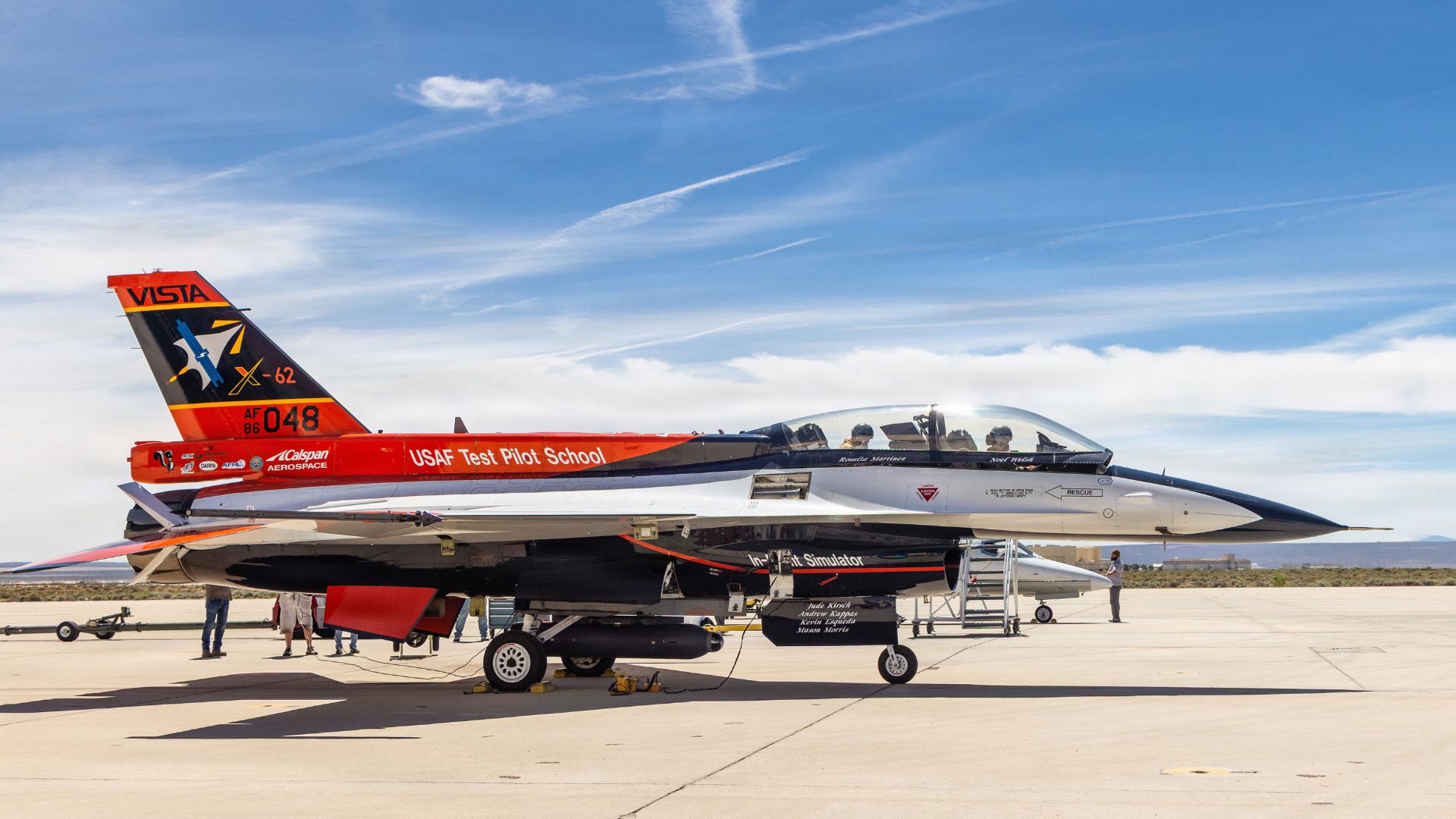
Lockheed Martin X-62A executes 27 autonomous intercepts
The Lockheed Martin X-62A experimental fighter jet recently completed 27 autonomous flight intercepts at Edwards Air Force Base. This test confirms that artificial intelligence can now track and maneuver against a live airborne target without any pilot intervention.
During the HAVE HEAT program, the aircraft used live data from an infrared Legion Pod sensor. Across eight flights, the AI calculated flight paths and steered the jet to intercept a T-38 trainer aircraft. It essentially performed tactical maneuvers that normally require a human to stay constantly locked in.
Older simulation tests were limited to synthetic environments, but the X-62A platform is designed to handle the complex, unpredictable physics of real-world flight. It bridges the gap between basic automation and true, independent tactical flying.
Seeing this technology handle high-speed aerial combat is an engineering milestone, though it really comes down to a computer learning to chase another plane.
#LockheedMartin #AI #Aviation
Interesting Engineering
Subscribe
The Lockheed Martin X-62A experimental fighter jet recently completed 27 autonomous flight intercepts at Edwards Air Force Base. This test confirms that artificial intelligence can now track and maneuver against a live airborne target without any pilot intervention.
During the HAVE HEAT program, the aircraft used live data from an infrared Legion Pod sensor. Across eight flights, the AI calculated flight paths and steered the jet to intercept a T-38 trainer aircraft. It essentially performed tactical maneuvers that normally require a human to stay constantly locked in.
Older simulation tests were limited to synthetic environments, but the X-62A platform is designed to handle the complex, unpredictable physics of real-world flight. It bridges the gap between basic automation and true, independent tactical flying.
Seeing this technology handle high-speed aerial combat is an engineering milestone, though it really comes down to a computer learning to chase another plane.
The cockpit is changing for good.
#LockheedMartin #AI #Aviation
Interesting Engineering
Subscribe
👍1

Archer Aviation acquires three Boeing subsidiaries
Archer Aviation just made a massive move by acquiring three subsidiaries from Boeing. Following the announcement on Monday, the company's stock price jumped by 20%. 🚀
The acquisition brings key technology into the Archer Aviation ecosystem:
🔹 Wisk Aero specializes in autonomous air-taxi technology.
🔹 Insitu is an established manufacturer of military drones.
🔹 SkyGrid develops software for managing airspace traffic.
This deal fundamentally changes the company. Previously, Archer Aviation was a pre-revenue startup focusing solely on the development of eVTOL, or electric aircraft that take off and land like helicopters. By bringing in these three businesses, they have shifted from a speculative project into a firm with an established, profitable defense portfolio. This is a significant pivot from their earlier business model, which relied entirely on the future success of their air taxis.
#Archer #Boeing #Aviation
Electrek
Subscribe
Archer Aviation just made a massive move by acquiring three subsidiaries from Boeing. Following the announcement on Monday, the company's stock price jumped by 20%. 🚀
The acquisition brings key technology into the Archer Aviation ecosystem:
🔹 Wisk Aero specializes in autonomous air-taxi technology.
🔹 Insitu is an established manufacturer of military drones.
🔹 SkyGrid develops software for managing airspace traffic.
This deal fundamentally changes the company. Previously, Archer Aviation was a pre-revenue startup focusing solely on the development of eVTOL, or electric aircraft that take off and land like helicopters. By bringing in these three businesses, they have shifted from a speculative project into a firm with an established, profitable defense portfolio. This is a significant pivot from their earlier business model, which relied entirely on the future success of their air taxis.
A bold step toward the future of flight.
#Archer #Boeing #Aviation
Electrek
Subscribe
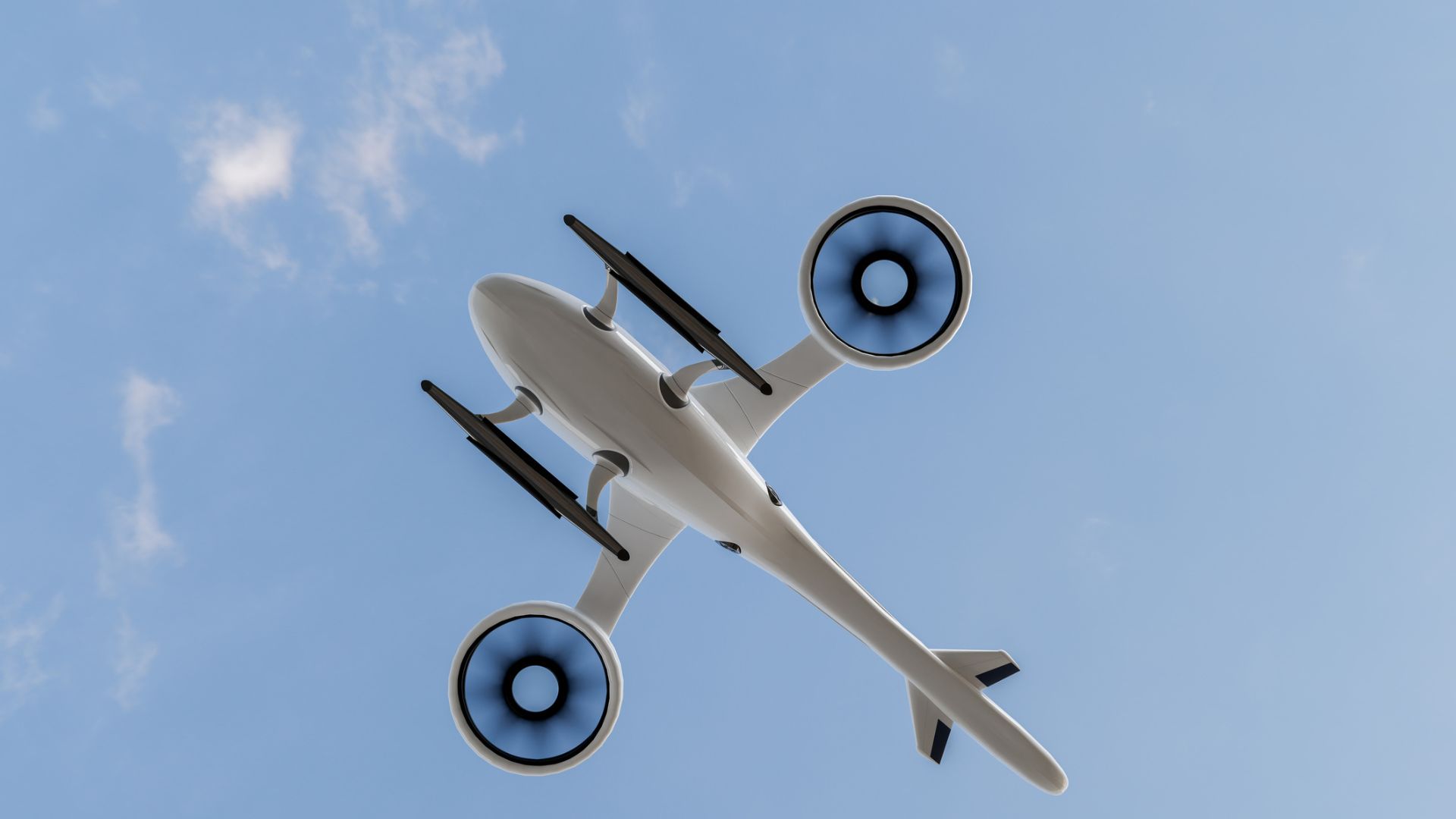
CATL aims for the sky with 350 Wh/kg batteries
CATL is moving toward mass production of a battery with an energy density of 350 Wh/kg designed specifically for electric aircraft.
When you are in the air, there is zero room for error. The company recently passed a rigorous safety test by intentionally triggering two adjacent battery cells. This checks for "thermal runaway"—a situation where one cell overheats and sets off a chain reaction of fires. Because the heat stayed contained, the system meets the tough safety standards required for passenger flying cars, or eVTOLs.
🔹 This energy density is roughly 50% higher than what you find in standard electric car batteries.
🔹 It is the world’s first aviation battery system using prismatic cells to pass this thermal runaway test.
🔹 All testing and cell production were verified by officials from the Civil Aviation Administration of China.
In an electric vehicle on the ground, extra battery weight is annoying, but in the air, it is a dealbreaker. By packing more energy into the same space compared to standard automotive packs, these batteries allow aircraft to travel further without becoming too heavy to lift off.
#CATL #aviation #tech
Interesting Engineering
Subscribe
CATL is moving toward mass production of a battery with an energy density of 350 Wh/kg designed specifically for electric aircraft.
When you are in the air, there is zero room for error. The company recently passed a rigorous safety test by intentionally triggering two adjacent battery cells. This checks for "thermal runaway"—a situation where one cell overheats and sets off a chain reaction of fires. Because the heat stayed contained, the system meets the tough safety standards required for passenger flying cars, or eVTOLs.
🔹 This energy density is roughly 50% higher than what you find in standard electric car batteries.
🔹 It is the world’s first aviation battery system using prismatic cells to pass this thermal runaway test.
🔹 All testing and cell production were verified by officials from the Civil Aviation Administration of China.
In an electric vehicle on the ground, extra battery weight is annoying, but in the air, it is a dealbreaker. By packing more energy into the same space compared to standard automotive packs, these batteries allow aircraft to travel further without becoming too heavy to lift off.
Safety in the sky is finally catching up to power.
#CATL #aviation #tech
Interesting Engineering
Subscribe
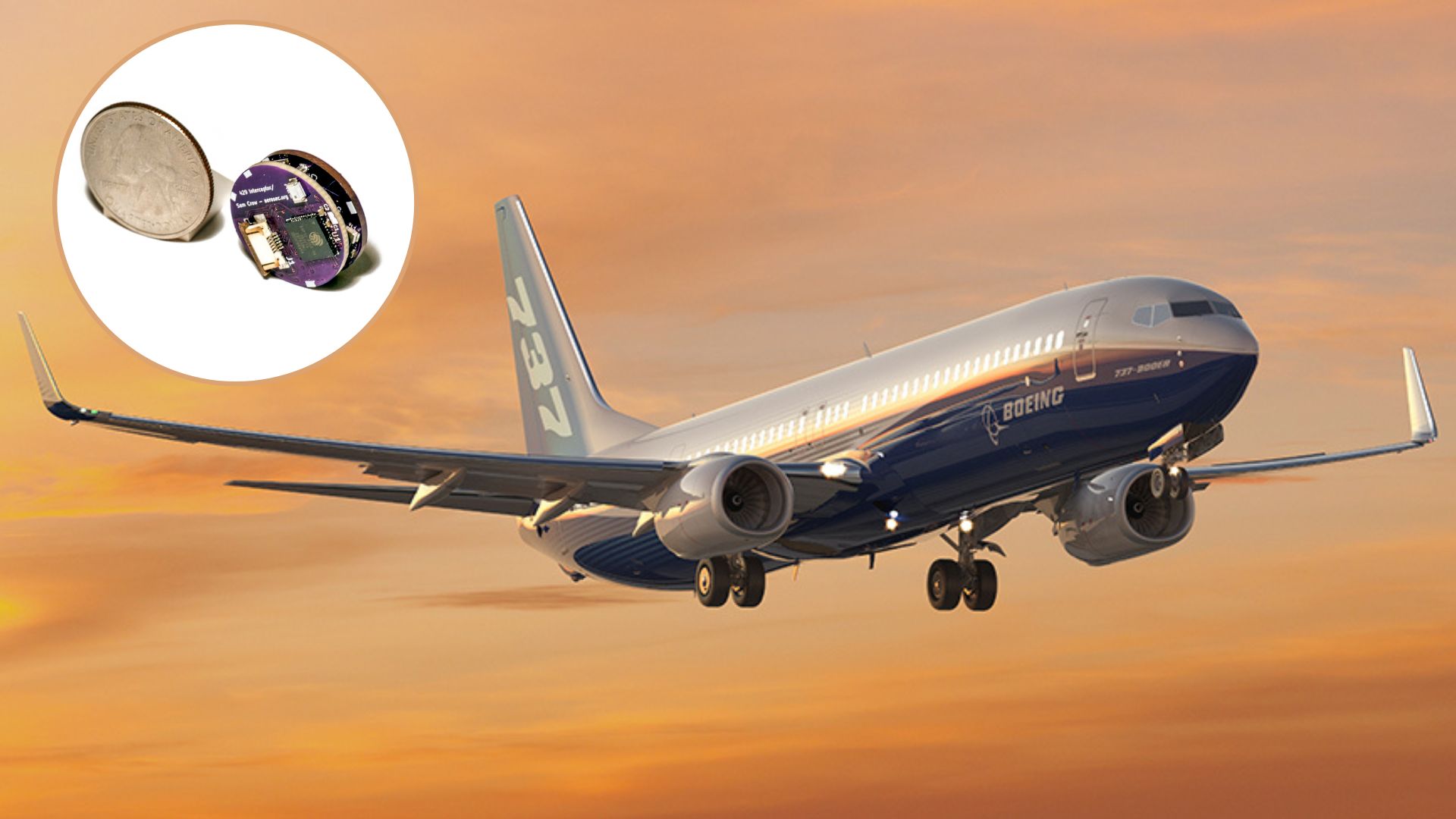
Boeing 737 flight systems vulnerable to 60-second physical hack
Researchers from UC San Diego and Oberlin College have proven that a tiny device, installed in under 60 seconds, can alter a plane's navigation. This vulnerability affects Boeing 737 Next Generation and 737 MAX variants, showing that modern avionics rely heavily on physical security at the airport.
The attack is surprisingly simple: a person with access to the outside of the plane opens a maintenance hatch, reaches a connector, and plugs in their gadget. The device then intercepts signals between the onboard computer and the pilot's controls.
While the Boeing 737 remains a staple of global travel, similar to how the Airbus A320 is used by countless airlines for short-to-medium range flights, this finding highlights a gap in how these systems are protected. It is a clear reminder that complex software security means very little if the physical port is left unguarded.
#Boeing #aviation #security
Interesting Engineering
Subscribe
Researchers from UC San Diego and Oberlin College have proven that a tiny device, installed in under 60 seconds, can alter a plane's navigation. This vulnerability affects Boeing 737 Next Generation and 737 MAX variants, showing that modern avionics rely heavily on physical security at the airport.
The attack is surprisingly simple: a person with access to the outside of the plane opens a maintenance hatch, reaches a connector, and plugs in their gadget. The device then intercepts signals between the onboard computer and the pilot's controls.
This equipment mimics legitimate signals to trick the flight management system, allowing the intruder to modify waypoints without alerting the crew.
While the Boeing 737 remains a staple of global travel, similar to how the Airbus A320 is used by countless airlines for short-to-medium range flights, this finding highlights a gap in how these systems are protected. It is a clear reminder that complex software security means very little if the physical port is left unguarded.
Physical access is the ultimate backdoor.
#Boeing #aviation #security
Interesting Engineering
Subscribe
👍1
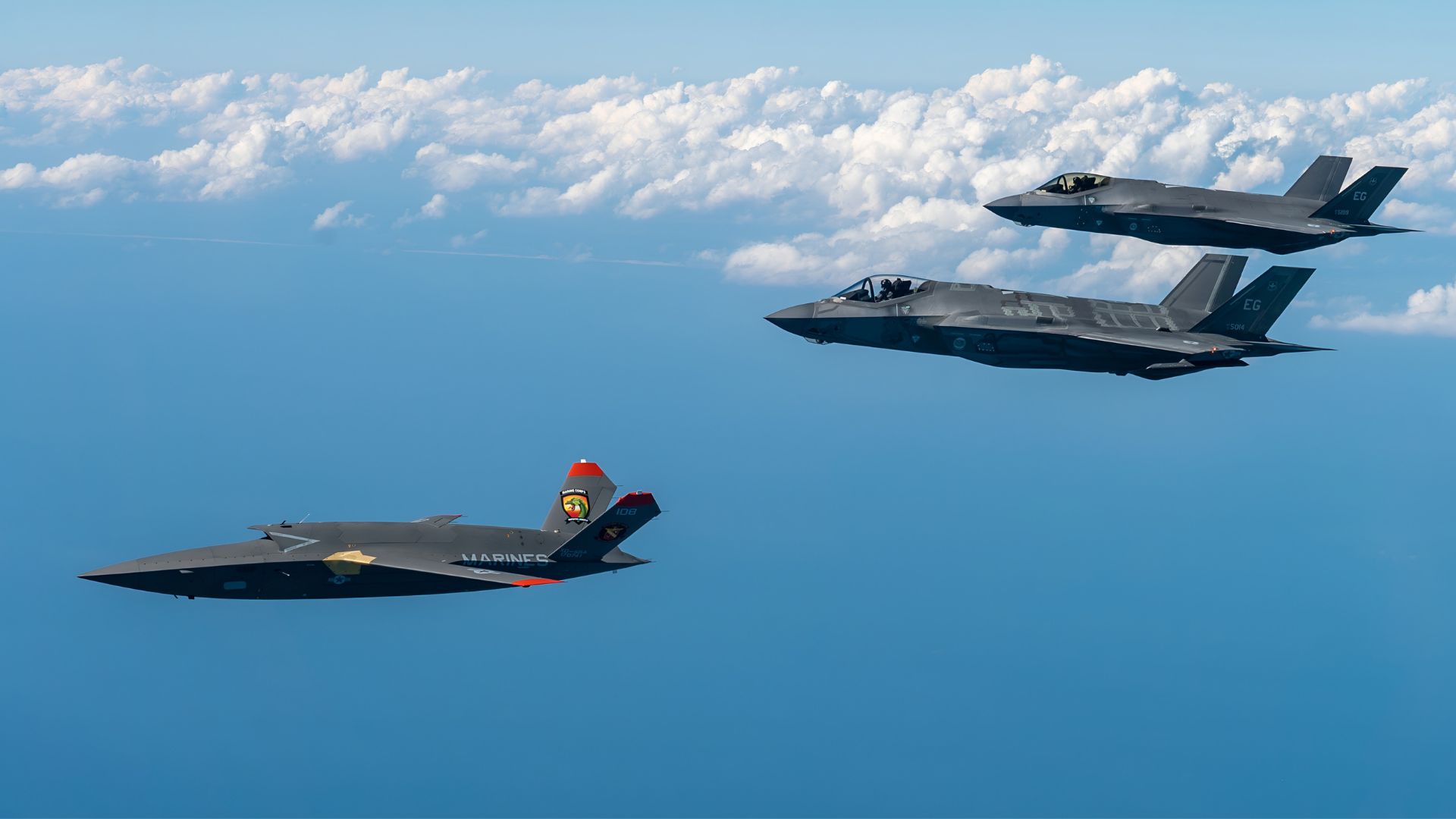
The XQ-58A Valkyrie just flew alongside the F-35
✈️
The U.S. Air Force has successfully tested an uncrewed XQ-58A Valkyrie drone operating autonomously alongside F-35 stealth jets. This test is a significant milestone because it happened without the need for a traditional, paved runway.
This means the drone can launch from almost anywhere, rather than being tied to a dedicated military base. It uses autonomous AI software to track and coordinate with the human-piloted jets in real-time. The main goal here is to let these drones handle the most dangerous parts of a mission, such as drawing enemy fire, while the pilot stays at a safer distance. 🤖
Traditional combat drones, like the MQ-9 Reaper, are heavy and require long runways plus extensive ground support to operate. The XQ-58A is built to be modular and relatively inexpensive, fitting into tactical situations where building a permanent airfield is not an option. It shifts drone operations from a rigid logistical challenge to a flexible, on-the-go tool that can move with the fight.
The future of aerial combat is clearly moving toward pairing expensive, piloted jets with smart drones that can handle the risk.
#tech #aviation #ai
Interesting Engineering
Subscribe
✈️
The U.S. Air Force has successfully tested an uncrewed XQ-58A Valkyrie drone operating autonomously alongside F-35 stealth jets. This test is a significant milestone because it happened without the need for a traditional, paved runway.
This means the drone can launch from almost anywhere, rather than being tied to a dedicated military base. It uses autonomous AI software to track and coordinate with the human-piloted jets in real-time. The main goal here is to let these drones handle the most dangerous parts of a mission, such as drawing enemy fire, while the pilot stays at a safer distance. 🤖
Traditional combat drones, like the MQ-9 Reaper, are heavy and require long runways plus extensive ground support to operate. The XQ-58A is built to be modular and relatively inexpensive, fitting into tactical situations where building a permanent airfield is not an option. It shifts drone operations from a rigid logistical challenge to a flexible, on-the-go tool that can move with the fight.
The future of aerial combat is clearly moving toward pairing expensive, piloted jets with smart drones that can handle the risk.
Machines are becoming the ultimate wingmen.🚀
#tech #aviation #ai
Interesting Engineering
Subscribe
Horizon Aeronautics targets 1,200-mile hybrid flights
An MIT spin-off named Horizon Aeronautics is developing a new aircraft designed to cover up to 1,200 miles without stopping.
The project focuses on cleaning up regional air travel. Short flights usually burn a lot of fuel for the distance they cover. Engineers are mixing electric motors with regular fuel engines to cut down this pollution.
By using electric power for parts of the journey and traditional engines for the rest, the design saves fuel while keeping planes flying far enough to be practical for airlines.
This approach could change how we think about short-haul trips and eco-friendly engineering.
#Aviation #Technology #Innovation
Interesting Engineering
Subscribe
An MIT spin-off named Horizon Aeronautics is developing a new aircraft designed to cover up to 1,200 miles without stopping.
The project focuses on cleaning up regional air travel. Short flights usually burn a lot of fuel for the distance they cover. Engineers are mixing electric motors with regular fuel engines to cut down this pollution.
This hybrid setup brings together the best of both worlds to tackle stubborn carbon emissions in short flights.
By using electric power for parts of the journey and traditional engines for the rest, the design saves fuel while keeping planes flying far enough to be practical for airlines.
This approach could change how we think about short-haul trips and eco-friendly engineering.
Cleaner skies are starting on the drawing board.
#Aviation #Technology #Innovation
Interesting Engineering
Subscribe
❤2
Electric Air Taxi Tests Begin in Texas
Today in Texas ✈️, a brand new federal program is kicking off to test electric, hybrid, and autonomous aircraft before the official rules are even finished.
The Federal Aviation Administration launched this Advanced Air Mobility project so companies like Joby, Beta, and Wisk can gather real-world data across the region. 🔋
Unlike traditional helicopters that rely on noisy jet fuel engines, these quieter machines are designed to weave through city traffic with zero direct emissions.
Regulators are finally testing the technology in the real world instead of waiting behind a desk.
#aviation #technology #texas
The Verge
Subscribe
Today in Texas ✈️, a brand new federal program is kicking off to test electric, hybrid, and autonomous aircraft before the official rules are even finished.
The Federal Aviation Administration launched this Advanced Air Mobility project so companies like Joby, Beta, and Wisk can gather real-world data across the region. 🔋
Throughout the week, these electric vertical take-off and landing aircraft will fly real-world routes between busy airports and urban hubs.
Unlike traditional helicopters that rely on noisy jet fuel engines, these quieter machines are designed to weave through city traffic with zero direct emissions.
Regulators are finally testing the technology in the real world instead of waiting behind a desk.
Science fiction is turning into your daily commute.
#aviation #technology #texas
The Verge
Subscribe
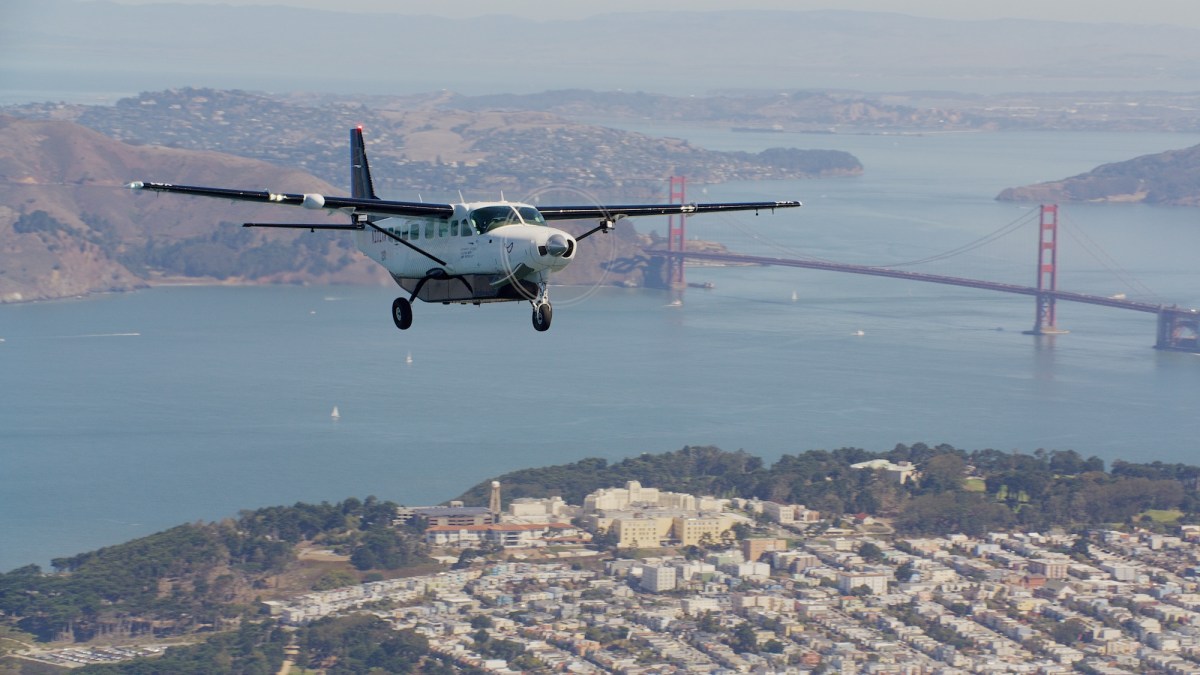
Joby Aviation completes a 3,199-mile autonomous flight
✈️
Joby Aviation has officially finished an autonomous cross-country flight covering 3,199 miles across the United States. No human pilot intervened at any point during the journey. 🌐
The test used a retrofitted Cessna fitted with specialized flight software. This system independently handled taxiing, takeoffs, and landings. The aircraft also navigated through challenging weather conditions without manual instructions from the ground. 🛠️
Unlike standard commercial autopilots that assist human pilots and require constant supervision, this system is designed for fully independent operation. By removing the need for a pilot to manage taxiing or sudden turbulence, the technology marks a distinct shift from current civil aviation standards where automation remains a supportive tool rather than a replacement for the flight crew. ⚙️
The entire mission successfully finished without any direct input from a human operator.
#autonomousflight #aviation #jobyaviation
Interesting Engineering
Subscribe
Ground stops hit major East Coast airports
Travel across the U.S. East Coast came to a standstill on Monday after the FAA issued a ground stop affecting 6 major airports, including JFK and LaGuardia.
The shutdown followed a critical equipment failure at the Philadelphia TRACON, a key air traffic control facility. This outage forced the suspension of flights at Newark, Philadelphia International, Teterboro, Westchester County, and Boston Logan.
By early afternoon, the failure delayed more than 600 flights at Newark and Philadelphia alone. This represents over 20% of all traffic at those specific hubs. Flightradar24 data shows average delays reached more than 4 hours, a significant increase from standard wait times seen on a typical travel day. The FAA is currently working to repair the system to restore full service.
#aviation #travel #news
Interesting Engineering
Subscribe
Software glitch in Boeing's 737 MAX airplanes causes delays
Boeing found a software glitch in its 737 MAX passenger planes that can turn off an automated navigation feature during a missed landing, leading the Federal Aviation Administration to launch a safety review and stalling the approval of two new airplane versions. ⚠️
The problem was first discovered back in November 2024 when an airline reported it, but the manufacturer initially concluded it did not present a safety risk. 🔍
As you might expect, carriers like Southwest and United have already asked the company to hold back deliveries of new aircraft equipped with this software, choosing an older version instead. ✈️
#Boeing #Aviation #TechNews
Subscribe
Electric flying vehicle for police patrols
Florida Polytechnic University is bringing a piloted electric aircraft into law enforcement operations in Florida. 🚁
The single-seat Jetson ONE aircraft features eight electric motors, a top speed of 63 mph, and an estimated flight time of 20 minutes to help officers navigate difficult areas.
#police ⚡ #aviation ⚡ #technology
Subscribe
👍1
NASA's quiet supersonic plane makes its public debut
On November 6, NASA publicly showcased its experimental X-59 aircraft in Florida ✈️, designed to break the sound barrier without the usual loud bang.
Instead of an explosive crack, its unusual pointy nose turns the sonic shockwave into a muffled sound like a closing door.
#NASA ⚡ #Aviation ⚡ #SupersonicFlight
Subscribe