
AI-designed enzymes outperform natural CRISPR tools
As of 2024, the first synthetic CRISPR enzymes are here 🚀, demonstrating significantly higher DNA editing efficiency than the natural versions found in biology.
Engineering these proteins through artificial intelligence allows for a level of precision that nature alone could not achieve. Biological enzymes often hit performance limits, making them less reliable for complex medical tasks.
This represents a change from simply using tools provided by nature to actively crafting them from scratch. These AI-generated versions clear the hurdles that previously held back therapeutic applications, offering a more effective way to fix genetic issues compared to the early, natural tools.
#CRISPR #BioTech #Innovation
iXBT: Новости
Subscribe
As of 2024, the first synthetic CRISPR enzymes are here 🚀, demonstrating significantly higher DNA editing efficiency than the natural versions found in biology.
Engineering these proteins through artificial intelligence allows for a level of precision that nature alone could not achieve. Biological enzymes often hit performance limits, making them less reliable for complex medical tasks.
By using AI to optimize protein structures, engineers have overcome the inherent limitations that once slowed down genetic editing processes.
This represents a change from simply using tools provided by nature to actively crafting them from scratch. These AI-generated versions clear the hurdles that previously held back therapeutic applications, offering a more effective way to fix genetic issues compared to the early, natural tools.
We are no longer limited by what nature evolved.
#CRISPR #BioTech #Innovation
iXBT: Новости
Subscribe
❤2👍1💊1
AI Designs New Life Forms to Target Bacteria
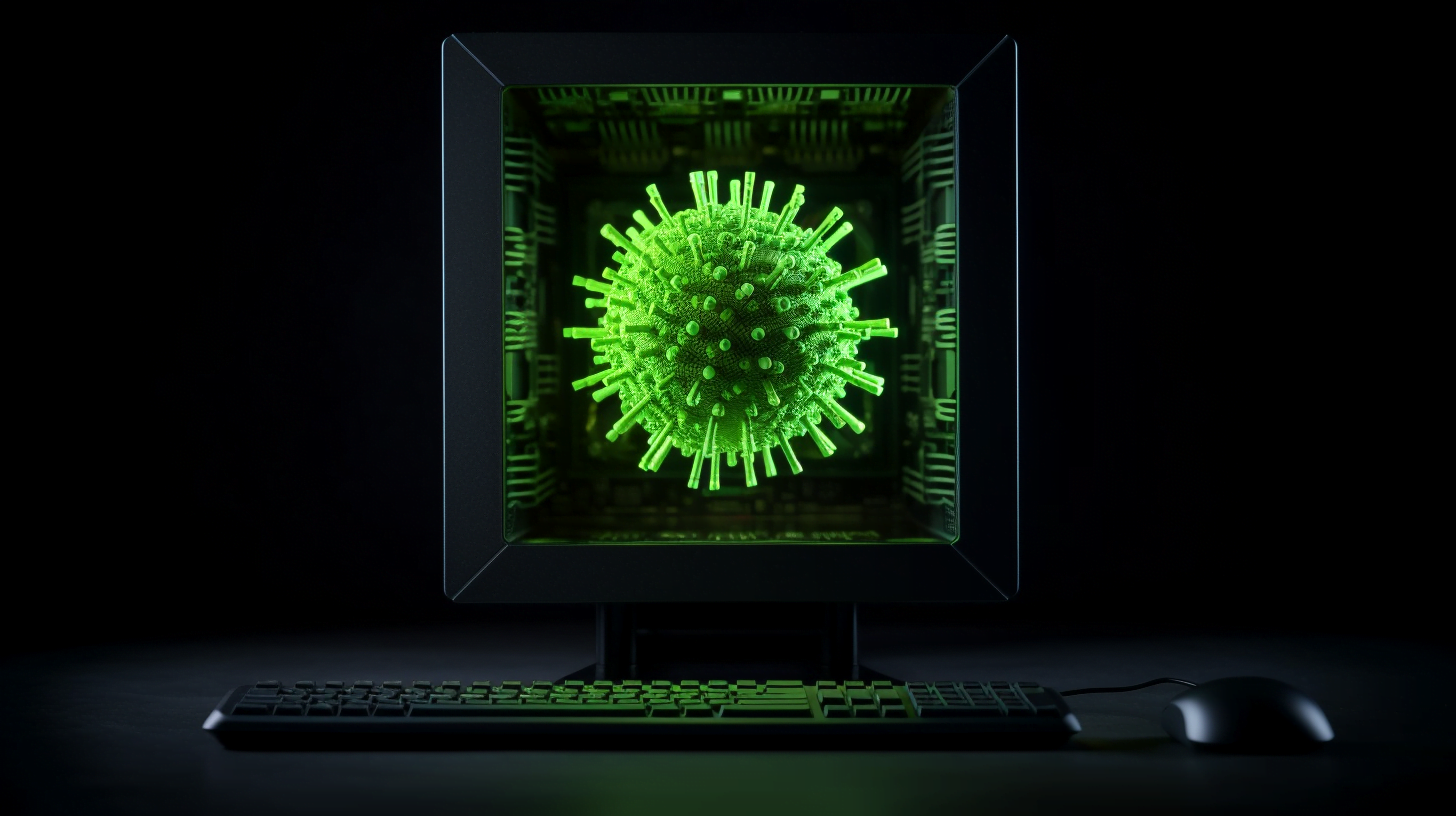
Researchers at Stanford and the Arc Institute have successfully created 16 working viral genomes using artificial intelligence. This marks a shift in synthetic biology: instead of modifying existing organisms, the team generated entirely new, functional viruses from scratch. They tested 285 digital designs, and these 16 survivors proved capable of surviving outside the computer and effectively targeting bacteria like E. coli. 🧬
The team used genomic models called Evo 1 and Evo 2. You can think of them like ChatGPT, but for DNA. While a language model learns to predict the next word in a sentence, these models learned the patterns of genetic sequences to write new, functional DNA code.
Most traditional synthetic biology projects involve stitching together known pieces of DNA, a process that is often slow and limited by existing biological templates. By letting Evo 1 and Evo 2 generate entirely new codes, the researchers created viruses that had never existed in nature, with some containing nearly 400 mutations compared to their closest natural relatives. This capability suggests we are moving into an era where we can design biological solutions to specific problems, rather than just waiting for nature to provide them. 🧪
#AI #Science #Biotech
The Decoder
Subscribe
Researchers at Stanford and the Arc Institute have successfully created 16 working viral genomes using artificial intelligence. This marks a shift in synthetic biology: instead of modifying existing organisms, the team generated entirely new, functional viruses from scratch. They tested 285 digital designs, and these 16 survivors proved capable of surviving outside the computer and effectively targeting bacteria like E. coli. 🧬
The team used genomic models called Evo 1 and Evo 2. You can think of them like ChatGPT, but for DNA. While a language model learns to predict the next word in a sentence, these models learned the patterns of genetic sequences to write new, functional DNA code.
The experiment showed that some of these AI-generated bacteriophages were actually better at neutralizing E. coli than the natural viruses used as a baseline for comparison.
Most traditional synthetic biology projects involve stitching together known pieces of DNA, a process that is often slow and limited by existing biological templates. By letting Evo 1 and Evo 2 generate entirely new codes, the researchers created viruses that had never existed in nature, with some containing nearly 400 mutations compared to their closest natural relatives. This capability suggests we are moving into an era where we can design biological solutions to specific problems, rather than just waiting for nature to provide them. 🧪
The line between computer code and living code is getting very thin.
#AI #Science #Biotech
The Decoder
Subscribe
How Imperial College London turned lettuce into a pork protein factory
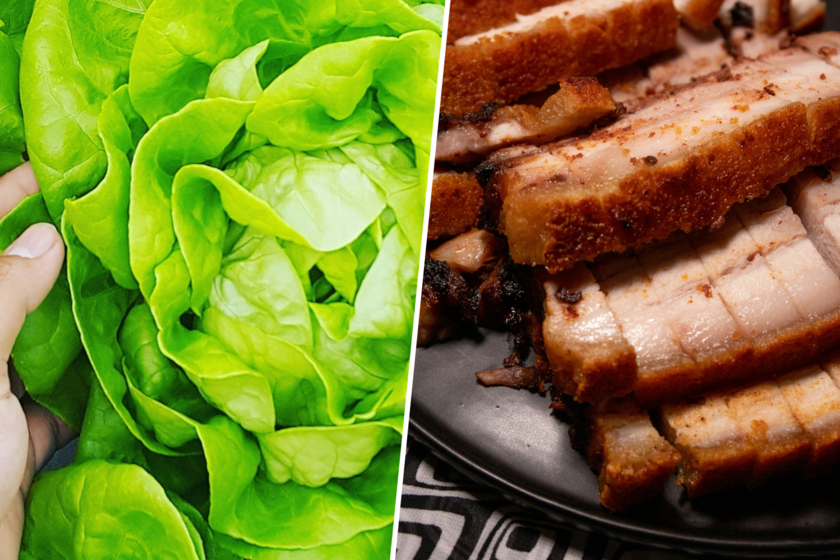
Fifteen years ago, a laboratory in Florida proved that plants could act as medicine factories by growing human insulin inside regular greens. Now, researchers at Imperial College London have forced lettuce to produce pig myoglobin, the protein that gives meat its distinct color and flavor. 🧬🌱
The team used a high-tech gene gun to shoot tiny DNA particles directly into the chloroplasts—the tiny solar panels where plants handle photosynthesis. This method is far more efficient than traditional DNA injection into the cell nucleus, and the trait successfully passed down to new generations of plants without losing stability.
You might wonder if this means your next salad will taste like bacon. Back when the Florida lab tried this with human proinsulin, over half of the plant's soluble protein turned out to be medicine, whereas the new pork protein yields much less because plants prefer making green chlorophyll over red meat components. That currently makes bacteria like E. coli more efficient at producing it. Even so, nobody is planning to eat this lettuce raw, as the real goal is to harvest massive batches of leaves, extract the protein, and use it as a pure food ingredient. 🚀
#biotech #science #foodtech
Xataka
Subscribe
Fifteen years ago, a laboratory in Florida proved that plants could act as medicine factories by growing human insulin inside regular greens. Now, researchers at Imperial College London have forced lettuce to produce pig myoglobin, the protein that gives meat its distinct color and flavor. 🧬🌱
The team used a high-tech gene gun to shoot tiny DNA particles directly into the chloroplasts—the tiny solar panels where plants handle photosynthesis. This method is far more efficient than traditional DNA injection into the cell nucleus, and the trait successfully passed down to new generations of plants without losing stability.
You might wonder if this means your next salad will taste like bacon. Back when the Florida lab tried this with human proinsulin, over half of the plant's soluble protein turned out to be medicine, whereas the new pork protein yields much less because plants prefer making green chlorophyll over red meat components. That currently makes bacteria like E. coli more efficient at producing it. Even so, nobody is planning to eat this lettuce raw, as the real goal is to harvest massive batches of leaves, extract the protein, and use it as a pure food ingredient. 🚀
Plants are quietly becoming our most efficient molecular factories.
#biotech #science #foodtech
Xataka
Subscribe
👍2
Apple unveils SimpleDesign AI
Apple researchers have launched SimpleDesign, an AI model that creates protein sequences and their 3D structures at the same time. 🚀
This approach simplifies how we build custom proteins. It helps researchers create new medicines and improves synthetic biology tasks. The system is designed to be more direct than previous methods.
🔹 It combines sequence generation and 3D folding in one step.
🔹 The model aims to speed up the discovery of new drugs.
🔹 It provides a streamlined path for designing biological materials.
While Google’s DeepMind created AlphaFold to predict structures, SimpleDesign focuses on generating new sequences and shapes simultaneously. This offers a different architecture for building proteins from scratch. The model operates with a focus on efficiency to outperform existing standard prediction tools.
#Apple #AI #Biotech
9to5Mac
Subscribe