

Court Ruling Speeds Up Power Grid Connections
The D.C. Circuit Court of Appeals has officially upheld FERC Order 2023, clearing a major legal hurdle to modernize the national energy grid. This decision mandates critical reforms to shorten the years-long waiting lines for new clean energy projects to join the power network.
Right now, plugging a wind farm or solar plant into the grid is a slow process. Developers often wait years just to get approved. Think of it like trying to join a busy highway where the on-ramp is permanently closed. The new order forces grid operators to prioritize projects that are actually ready to build, rather than letting speculative plans block the line.
Previously, the system relied on a "first-come, first-served" approach that allowed stalled projects to clog the queue for years. The Federal Energy Regulatory Commission struggled to manage this growing backlog, which blocked new capacity. By contrast, the new rules implement a "first-ready, first-served" standard. This change effectively cuts the red tape that previously prevented renewable energy from reaching homes efficiently. 🚀
#Energy #Grid #Infrastructure
CleanTechnica
Subscribe
The D.C. Circuit Court of Appeals has officially upheld FERC Order 2023, clearing a major legal hurdle to modernize the national energy grid. This decision mandates critical reforms to shorten the years-long waiting lines for new clean energy projects to join the power network.
Right now, plugging a wind farm or solar plant into the grid is a slow process. Developers often wait years just to get approved. Think of it like trying to join a busy highway where the on-ramp is permanently closed. The new order forces grid operators to prioritize projects that are actually ready to build, rather than letting speculative plans block the line.
Previously, the system relied on a "first-come, first-served" approach that allowed stalled projects to clog the queue for years. The Federal Energy Regulatory Commission struggled to manage this growing backlog, which blocked new capacity. By contrast, the new rules implement a "first-ready, first-served" standard. This change effectively cuts the red tape that previously prevented renewable energy from reaching homes efficiently. 🚀
Infrastructure just got a green light to move faster.
#Energy #Grid #Infrastructure
CleanTechnica
Subscribe
❤1
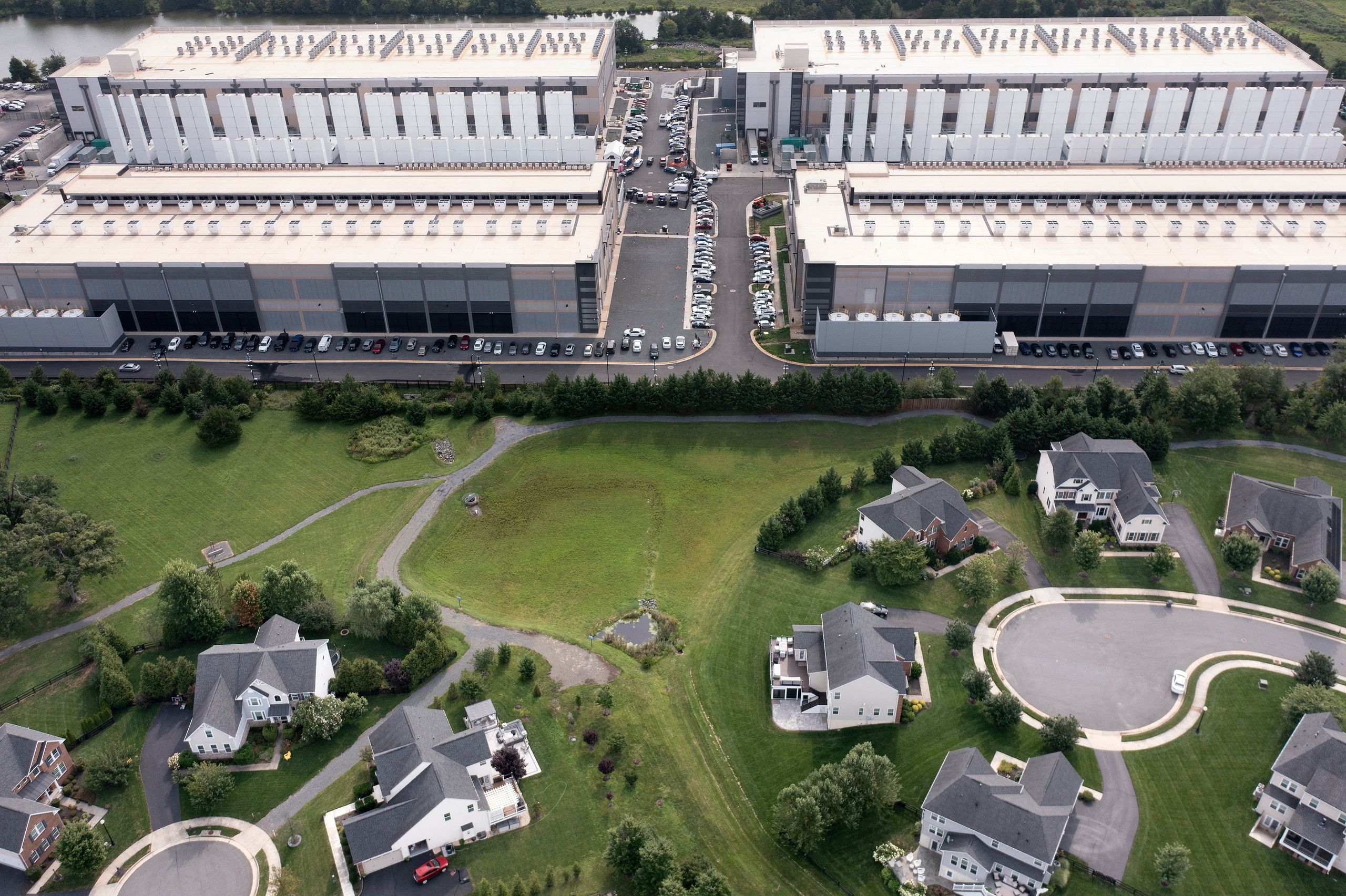
PJM Interconnection Moves to Protect Households from Grid Failure
PJM Interconnection, the largest grid operator in the United States, has officially asked federal regulators to approve a new policy prioritizing power delivery to homes and essential services during times of crisis. This change would specifically target new, massive data centers that require at least 50MW of power to operate.
Data centers, particularly those training artificial intelligence, require immense amounts of electricity around the clock. This surge in demand has begun to stress local grids, making it harder to guarantee consistent power for everyone else.
Previously, data centers were treated as standard industrial clients, connecting to the power lines without having to prove their ability to generate their own electricity. By forcing them to install independent power sources, the operator is acknowledging that modern data centers are no longer just customers, but high-risk, massive consumers that can threaten the balance of the grid.
#grid #tech #energy
Tom's Hardware
Subscribe
PJM Interconnection, the largest grid operator in the United States, has officially asked federal regulators to approve a new policy prioritizing power delivery to homes and essential services during times of crisis. This change would specifically target new, massive data centers that require at least 50MW of power to operate.
Data centers, particularly those training artificial intelligence, require immense amounts of electricity around the clock. This surge in demand has begun to stress local grids, making it harder to guarantee consistent power for everyone else.
The proposal would require such data centers to implement on-site power generation to maintain operations during grid instability.
Previously, data centers were treated as standard industrial clients, connecting to the power lines without having to prove their ability to generate their own electricity. By forcing them to install independent power sources, the operator is acknowledging that modern data centers are no longer just customers, but high-risk, massive consumers that can threaten the balance of the grid.
The era of infinite, cheap grid power for Big Tech is ending.
#grid #tech #energy
Tom's Hardware
Subscribe