

Tesla stops sales of its Solar Roof after 8 years
Tesla has officially ended new orders for its Solar Roof, closing the door on the energy-generating tiles that first debuted in 2016.
The product was meant to be a drop-in replacement for traditional roofing, offering power generation without the bulky look you might be used to with standard panels. Despite the ambitious vision, the system faced challenges with installation speed and high project costs. The company has now redirected its official web page for the product to its standard solar panel offerings, signaling a full pivot away from the integrated tile design.
While the Solar Roof disappears, Tesla continues to sell its standard solar panels. These remain the go-to solution for residential customers, as they are significantly easier to mount on existing roof structures and typically come at a more accessible price point than a full-tile replacement.
It is a sober end for a product that aimed to change how homes interact with the grid.
#Tesla #Solar #Energy
The Verge
Subscribe
Tesla has officially ended new orders for its Solar Roof, closing the door on the energy-generating tiles that first debuted in 2016.
The product was meant to be a drop-in replacement for traditional roofing, offering power generation without the bulky look you might be used to with standard panels. Despite the ambitious vision, the system faced challenges with installation speed and high project costs. The company has now redirected its official web page for the product to its standard solar panel offerings, signaling a full pivot away from the integrated tile design.
While the Solar Roof disappears, Tesla continues to sell its standard solar panels. These remain the go-to solution for residential customers, as they are significantly easier to mount on existing roof structures and typically come at a more accessible price point than a full-tile replacement.
It is a sober end for a product that aimed to change how homes interact with the grid.
Some big ideas simply run out of runway.
#Tesla #Solar #Energy
The Verge
Subscribe
👍1
California Assembly clears path for plug-in solar
The California State Assembly has passed SB 868, a bill that could change how you get electricity at home. This legislation aims to simplify the rules for small, "plug-in" solar systems so you can easily install them on your balcony.
Right now, adding even a small amount of solar power involves complex permit applications and utility coordination. It is often too complicated for a regular person to manage. This bill cuts through that bureaucracy. The Senate now needs to review the changes before the law can be finalized.
Traditional rooftop solar projects cost thousands of dollars and require professional installers to set up. In contrast, these balcony kits are designed for easy, personal use. They offer an entry-level way for renters and homeowners to lower their utility bills without a massive, expensive renovation. 🚀
#solar #california #energy
PV Magazine
Subscribe
The California State Assembly has passed SB 868, a bill that could change how you get electricity at home. This legislation aims to simplify the rules for small, "plug-in" solar systems so you can easily install them on your balcony.
Right now, adding even a small amount of solar power involves complex permit applications and utility coordination. It is often too complicated for a regular person to manage. This bill cuts through that bureaucracy. The Senate now needs to review the changes before the law can be finalized.
Traditional rooftop solar projects cost thousands of dollars and require professional installers to set up. In contrast, these balcony kits are designed for easy, personal use. They offer an entry-level way for renters and homeowners to lower their utility bills without a massive, expensive renovation. 🚀
Clean energy should be as simple as plugging in a device.
#solar #california #energy
PV Magazine
Subscribe
👍2
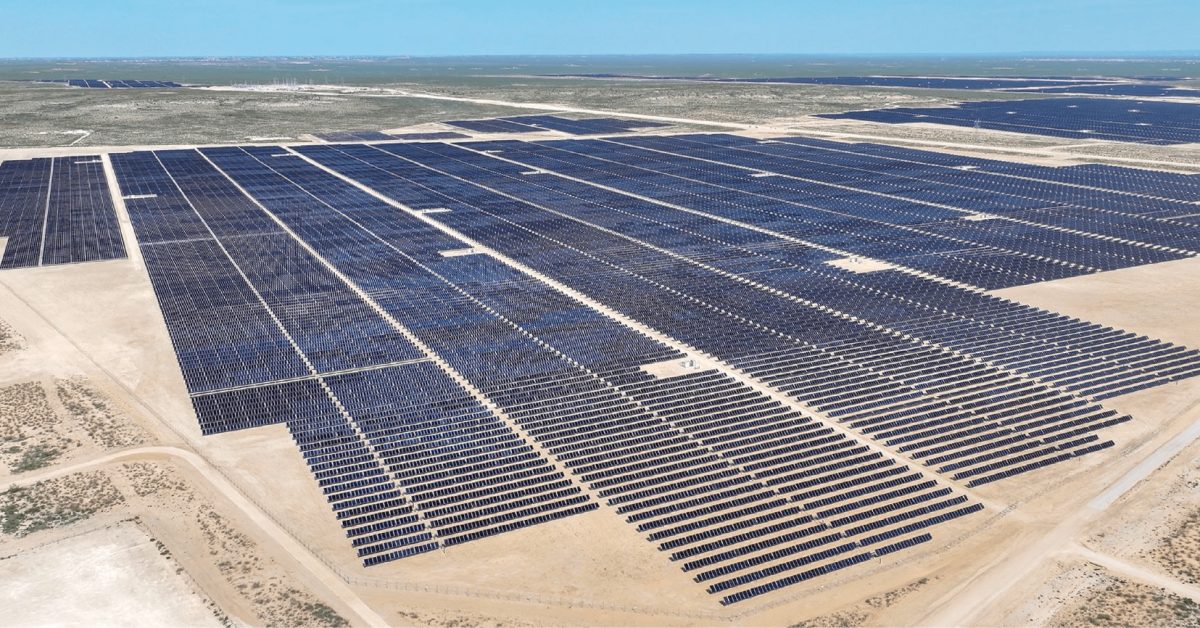
Renewables set to overtake natural gas by 2027
The U.S. Energy Information Administration (EIA) projects that renewable energy capacity in the United States will surpass natural gas by summer 2027. This shift, highlighted in a review by the SUN DAY Campaign, is driven largely by the rapid installation of small-scale solar panels on homes and businesses.
This transition signals a move toward a more decentralized power grid. We are shifting from a system that depends on a few massive, central power plants toward one supported by millions of smaller, local energy sources.
▫️ Small-scale solar reduces the load on main transmission lines by creating power where it is used.
▫️ Falling equipment costs make renewable energy adoption accessible to more homeowners.
▫️ Grid operators are modernizing infrastructure to handle diverse, local power inputs more effectively.
For years, natural gas has been the dominant fuel source and the primary replacement for retiring coal plants across the country. With renewables now catching up, the heavy reliance on a single, fuel-intensive technology is finally being eclipsed by a diverse mix of power sources.
The energy systems that power our daily lives are transforming in real time.
#energy #technology #environment
Electrek
Subscribe
The U.S. Energy Information Administration (EIA) projects that renewable energy capacity in the United States will surpass natural gas by summer 2027. This shift, highlighted in a review by the SUN DAY Campaign, is driven largely by the rapid installation of small-scale solar panels on homes and businesses.
This transition signals a move toward a more decentralized power grid. We are shifting from a system that depends on a few massive, central power plants toward one supported by millions of smaller, local energy sources.
▫️ Small-scale solar reduces the load on main transmission lines by creating power where it is used.
▫️ Falling equipment costs make renewable energy adoption accessible to more homeowners.
▫️ Grid operators are modernizing infrastructure to handle diverse, local power inputs more effectively.
For years, natural gas has been the dominant fuel source and the primary replacement for retiring coal plants across the country. With renewables now catching up, the heavy reliance on a single, fuel-intensive technology is finally being eclipsed by a diverse mix of power sources.
The energy systems that power our daily lives are transforming in real time.
Energy independence is becoming personal.
#energy #technology #environment
Electrek
Subscribe
👍4❤2

Donald Trump bans foreign-made grid equipment
Donald Trump recently signed an executive order to protect the power grid in the United States. The mandate restricts the acquisition of transformers, inverters, and circuit breakers from abroad. This action seeks to protect the power infrastructure from potential digital and physical threats.
The order targets hardware like transformers, circuit breakers, and inverters—the essential devices that move electricity from power plants to your home. It also introduces new rules for complex software and digital systems, which are increasingly critical to energy management. Manufacturers are now looking for clarity on how to verify the country of origin for these digital components.
Previously, utility companies could source grid hardware globally with less attention on the digital supply chain. Unlike the earlier, strictly hardware-focused regulations, this new directive forces the industry to monitor the provenance of every software element embedded in its machines.
#energy #security #infrastructure
Utility Dive
Subscribe
Donald Trump recently signed an executive order to protect the power grid in the United States. The mandate restricts the acquisition of transformers, inverters, and circuit breakers from abroad. This action seeks to protect the power infrastructure from potential digital and physical threats.
The order targets hardware like transformers, circuit breakers, and inverters—the essential devices that move electricity from power plants to your home. It also introduces new rules for complex software and digital systems, which are increasingly critical to energy management. Manufacturers are now looking for clarity on how to verify the country of origin for these digital components.
Previously, utility companies could source grid hardware globally with less attention on the digital supply chain. Unlike the earlier, strictly hardware-focused regulations, this new directive forces the industry to monitor the provenance of every software element embedded in its machines.
Security now starts at the power plant.
#energy #security #infrastructure
Utility Dive
Subscribe

Hidden energy in the Pilbara region
Researchers at Edith Cowan University discovered that iron-rich rocks in the Pilbara region of Western Australia can generate hydrogen naturally. 🌍 This chemical process happens when minerals buried deep underground meet hot water.
The team, led by Associate Professor Alireza Keshavarz, identified a way to stimulate this reaction by injecting a solution into the rock formations.
Unlike renewable projects like wind or solar farms which often require clearing vast swathes of land for new infrastructure, this discovery offers a unique advantage. By leveraging the existing geology of the region, this method could turn a resource-heavy hub into a clean, self-replenishing power source without the massive surface-level footprint.
#energy #innovation #Australia
ScienceDaily: Technology
Subscribe
Researchers at Edith Cowan University discovered that iron-rich rocks in the Pilbara region of Western Australia can generate hydrogen naturally. 🌍 This chemical process happens when minerals buried deep underground meet hot water.
The team, led by Associate Professor Alireza Keshavarz, identified a way to stimulate this reaction by injecting a solution into the rock formations.
"Australia could be sitting on a massive, untapped energy reserve, and the potential is enormous."This means we could potentially scale up this natural production to create a significant source of clean energy. 🚀
Unlike renewable projects like wind or solar farms which often require clearing vast swathes of land for new infrastructure, this discovery offers a unique advantage. By leveraging the existing geology of the region, this method could turn a resource-heavy hub into a clean, self-replenishing power source without the massive surface-level footprint.
The fuel of the future might be hiding in our own backyard.
#energy #innovation #Australia
ScienceDaily: Technology
Subscribe
❤2

PG&E will pay up to $17,000 to use your electric car as a home battery
Drivers in California can now receive up to $17,000 in incentives by using their electric vehicle as a backup power source through an expanded program from PG&E.
The technology is called V2X, or Vehicle-to-Everything. Think of it as turning your car into a mobile power bank for your house. When your local grid needs a boost, your parked car feeds energy back into your home systems. You can now enroll specific models from Tesla, Kia, Volvo, Polestar, and Nissan.
The utility has brought in Bidirectional Energy and PowerFlex to manage the technology. Owners have until June 30, 2027, to sign up and start claiming these payments.
For comparison, purchasing a standalone home battery like a Tesla Powerwall often costs around $10,000 or more, excluding installation. This program effectively lets you use the battery you already own for driving to solve your home energy needs while getting paid.
#EV #PG&E #Energy
Electrek
Subscribe
Drivers in California can now receive up to $17,000 in incentives by using their electric vehicle as a backup power source through an expanded program from PG&E.
The technology is called V2X, or Vehicle-to-Everything. Think of it as turning your car into a mobile power bank for your house. When your local grid needs a boost, your parked car feeds energy back into your home systems. You can now enroll specific models from Tesla, Kia, Volvo, Polestar, and Nissan.
The utility has brought in Bidirectional Energy and PowerFlex to manage the technology. Owners have until June 30, 2027, to sign up and start claiming these payments.
For comparison, purchasing a standalone home battery like a Tesla Powerwall often costs around $10,000 or more, excluding installation. This program effectively lets you use the battery you already own for driving to solve your home energy needs while getting paid.
It is a clever way to turn a parked asset into a personal power plant.
#EV #PG&E #Energy
Electrek
Subscribe
California Gets a New Virtual Power Plant from Google and Tesla 🚀
In California, Google, Tesla, Sunrun, and Pacific Gas and Electric are teaming up to launch a shared energy network.
Instead of building expensive new power stations, they are linking thousands of home batteries and solar panels together. When the local grid runs low on power, this network automatically shares stored electricity to keep homes running smoothly.
You do not need to build anything new to help out. Your existing home solar setup or garage battery can quietly pitch in behind the scenes.
#virtualpowerplant #energy #tesla
Energy Storage News
Subscribe
In California, Google, Tesla, Sunrun, and Pacific Gas and Electric are teaming up to launch a shared energy network.
Instead of building expensive new power stations, they are linking thousands of home batteries and solar panels together. When the local grid runs low on power, this network automatically shares stored electricity to keep homes running smoothly.
This setup pools home batteries and solar arrays so the whole neighborhood can share extra electricity when it is needed most.
You do not need to build anything new to help out. Your existing home solar setup or garage battery can quietly pitch in behind the scenes.
Your garage battery is becoming part of the power grid.
#virtualpowerplant #energy #tesla
Energy Storage News
Subscribe
Suniva secures $835 million for South Carolina solar factory
🔥 The American solar manufacturer Suniva just secured $835 million to build out massive new clean energy production. If you have been following how energy is made closer to home, this financial injection is a huge turning point.
The company is pouring this money into a $600 million facility located in Laurens County, South Carolina. The 621,468-square-foot building shell is already finished, and you can expect full production to ramp up in 2028 following a late 2027 opening. This site will add 4.5 gigawatts of high-efficiency monocrystalline silicon solar cell capacity and bring 564 new manufacturing jobs to the region.
This new plant represents a massive step up compared to Suniva's existing, fully operational facility in Norcross, Georgia, which currently delivers just 1 gigawatt of solar capacity. 🚀
#solar #manufacturing #energy
PV Magazine
Subscribe
🔥 The American solar manufacturer Suniva just secured $835 million to build out massive new clean energy production. If you have been following how energy is made closer to home, this financial injection is a huge turning point.
The company is pouring this money into a $600 million facility located in Laurens County, South Carolina. The 621,468-square-foot building shell is already finished, and you can expect full production to ramp up in 2028 following a late 2027 opening. This site will add 4.5 gigawatts of high-efficiency monocrystalline silicon solar cell capacity and bring 564 new manufacturing jobs to the region.
This new plant represents a massive step up compared to Suniva's existing, fully operational facility in Norcross, Georgia, which currently delivers just 1 gigawatt of solar capacity. 🚀
Building the future of energy right in our own backyard.
#solar #manufacturing #energy
PV Magazine
Subscribe

Texas power grid handles record heat with ease
Texas just made it through its hottest summer on record without a single voluntary power saving request. Even with demand hitting a record 91,308 MW on July 22, the lights stayed on and the AC kept running. 🚀
The grid operator ERCOT credits a massive shift in how the state stores power. Back in 2021, Texas had only 857 MW of battery capacity. By July 2026, that number skyrocketed to roughly 21.7 GW. This allows the grid to capture excess solar energy during the day and release it precisely when the sun sets and people return home to turn on their appliances.
This is a sharp contrast to 2023, when ERCOT had to ask residents to cut usage six times in just one week to prevent blackouts. Now, batteries act as a bridge, keeping the network stable even when solar production drops off at dusk. The EIA confirms these batteries are now fundamental to maintaining network stability.
#Texas #Energy #Technology
Xataka
Subscribe
Texas just made it through its hottest summer on record without a single voluntary power saving request. Even with demand hitting a record 91,308 MW on July 22, the lights stayed on and the AC kept running. 🚀
The grid operator ERCOT credits a massive shift in how the state stores power. Back in 2021, Texas had only 857 MW of battery capacity. By July 2026, that number skyrocketed to roughly 21.7 GW. This allows the grid to capture excess solar energy during the day and release it precisely when the sun sets and people return home to turn on their appliances.
This system effectively flattens the "duck curve," a term used to describe the mismatch between when solar energy is generated during peak sun hours and when electricity is actually needed by the public.
This is a sharp contrast to 2023, when ERCOT had to ask residents to cut usage six times in just one week to prevent blackouts. Now, batteries act as a bridge, keeping the network stable even when solar production drops off at dusk. The EIA confirms these batteries are now fundamental to maintaining network stability.
Reliable power without the stress is a major win for everyone. 🔥
#Texas #Energy #Technology
Xataka
Subscribe
👍2

Pennsylvania PUC Reviews Electricity Rules for AI Data Centers
The Pennsylvania Public Utility Commission has launched a formal review of electricity rates and usage limits to manage the energy demand from AI data centers across Pennsylvania. ⚡
These server farms act like power-hungry cities, pulling constant, high-density electricity that strains the local power grid. The PJM regional transmission organization, which manages energy flow across the area, is concerned that the current infrastructure cannot keep up with the rapid, concentrated growth of digital demand. Regulators are now debating how to balance this surge without compromising electricity availability for the rest of the grid. 🔌
Unlike standard growth from new housing developments, which utilities can predict and plan for years in advance, these data centers often trigger sudden, intense spikes in energy needs. This creates a far more complex challenge than the traditional, slower expansion of residential power usage that grid operators are accustomed to handling. 🖥️
New rules may determine how quickly these facilities can connect to the grid and who foots the bill for the massive required upgrades.
#AI #Energy #Pennsylvania
Utility Dive
Subscribe
The Pennsylvania Public Utility Commission has launched a formal review of electricity rates and usage limits to manage the energy demand from AI data centers across Pennsylvania. ⚡
These server farms act like power-hungry cities, pulling constant, high-density electricity that strains the local power grid. The PJM regional transmission organization, which manages energy flow across the area, is concerned that the current infrastructure cannot keep up with the rapid, concentrated growth of digital demand. Regulators are now debating how to balance this surge without compromising electricity availability for the rest of the grid. 🔌
Unlike standard growth from new housing developments, which utilities can predict and plan for years in advance, these data centers often trigger sudden, intense spikes in energy needs. This creates a far more complex challenge than the traditional, slower expansion of residential power usage that grid operators are accustomed to handling. 🖥️
New rules may determine how quickly these facilities can connect to the grid and who foots the bill for the massive required upgrades.
Managing the power hunger of AI is now a regulatory priority.
#AI #Energy #Pennsylvania
Utility Dive
Subscribe
Germany opens energy grid to 23 GWh of home storage
Germany is updating its energy regulations to connect 23 GWh of home battery storage systems directly to the national grid.
This change allows residential owners to sync their systems into virtual power plants. By pooling small household batteries together, the grid can better balance energy supply and demand during peak hours.
Previously, these residential batteries served only as private backup power for individual households. This shift allows them to compete more directly with large-scale utility infrastructure, moving beyond simple passive storage to become active grid participants.
#Germany #Energy #DNA
Energy Storage News
Subscribe
Germany is updating its energy regulations to connect 23 GWh of home battery storage systems directly to the national grid.
This change allows residential owners to sync their systems into virtual power plants. By pooling small household batteries together, the grid can better balance energy supply and demand during peak hours.
Researchers have also successfully programmed DNA molecules to perform independent logic operations, effectively mimicking basic computing functions at a microscopic level.
Previously, these residential batteries served only as private backup power for individual households. This shift allows them to compete more directly with large-scale utility infrastructure, moving beyond simple passive storage to become active grid participants.
#Germany #Energy #DNA
Energy Storage News
Subscribe
Australia’s first grid-connected sodium-sulfur battery
Australia has just launched its 1st grid-connected sodium-sulfur battery system in Queensland. This installation is now actively powering a local critical minerals processing facility.
Sodium-sulfur (NAS) batteries are different from the lithium-ion ones found in your smartphone or electric vehicle. These units are designed for long-duration energy storage. This means they can release power steadily over many hours, making them ideal for stabilizing the grid when renewable sources like solar or wind are unavailable.
While lithium-ion technology is excellent for short, high-power bursts, NAS batteries offer a different approach for sustaining industrial operations. This project marks a significant move toward testing new energy storage solutions on a commercial scale. The system is currently fully operational and integrated into the facility's power supply infrastructure.
#Energy #Queensland #Technology
PV Magazine
Subscribe
👍1
Peak Energy opens first water-based battery line in Sacramento
Peak Energy has started high-volume production at a new manufacturing plant in Sacramento, California, designed to build water-based metal batteries.
These batteries utilize a water-based chemistry as an alternative to common lithium-ion cells. The design supports a cycle life of 30,000 charges.
This facility will primarily support large-scale energy infrastructure projects. The expansion is set to create 239 new jobs in the region. Unlike traditional lithium-ion options that degrade after several thousand uses, this water-based design is intended for long-term grid storage.
#Energy #Tech #Sustainability
Subscribe
Peak Energy has started high-volume production at a new manufacturing plant in Sacramento, California, designed to build water-based metal batteries.
These batteries utilize a water-based chemistry as an alternative to common lithium-ion cells. The design supports a cycle life of 30,000 charges.
This figure represents a significant increase in lifespan compared to the standard life cycle of typical lithium-ion technology.
This facility will primarily support large-scale energy infrastructure projects. The expansion is set to create 239 new jobs in the region. Unlike traditional lithium-ion options that degrade after several thousand uses, this water-based design is intended for long-term grid storage.
#Energy #Tech #Sustainability
Subscribe
❤3👍1
Fervo Energy's geothermal energy project starts power delivery in Utah
Geothermal startup Fervo Energy has begun selling power to the grid from its Cape Station project in Utah, bringing a 33-megawatt unit online. 🔥
If you thought geothermal energy only works near natural geysers, think again. The company uses oil and gas drilling techniques to make its own underground reservoirs in hot rocks.
Back in late 2023, their earlier pilot project in Nevada produced just 3.5 megawatts. The new Utah site will eventually reach 500 megawatts to power homes and data centers.
The clean electricity goes to Shell Energy in California, and another agreement with Google is already lined up for future expansion.
#geothermal #energy #tech
Subscribe
Global solar power generation surpasses nuclear
In 2025, global solar power generation surpassed nuclear power for the first time. Solar output jumped by 30%, while installed nuclear capacity remained flat at 399.5 GW.
Back in March 2025, wind power beat nuclear output monthly, and solar followed in April 2025. Operating nuclear capacity dropped to 368.6 GW, supplying just 8.8% of world electricity, down from 17.5% in 1996.
Building a new nuclear reactor takes an average of nearly 11 years with frequent delays. Meanwhile, falling battery storage costs and rapid solar expansion let power grids handle variable clean energy much faster.
☀️ #solar #energy #technology
Subscribe
❤2
A Chinese clean energy firm's reactor achieves hydrogen-boron fusion
On Monday, September 28, ENN Group achieved hydrogen-boron fusion reactions in the EXL-50U spherical tokamak, hitting a rate of 100 million reactions per second. 🔥
Most fusion projects use tritium, which is radioactive and scarce. Hydrogen-boron uses safer, abundant fuel, but it requires extreme conditions. Researchers solved this by combining high-energy neutral beam injection with radio frequency waves to boost particle energy.
For you, this means engineers are one step closer to building clean power plants that run on virtually limitless fuel without producing dangerous radiation.
#fusion #energy #technology
Subscribe
Clean hydrogen production gets cheaper with new sunlight material
On October 4, 2026, researchers at Oregon State University built a new light-powered material that can produce hydrogen from water without expensive metal catalysts. Led by Kyriakos Stylianou, the team used sulfur-based building blocks in a structure called BVR-19 to capture sunlight and drive the reaction directly. ☀️
If you follow green tech, you probably know that making clean fuel is usually expensive. Traditional hydrogen from natural gas costs about $1.50 per kilogram, while green hydrogen costs roughly $5. Because this new material forms easily at room temperature and skips rare metals, it could finally help bring those costs down for everyday use. 💧 🔋
#science #technology #energy
Subscribe
👏1
Tesla will buy power from a massive new Arizona solar plant
A sprawling 2,000-acre solar farm in the desert will soon power major operations after breaking ground on October 6. ContourGlobal is building the 509-megawatt facility in Mohave County, Arizona, under an agreement to send 90 percent of its electricity output directly to Tesla.
The facility will combine over 760,000 solar panels with more than 300 battery storage containers using lithium iron phosphate batteries. These batteries can store about 1.4 gigawatt-hours of energy and deliver full power for four hours. Once operations begin in 2028, the site will produce more than 1.1 terawatt-hours of clean electricity annually.
That yearly output equals the electricity demand of up to 120,000 average homes. The project also brings about 400 local construction jobs to the area along with a new access road connecting to a historic stretch of Route 66.
The facility connects directly to the transmission network of the Western Area Power Administration.
☀️🔋⚡
#Solar #Tesla #Energy
Subscribe
Electric cars displace $20 billion in oil
Between March and August 2026, electric vehicle fleets globally avoided 200 million barrels of crude oil, worth an estimated $20 billion. ⚡ The energy think tank Ember notes that this shift provided economic protection for oil-importing nations during the ongoing Hormuz energy crisis.
China accounted for the largest savings at $14 billion, while the EU saved $3.1 billion. The transition to electric power reduced exposure to volatile oil prices and potential supply disruptions.
While adoption grows globally, the United States is lagging. Fifteen nations, including India and Brazil, have surpassed the United States in the share of new vehicles sold that are fully electric this year. Battery electric vehicles accounted for just 6% of light-duty vehicle sales in the United States during the first eight months of 2026, a result of the removal of federal tax credits.
#EV #Energy #Oil
Subscribe
Ford's electric truck slashes home backup costs
Ford announced that its upcoming electric pickup will feature a built-in bidirectional charging system starting at $28,350. ⚡
The accompanying home chargers will cost around $650 and $2,100, making emergency household power much cheaper. 🔋
#ElectricVehicles ⚡ #FordFathom ⚡ #Energy
Subscribe
Ford announced that its upcoming electric pickup will feature a built-in bidirectional charging system starting at $28,350. ⚡
The accompanying home chargers will cost around $650 and $2,100, making emergency household power much cheaper. 🔋
#ElectricVehicles ⚡ #FordFathom ⚡ #Energy
Subscribe
🔥1