Baidu and Lyft launch robotaxis in London
Baidu's Apollo Go platform officially started road testing in London, aiming for a full launch by 2027.
The trial uses the Freenow ride-hailing network, which Lyft acquired in 2025. This is a significant expansion to bring Apollo Go technology into the UK market. This step comes only days after the company completed 1 fully driverless trial in Hong Kong.
While typical tests are often designed for left-hand-drive roads, this project is specifically tuned for the unique right-hand-drive traffic of the UK.
#Baidu #Lyft #Robotaxi
TechCrunch
Subscribe
Baidu's Apollo Go platform officially started road testing in London, aiming for a full launch by 2027.
The trial uses the Freenow ride-hailing network, which Lyft acquired in 2025. This is a significant expansion to bring Apollo Go technology into the UK market. This step comes only days after the company completed 1 fully driverless trial in Hong Kong.
While typical tests are often designed for left-hand-drive roads, this project is specifically tuned for the unique right-hand-drive traffic of the UK.
The company expanded from 1 trial in Hong Kong to 2 global markets in just 1 week.
#Baidu #Lyft #Robotaxi
TechCrunch
Subscribe
👍1

Zoox robotaxis get green light in Las Vegas
Amazon-owned Zoox just cleared a major federal hurdle. The NHTSA granted the company a temporary exemption to charge for rides in its steering-wheel-free robotaxis, allowing up to 2,500 of these vehicles to operate in Las Vegas over the next two years. 🚀
These cars are built from scratch without steering wheels, pedals, or mirrors. Inside, you will find two bench seats facing each other instead of a standard driver’s console.
Before this move, federal rules required all vehicles carrying paying passengers to include manual controls. Zoox is now the first company to bypass these requirements for a purpose-built autonomous vehicle. It is a sharp departure from standard car regulations that have strictly mandated driver controls for decades.
You will likely see these custom machines on the streets as early as next month. The real test starts when they have to handle unpredictable city traffic full of human drivers.
#Zoox #Robotaxi #AutonomousVehicles
The Verge
Subscribe
Amazon-owned Zoox just cleared a major federal hurdle. The NHTSA granted the company a temporary exemption to charge for rides in its steering-wheel-free robotaxis, allowing up to 2,500 of these vehicles to operate in Las Vegas over the next two years. 🚀
These cars are built from scratch without steering wheels, pedals, or mirrors. Inside, you will find two bench seats facing each other instead of a standard driver’s console.
The agency’s decision creates an enhanced, adaptable oversight structure that will evolve as the company’s technology advances.
Before this move, federal rules required all vehicles carrying paying passengers to include manual controls. Zoox is now the first company to bypass these requirements for a purpose-built autonomous vehicle. It is a sharp departure from standard car regulations that have strictly mandated driver controls for decades.
You will likely see these custom machines on the streets as early as next month. The real test starts when they have to handle unpredictable city traffic full of human drivers.
The driverless future just hit the road.
#Zoox #Robotaxi #AutonomousVehicles
The Verge
Subscribe
🚀 Waymo launches Zeekr Ojai robotaxis in San Francisco, Los Angeles, and Phoenix
You can now catch a ride in a Chinese-built electric vehicle across San Francisco, Los Angeles, and Phoenix as Waymo opens its next-generation Ojai robotaxi to everyone.
The vehicle is manufactured abroad, bringing a brand-new hardware platform to American streets. It gives regular passengers a rare chance to experience engineering from other countries without needing to import a car.
While traditional automakers face steep tariffs and strict trade barriers that keep their models out of US showrooms, robotaxi fleets bypass these hurdles as commercial services.
Technology finds clever ways to cross borders long before showroom doors ever open.
#Waymo #Robotaxi #TechNews
Electrek
Subscribe
You can now catch a ride in a Chinese-built electric vehicle across San Francisco, Los Angeles, and Phoenix as Waymo opens its next-generation Ojai robotaxi to everyone.
The vehicle is manufactured abroad, bringing a brand-new hardware platform to American streets. It gives regular passengers a rare chance to experience engineering from other countries without needing to import a car.
Right now, local drivers still cannot legally buy a Chinese-made electric vehicle for personal use.
While traditional automakers face steep tariffs and strict trade barriers that keep their models out of US showrooms, robotaxi fleets bypass these hurdles as commercial services.
Technology finds clever ways to cross borders long before showroom doors ever open.
A backdoor ride into the future.
#Waymo #Robotaxi #TechNews
Electrek
Subscribe
Waymo reveals the 5nm brain behind its robotaxis
🤖
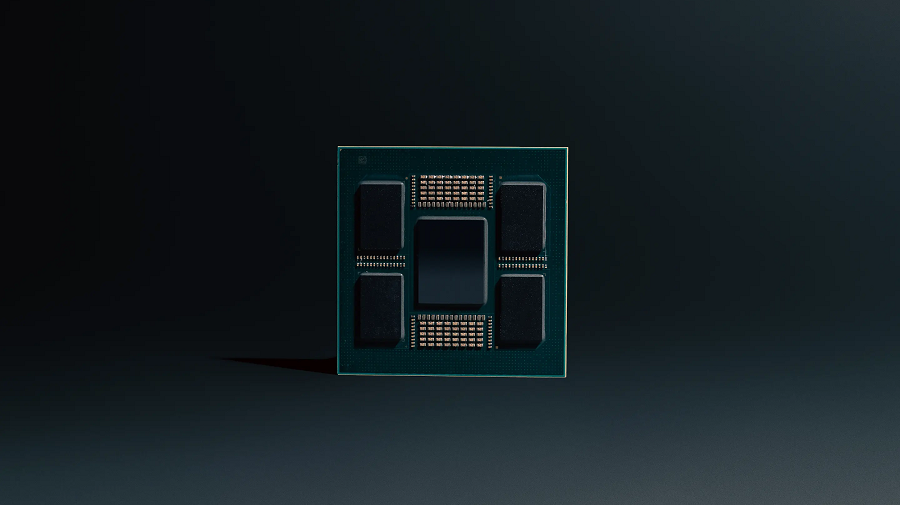
The autonomous fleet managed by Waymo now relies on a custom 5-nanometer computing module capable of performing 1,000 tera-operations per second. This processing power is what allows the vehicles to analyze data from cameras and lidars in real-time.
Think of this metric as the thinking speed of the car's computer. It needs this massive capacity to identify pedestrians, traffic lights, and obstacles in milliseconds. This is a significant jump from general-purpose chips, as it is specifically designed to handle the sensory overload of driving in busy cities without human intervention. 🚀
The company, owned by Alphabet, currently operates roughly 4,000 vehicles across 11 US cities. Their fleet is diverse, utilizing Jaguar I-Pace crossovers, Zeeker minivans, and Hyundai Ioniq 5 SUVs. Riders book these trips through a dedicated app or via Uber.
Most standard modern vehicles utilize far less processing power, relying on multiple distributed units for infotainment and basic safety systems. By consolidating this control into a single custom-designed module, Waymo reduces latency and power consumption compared to the complex, multi-component systems used in early experimental prototypes. ⚡
#Waymo #tech #robotaxi
SiliconANGLE
Subscribe
🤖
The autonomous fleet managed by Waymo now relies on a custom 5-nanometer computing module capable of performing 1,000 tera-operations per second. This processing power is what allows the vehicles to analyze data from cameras and lidars in real-time.
Think of this metric as the thinking speed of the car's computer. It needs this massive capacity to identify pedestrians, traffic lights, and obstacles in milliseconds. This is a significant jump from general-purpose chips, as it is specifically designed to handle the sensory overload of driving in busy cities without human intervention. 🚀
The company, owned by Alphabet, currently operates roughly 4,000 vehicles across 11 US cities. Their fleet is diverse, utilizing Jaguar I-Pace crossovers, Zeeker minivans, and Hyundai Ioniq 5 SUVs. Riders book these trips through a dedicated app or via Uber.
Most standard modern vehicles utilize far less processing power, relying on multiple distributed units for infotainment and basic safety systems. By consolidating this control into a single custom-designed module, Waymo reduces latency and power consumption compared to the complex, multi-component systems used in early experimental prototypes. ⚡
When hardware is built for a specific purpose, the software finally feels real.
#Waymo #tech #robotaxi
SiliconANGLE
Subscribe
👍1

Tesla Robotaxis Go Fully Driverless in Austin
🚕
Tesla has officially shifted to fully unsupervised operations in Austin, Texas, with 170 monitored rides completed without a human safety monitor behind the wheel.
The project now involves 54 unique vehicles operating across the city. Elon Musk previously hinted at this transition, and the fleet is rapidly expanding into Dallas and Houston, where roughly 30 driverless units are already active. 🏙️
Early users are reporting significant operational hurdles that mar the experience. The main complaints include:
📍 Wait times stretching over an hour for short, 2-mile trips.
📍 Persistent missed pickups where the car fails to locate the rider.
📍 Inaccurate drop-off locations, often leaving passengers blocks or even miles from their intended destination.
This puts Tesla in a direct race against Waymo, which is currently operating its paid service in San Francisco, Los Angeles, and Phoenix. While Waymo relies on purpose-built Zeekr vehicles for its fleet, Tesla is attempting to achieve similar results using its standard consumer cars. The gap between the promise of autonomy and daily reality is currently quite wide. 📉
#Tesla #Robotaxi #AutonomousVehicles
The Verge
Subscribe
🚕
Tesla has officially shifted to fully unsupervised operations in Austin, Texas, with 170 monitored rides completed without a human safety monitor behind the wheel.
The project now involves 54 unique vehicles operating across the city. Elon Musk previously hinted at this transition, and the fleet is rapidly expanding into Dallas and Houston, where roughly 30 driverless units are already active. 🏙️
Early users are reporting significant operational hurdles that mar the experience. The main complaints include:
📍 Wait times stretching over an hour for short, 2-mile trips.
📍 Persistent missed pickups where the car fails to locate the rider.
📍 Inaccurate drop-off locations, often leaving passengers blocks or even miles from their intended destination.
This puts Tesla in a direct race against Waymo, which is currently operating its paid service in San Francisco, Los Angeles, and Phoenix. While Waymo relies on purpose-built Zeekr vehicles for its fleet, Tesla is attempting to achieve similar results using its standard consumer cars. The gap between the promise of autonomy and daily reality is currently quite wide. 📉
Self-driving convenience still feels like a gamble.
#Tesla #Robotaxi #AutonomousVehicles
The Verge
Subscribe
❤1👍1
🚨 #BREAKING Tesla deploys Cybercab fleet in Austin
Tesla has officially put its Cybercab fleet on the streets of Austin, Texas, reaching a milestone of over 1,000,000 miles driven without human supervision.
These two-seater vehicles lack steering wheels, pedals, and mirrors. You can now spot them carrying paying passengers throughout the city, and the company has opened the platform to allow third-party fleet purchases.
⚠️ The rollout faces immediate scrutiny. The NHTSA has opened an audit into how these vehicles were certified as road-legal. This rapid growth is evident, as the fleet had traveled less than half of this distance just 6 weeks ago.
#Tesla #Cybercab #Robotaxi
CNBC Technology
Subscribe
Tesla has officially put its Cybercab fleet on the streets of Austin, Texas, reaching a milestone of over 1,000,000 miles driven without human supervision.
These two-seater vehicles lack steering wheels, pedals, and mirrors. You can now spot them carrying paying passengers throughout the city, and the company has opened the platform to allow third-party fleet purchases.
⚠️ The rollout faces immediate scrutiny. The NHTSA has opened an audit into how these vehicles were certified as road-legal. This rapid growth is evident, as the fleet had traveled less than half of this distance just 6 weeks ago.
Progress often picks up speed, but regulators are watching closely.
#Tesla #Cybercab #Robotaxi
CNBC Technology
Subscribe
⚠️ Tesla robotaxis face possible federal probe over school zone speeding
Autonomous robotaxis have been recorded speeding through active school zones. Federal safety regulators opened a review on October 9, 2026, to weigh a formal investigation into Tesla over the hazard, which involves an estimated fleet of 1,000 vehicles including Model Y cars and Cybercabs.
The review stems from a citizen petition submitted on September 23 that included video evidence and agency incident reports regarding vehicles running with the Automated Driving System engaged.
This is the third federal regulatory action targeting the company's driverless fleet in five weeks, following previous scrutiny over vehicle safety certifications and operating systems.
Regulators have 120 days from receiving the petition to decide whether to launch a formal defect investigation.
#Tesla #Robotaxi #NHTSA
Subscribe
😁1
Waymo robotaxis open to everyone in three cities
Anyone in San Antonio, San Diego, and Tampa can now hail a fully driverless car through the Waymo app. San Antonio International Airport is now part of the route. 🚀
Since launching earlier in the year, the service has welcomed hundreds of thousands of riders.
#Waymo ⚡ #Robotaxi ⚡ #Tech
Subscribe
Anyone in San Antonio, San Diego, and Tampa can now hail a fully driverless car through the Waymo app. San Antonio International Airport is now part of the route. 🚀
Since launching earlier in the year, the service has welcomed hundreds of thousands of riders.
#Waymo ⚡ #Robotaxi ⚡ #Tech
Subscribe
❤1
Driverless car rides launch at Las Vegas airport
Waymo started running driverless robotaxis to and from Terminal 1 at Harry Reid International Airport in Las Vegas for current local riders. 🚗🚀
Pickups and drop-offs happen in dedicated zones, with wider public access rolling out gradually over time. #Waymo ⚡ #LasVegas ⚡ #Robotaxi
Subscribe
Waymo started running driverless robotaxis to and from Terminal 1 at Harry Reid International Airport in Las Vegas for current local riders. 🚗🚀
Pickups and drop-offs happen in dedicated zones, with wider public access rolling out gradually over time. #Waymo ⚡ #LasVegas ⚡ #Robotaxi
Subscribe
🔥1